
Those narrow Clapham gardens behind the terraced houses deserve more than just a patch of grass. Whether you're working with a compact courtyard off Abbeville Road or blessed with one of those surprisingly deep plots near the Common, the right planting scheme transforms everything.
Response within 24 hours
Garden planting in Clapham requires understanding the unique microclimate created by densely packed Victorian housing. Clay soil dominates much of SW4, while the elevated sections near Clapham Common often surprise residents with their sandy patches. Years spent working these streets have taught us which plants thrive in the shadow of three-storey terraces and which flourish in those sun-trap corners that appear unexpectedly between extensions.
Creating layers works brilliantly in rectangular Clapham gardens. Start with structural evergreens against boundary walls - they mask the London stock brick whilst providing year-round interest. Mid-level shrubs break up sight lines between properties, essential when your neighbours' kitchen window overlooks your patio. Ground cover plants soften hard landscaping edges, particularly useful where original Victorian paths meet modern decking. This tiered approach maximizes limited square footage whilst ensuring seasonal colour from February through November.
Local knowledge matters when soil preparation begins. The remnants of old Anderson shelters still lurk beneath many Clapham lawns, creating drainage nightmares that inexperienced planters miss. Having worked gardens from Northcote Road to Wandsworth Common, we spot these quirks before costly mistakes happen.


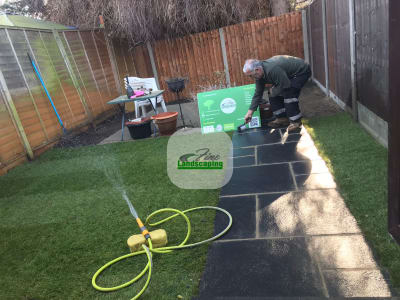
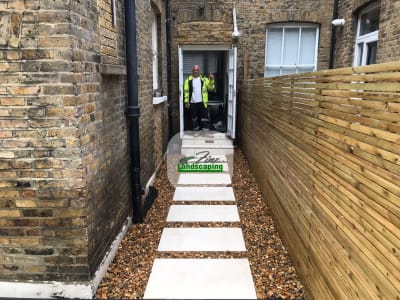

Rated 4.9/5 from over 280 verified reviews
Most Victorian terrace gardens in SW4 (roughly 6m x 12m) require £1,800-£3,500 for complete replanting, including soil improvement and plants. Larger double-fronted properties near Clapham Common often range £4,000-£7,000 depending on plant maturity and design complexity.
Absolutely - from the mansion blocks around Clapham South through to the conservation areas of SW11. Regular projects take us through Stockwell's garden squares and into Battersea's riverside developments. The SW4 and SW11 postcodes remain our core focus.
Initial impact happens immediately, though established beauty takes 12-18 months. Spring plantings (March-May) show dramatic results by September. Autumn schemes planted October-November bed in over winter, exploding into life the following spring.
Every plant carries a 10-year warranty when maintained according to our care guide. This covers replacement of any specimen that fails to establish, accounting for Clapham's occasionally harsh conditions. Written documentation accompanies each project, detailing specific care requirements for your garden's unique aspects.
Pollution-tolerant species prove essential near South Circular traffic. Pyracantha, Portuguese laurel, and photinia handle exhaust fumes remarkably well. For flowers, try hardy geraniums, Japanese anemones, and sedums - they shrug off urban grime whilst providing colour. Bamboo creates effective pollution barriers but choose clumping varieties to avoid nightmare spreading.
Get your free, no-obligation quote today.