
With summer entertaining season in full swing, June 2026 has seen a surge of Croydon homeowners looking to transform their outdoor spaces into functional living areas. Whether you're working with a compact balcony space in one of the new regeneration developments near George Street, or you have a generous Victorian terrace garden in South Croydon, choosing the right patio installation approach makes all the difference.
The challenge in Croydon is that no single approach fits every property type. The diversity here—from compact new-builds to sprawling Edwardian semis—means patio installation needs vary dramatically across CR0 postcodes.
Understanding Croydon's Unique Garden Landscape
Croydon presents some of the most varied property types we work with across South London. The rapid regeneration around the town centre has created a patchwork of high-rise apartment towers alongside Victorian and Edwardian houses, with extensive 1960s housing blocks filling the gaps.
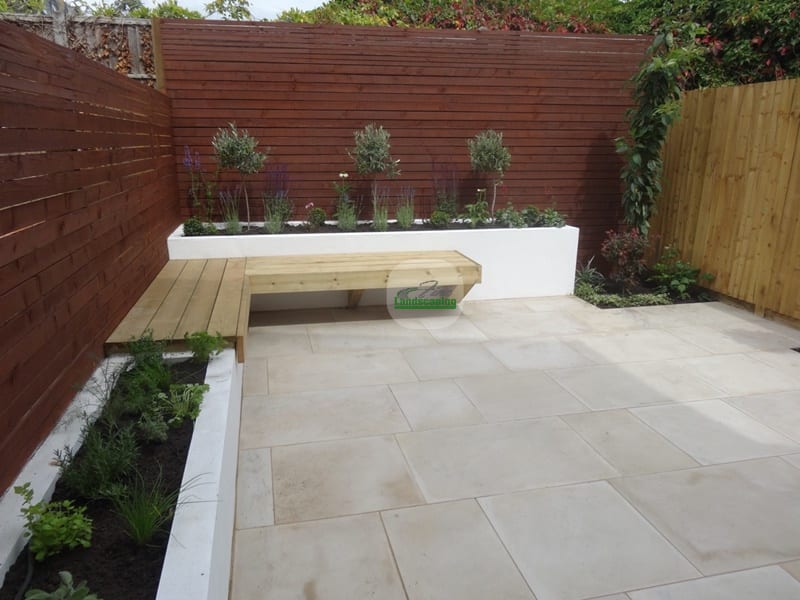
We recently completed a Patios in Croydon project on Park Lane that perfectly illustrates the local challenges. The ground-floor garden faced direct overlooking from new high-rise developments, and the original concrete patio was cracked and dated. We installed a raised composite deck area with integrated planters and privacy screening using pleached photinia, transforming what felt like a fishbowl into a secluded retreat.
The soil conditions here add another layer of complexity. Most of Croydon sits on London clay—that heavy, sticky, poorly-draining material that expands in winter and shrinks in summer. Near the Wandle headwaters, you'll find pockets of Thanet Sand which drains better but requires different foundation approaches.
Patio Material Options and Croydon-Specific Considerations
The material you choose needs to suit both your property type and the specific challenges of your location. Here's what we typically recommend for different Croydon scenarios:
Porcelain Paving for Modern Developments
For the new-build apartments and houses around the regeneration zone near Fairfield Halls, porcelain paving has become increasingly popular. It's low-maintenance, comes in contemporary finishes, and handles the poor drainage conditions common in these properties.
We're seeing sleek grey and charcoal tones dominating in 2026, creating a seamless indoor-outdoor transition through bi-fold doors. Porcelain also handles the overlooking issue better than traditional materials—reflective surfaces can actually help bounce light into what are often quite shaded ground-floor gardens.
Natural Stone for Period Properties
If you're in one of the Victorian terraces around South Croydon or the conservation areas near Croydon Minster, natural stone usually works better aesthetically. Indian sandstone remains the most cost-effective option, but we're installing more Yorkstone and limestone for homeowners wanting something more authentic.
The Church Street Conservation Area has specific requirements about maintaining the character of outdoor spaces. While patios aren't typically subject to planning permission, if your property is listed or in a conservation area, it's worth checking with the London Borough of Croydon before proceeding with major changes.
Composite Decking for Problem Gardens
For gardens with particularly challenging London clay or where the ground level needs raising (common in areas prone to water pooling), composite decking often provides the most practical solution. It's especially effective for the 1960s housing blocks where concrete back yards need modernising without extensive excavation.
| Material | Cost per m² (Installed) | Best For | Drainage |
|---|---|---|---|
| Indian Sandstone | £75-£95 | Victorian/Edwardian gardens | Moderate |
| Porcelain Paving | £90-£130 | Modern new-builds | Excellent |
| Yorkstone | £110-£150 | Conservation areas | Good |
| Composite Decking | £100-£140 | Problem drainage areas | Excellent |
| Concrete Paving | £50-£70 | Budget-conscious projects | Moderate |
Realistic Cost Expectations for Croydon Patio Projects
CR0 homeowners often ask what they should budget for a typical patio installation. The honest answer is that it varies enormously depending on your specific situation.
For a straightforward 20m² patio in an Edwardian semi with reasonable access and decent existing levels, you're looking at £1,500-£2,600 for Indian sandstone, fully installed. That includes excavation, proper MOT Type 1 sub-base, sharp sand bedding, and pointing.
However, if you're in one of the new-build developments with terrible subsoil, those costs can increase by 30-40% simply because of the additional groundwork required. We recently quoted for a property near Surrey Street Market where we had to remove 50cm of builder's rubble before we could even start the proper foundation work.
Hidden Costs to Consider
Access is a significant factor in Croydon. Many Victorian terraces have long, narrow side returns, and high-rise developments often have restricted access times and requirements for protecting common areas. These logistical challenges add to project costs.
The London clay also means proper drainage solutions aren't optional—they're essential. We always include a slight fall away from the property (minimum 1:80 gradient) and proper drainage channels or soakaways. In some cases, especially near the town centre where surface water drainage is already stressed, you may need to consider permeable paving options.
We always recommend getting the groundwork right first. In Croydon, that means dealing with the clay properly—cutting corners on sub-base depth or drainage will come back to haunt you within two winters.
Design Ideas for Different Croydon Property Types
Balcony Spaces in High-Rise Developments
For apartment dwellers along South End or High Street, balcony transformations are increasingly popular. Porcelain pavers on pedestals work brilliantly here—they're lightweight, create a level surface over existing waterproofing, and allow drainage to flow freely underneath.
We've installed several balcony gardens this June combining porcelain paving with artificial grass sections, integrated LED lighting, and built-in planters. The key is keeping weight down while maximising functionality in compact spaces.
Victorian and Edwardian Garden Makeovers
The generous gardens in South Croydon and around Park Lane offer more creative possibilities. We're seeing homeowners move away from the traditional lawn-and-border layout toward multi-functional zones with dedicated patio areas for dining, lounging, and even outdoor cooking stations.
A popular approach is creating a main patio immediately outside the house (typically 20-30m²) with a secondary seating area at the garden's far end, connected by stepping stones or a pathway. This makes use of the full garden depth while creating distinct zones.
Front Garden Patio Conversions
Many Croydon homeowners have already converted front gardens to parking, but we're increasingly installing combination designs that include a small patio area near the front door. This creates a welcoming entrance while maintaining parking functionality.
Just be aware that if you're installing over 5m² of impermeable paving in a front garden, you need either permeable materials or proper drainage to an approved soakaway under planning regulations.
Navigating Local Regulations and Conservation Areas
Most patio installations in Croydon don't require planning permission—they fall under permitted development rights. However, there are exceptions you should know about.
If your property is in the Central Croydon Conservation Area or Church Street Conservation Area, or if it's a listed building, you should check with the London Borough of Croydon planning department before starting major work. Conservation officers are generally supportive of sympathetic improvements, but they want to ensure materials and designs suit the area's character.
For front gardens visible from the street, the rules around drainage and permeability are stricter. The council has been clamping down on poorly-drained front paving that contributes to surface water flooding—a growing issue in Croydon's increasingly built-up centre.
Dealing with Croydon's Common Garden Challenges
Overlooking and Privacy
The rapid regeneration around the town centre has created serious privacy issues for existing ground-floor gardens. New high-rises tower over Victorian and Edwardian properties that were built when two storeys was the norm.
We address this through integrated design—combining patio installation with strategic privacy screening. The Park Lane project we mentioned earlier used 1.8m contemporary cedar slatted panels along one boundary, with raised planters featuring pleached photinia providing softer screening elsewhere. This created multiple privacy layers without making the garden feel boxed in.
Poor Drainage in New-Build Gardens
Gardens in Croydon's new developments often sit on compacted subsoil with terrible drainage. Before installing any patio in these properties, we excavate to check what's underneath. More often than not, we find builder's rubble, broken bricks, and compressed clay.
The solution is thorough: remove the poor material, install a proper granular sub-base (usually 150-200mm of MOT Type 1), compact it properly, and ensure adequate falls and drainage channels. It adds cost upfront but prevents the sinking, pooling, and cracking that plague cheap installations.
Access Difficulties
Getting materials to back gardens in Croydon requires planning. Victorian terraces often have narrow side access, and many 1960s blocks have no direct access at all—materials need to go through the property. High-rise developments may require booking goods lifts weeks in advance.
When you get a free quote, we'll visit the site to assess access and build any additional time or cost into the estimate. It's better to know upfront than face surprises mid-project.
The Installation Process: What to Expect
A typical patio installation in Croydon takes 3-5 days for a standard 20-25m² area, though this can extend for larger projects or those with significant groundwork requirements.
Day 1-2: Excavation and groundwork. We remove existing surfaces, deal with any drainage issues, and install the sub-base. On London clay, this stage is critical—rushing it leads to problems later.
Day 3-4: Paving installation. We lay the bedding layer, place the paving with proper joints, and ensure everything's level with appropriate falls for drainage. For larger projects, this may take longer.
Day 5: Pointing, cleanup, and final checks. We complete all jointing, ensure drainage is working properly, and leave the site clean.
Weather affects timing significantly. June is generally ideal for patio installation—warm, dry weather helps materials settle and cure properly. However, summer downpours can delay work on clay soils.
Maintenance and Long-Term Care
The London clay and Croydon's urban environment create specific maintenance needs. Regular sweeping and occasional pressure washing keep patios looking good, but watch for moss and algae growth in shaded areas—common in gardens overshadowed by new developments.
For natural stone, we recommend resealing every 2-3 years to protect against staining and weathering. Porcelain requires minimal maintenance but benefits from occasional deep cleaning to remove urban grime and pollution deposits.
Check pointing annually, especially after harsh winters. The clay soil movement can work joints loose over time, and addressing small repairs promptly prevents larger problems developing.
Ready to Transform Your Croydon Garden?
Whether you're in a high-rise apartment near the town centre or a Victorian terrace in South Croydon, we'll design and install a patio that works for your specific property and challenges. Get a detailed, no-obligation quote that includes all groundwork, materials, and installation.
Frequently Asked Questions
How much does a typical patio cost in Croydon?
A standard 20m² patio in Croydon typically costs £1,500-£2,600 for Indian sandstone or £1,800-£2,800 for porcelain paving, fully installed. Costs can be 30-40% higher in new-build developments with poor subsoil requiring extensive groundwork. Access difficulties in Victorian terraces or high-rise buildings may also add to the overall project cost. For an accurate estimate tailored to your property's specific challenges, we recommend a site visit to assess drainage, access, and existing ground conditions.
Do I need planning permission for a patio in Croydon?
Most patio installations in Croydon fall under permitted development rights and don't require planning permission. However, if your property is in a conservation area like the Central Croydon or Church Street Conservation Areas, or if it's a listed building, you should check with the London Borough of Croydon before proceeding. For front gardens, you must ensure proper drainage provision for impermeable surfaces over 5m² to comply with planning regulations designed to prevent surface water flooding.
How long does patio installation take in Croydon?
A typical 20-25m² patio installation takes 3-5 days in Croydon, though this can extend for larger projects or properties with challenging access or poor subsoil. New-build developments often require additional groundwork days to remove builder's rubble and install proper drainage, while high-rise apartments may need extra time for material logistics. Weather also affects timing—summer rain can delay work on clay soils, so building in a few buffer days for June/July projects is wise.
What's the best patio material for Croydon's clay soil?
For Croydon's heavy London clay, porcelain paving and composite decking perform best as they're less affected by ground movement caused by clay expansion and shrinkage. Natural stone like Indian sandstone or Yorkstone also works well provided you install a substantial sub-base (minimum 150mm MOT Type 1) and ensure proper drainage with falls away from the property. The key isn't the surface material itself but the quality of groundwork underneath—proper preparation prevents the cracking and sinking common in poorly-installed patios on clay.
How can I create privacy for my patio with overlooking from high-rises?
Overlooking from Croydon's new high-rise developments requires a layered approach combining different privacy solutions. We typically install 1.8m screening (the maximum height allowed without planning permission) using contemporary slatted panels, living walls, or pleached trees to create vertical barriers. Raised planters add both screening and visual interest while pergolas with climbing plants or retractable canopies provide overhead privacy. Strategic planting at multiple heights creates natural screening that feels less claustrophobic than solid fencing while still blocking sightlines from above.