
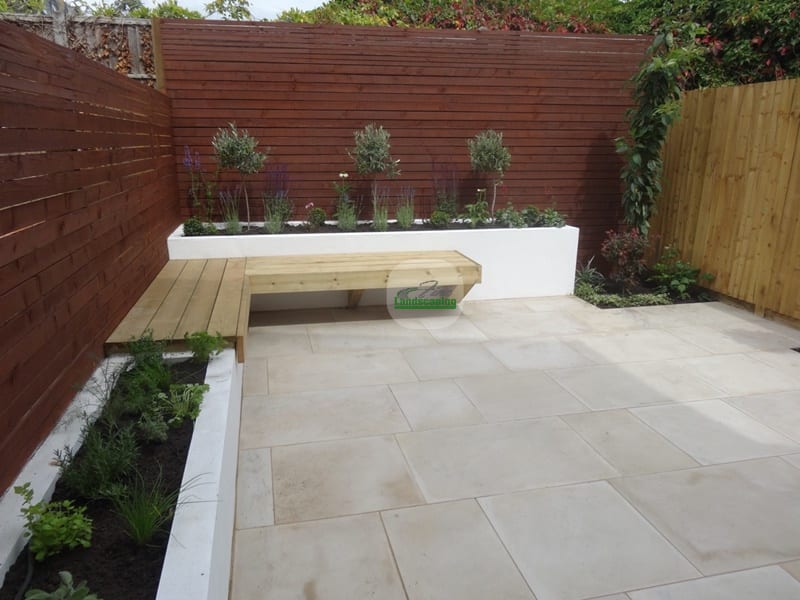
Thinking about installing a new patio this spring? You're not alone. April is one of the busiest months for patio installations across South London and Surrey, with homeowners eager to create beautiful outdoor spaces ready for summer.
But the big question everyone asks is: how much will it actually cost? In this guide, we'll break down exactly what you can expect to pay for a patio in 2026, from materials to labour, and everything in between.
Quick Pricing Overview
Before we dive into the details, here's a snapshot of typical patio costs across South London and Surrey. These prices reflect current 2026 rates including materials, labour, and basic ground preparation.
| Service/Material | Price per m² | Typical Total for Average Project (30m²) |
|---|---|---|
| Indian Sandstone | £85-£120 | £2,550-£3,600 |
| Porcelain Paving | £95-£150 | £2,850-£4,500 |
| Natural Stone (Premium) | £110-£180 | £3,300-£5,400 |
| Concrete Paving Slabs | £65-£90 | £1,950-£2,700 |
| Block Paving | £75-£105 | £2,250-£3,150 |
| Pattern Imprinted Concrete | £80-£110 | £2,400-£3,300 |
A standard 30m² patio in South London typically costs between £2,400 and £4,500 fully installed, depending on materials and site conditions.
What Affects the Cost of Your Patio?
No two patio projects are identical, and several factors can significantly impact the final price. Understanding these variables will help you budget accurately and avoid surprises.
Patio Size
Size is the most obvious cost factor. A compact 15m² patio in Norbury might cost £1,300-£2,000, while a generous 50m² entertaining space in Dulwich could run £4,000-£7,500.
Interestingly, larger patios often have a lower cost per square metre because fixed costs (equipment hire, travel, waste disposal) are spread across more area. We've seen the per-metre price drop by 10-15% when comparing a 20m² project to a 50m² one.
Material Choice
Your material selection makes a massive difference. Budget-friendly concrete slabs start around £65 per m², while premium limestone or granite can exceed £180 per m².
Porcelain paving has surged in popularity across Croydon and Bromley lately. It's more expensive upfront (£95-£150 per m²) but requires virtually no maintenance and looks immaculate for decades. We find many clients consider it worth the investment.
Site Access
Can we get a van to your back garden? If not, costs increase. Restricted access in areas like Streatham or Crystal Palace, where materials must be hand-carried through the house or down narrow side passages, can add £300-£800 to labour costs.
Poor access also affects machinery. Without space for a mini digger or whacker plate, groundwork takes considerably longer.
Ground Preparation
The condition of your existing ground is crucial. A flat lawn with good drainage needs minimal prep. But if you're replacing an old patio, removing tree roots, or dealing with slopes, expect additional costs.
Excavation and sub-base installation typically add £15-£30 per m² depending on depth and ground conditions. In clay-heavy areas around Mitcham and Sutton, we sometimes need to dig deeper to ensure stability.
We always recommend getting the groundwork right first — it's the foundation everything else depends on. Skimping here causes problems down the line.
Drainage Requirements
Proper drainage isn't optional in the UK climate. Your patio must slope away from the house (minimum 1:80 gradient) to prevent water pooling or damp issues.
Most projects include basic drainage provision within the standard price. However, if you need soakaways, French drains, or connection to existing drainage systems, budget an extra £400-£1,200. Our drainage services can assess your specific needs.
Detailed Cost Breakdown
Let's break down exactly where your money goes on a typical patio installation. These figures reflect realistic South London and Surrey pricing for April 2026.
Labour Costs
Labour typically accounts for 35-45% of your total project cost. A two-person team from a reputable company like Fine Landscaping charges £450-£600 per day.
A standard 30m² patio takes 4-6 days to complete properly, including excavation, sub-base preparation, laying, and finishing. That's £1,800-£3,600 in labour alone.
Rush jobs cost more. If you need work completed quickly for an event or to catch good weather, expect a 15-20% premium.
Materials
Material costs vary enormously based on your choices:
- Budget concrete slabs: £18-£25 per m² (materials only)
- Indian sandstone: £28-£45 per m²
- Porcelain paving: £35-£70 per m²
- Premium natural stone: £50-£95 per m²
- Block paving: £22-£38 per m²
Don't forget the sub-base. You'll need MOT Type 1 aggregate (£30-£40 per tonne) and sharp sand (£35-£50 per tonne). A 30m² patio typically requires 3-4 tonnes of each.
Additional Materials
Several smaller items add up:
- Cement and jointing compound: £80-£150
- Edge restraints: £60-£120
- Membrane/weed barrier: £30-£60
- Sealant (optional): £100-£250 for 30m²
Skip Hire and Waste Removal
Excavating and removing old materials creates waste. Skip hire in South London costs £180-£320 for a standard 6-yard skip, which handles most medium-sized patio projects.
In areas with parking restrictions like Penge or Beckenham, you might need a skip permit (£35-£60) and possibly traffic management if placed on the road.
Optional Extras
Many clients enhance their patio with additional features:
- Steps: £400-£900 depending on size and materials
- Dwarf walls or borders: £120-£180 per linear metre
- Lighting: £300-£1,200 for integrated LED systems
- Retaining walls: £150-£280 per linear metre
- Pergola or shade structure: £1,200-£4,500
We often combine patio services with garden walls or fencing for a complete outdoor transformation.
Installing your patio in April or May means the ground is workable after winter but not yet baked hard by summer heat. We can achieve better compaction, and you'll have the full season to enjoy your new space. Plus, plant borders establish beautifully when planted alongside spring patio work.
Material Comparison: What's Best for Your Budget?
Choosing the right material balances aesthetics, durability, and cost. Here's how popular options stack up for South London homes.
| Material | Cost per m² | Lifespan | Maintenance | Best For |
|---|---|---|---|---|
| Concrete Slabs | £65-£90 | 15-20 years | Low | Budget-conscious projects |
| Indian Sandstone | £85-£120 | 25-30 years | Medium | Natural look, good value |
| Porcelain | £95-£150 | 30+ years | Very low | Modern, low-maintenance |
| Limestone/Granite | £110-£180 | 40+ years | Low-medium | Premium, timeless appeal |
| Block Paving | £75-£105 | 20-25 years | Medium | Traditional character homes |
Indian Sandstone: The Popular Middle Ground
Indian sandstone dominates patio installations across Purley, Sydenham, and beyond for good reason. It offers natural beauty at a reasonable price point (£85-£120 per m²), and every slab has unique colour variation.
Expect to pay towards the higher end for premium grades with consistent thickness and less chipping. The investment pays off in easier installation and better long-term appearance.
Porcelain: Worth the Premium?
Porcelain paving costs 15-30% more than natural stone but delivers exceptional performance. It's stain-resistant, doesn't fade, requires no sealing, and stays looking new with just occasional washing.
We've installed hundreds of porcelain patios around South London, and clients consistently report they'd choose it again. It's particularly popular for contemporary homes in areas like Crystal Palace and Dulwich.
How to Save Money on Your Patio
Want to reduce costs without compromising quality? Here are proven strategies we've seen work for homeowners across Surrey and South London.
Time It Right
While spring is ideal for installation, booking during winter (for spring installation) sometimes secures 5-10% discounts as landscapers plan their schedules. We can't promise this, but it's worth asking when you get a free quote.
Keep the Shape Simple
Rectangular or square patios cost less than complex curves or multi-level designs. Intricate shapes increase material waste and labour time. A simple design can save £400-£800 on a typical project.
Do Some Prep Yourself
If you're handy, clearing the area, removing plants, and disposing of furniture reduces our setup time. Some clients save £200-£400 this way. Just ensure you don't disturb underground services.
However, we don't recommend DIY excavation or sub-base work unless you're experienced. Poor groundwork causes expensive failures later.
Choose Local Materials
Imported stone travels thousands of miles, increasing costs and environmental impact. Locally-sourced materials might cost 10-15% less and often better suit British weather conditions.
Consider Future Maintenance
The cheapest upfront option isn't always the best value. Concrete slabs might save £600 initially, but porcelain's zero-maintenance requirements and longer lifespan offer better lifetime value. Calculate total cost of ownership, not just installation.
Spending an extra 15-20% on quality materials and professional installation typically saves money long-term through reduced maintenance, fewer repairs, and extended lifespan.
Bundle Projects
If you're also considering new fencing, artificial grass, or garden landscaping, bundling work can reduce overall costs. Fixed expenses like mobilisation, skip hire, and equipment get shared across projects.
Getting an Accurate Quote
Online estimates are helpful for budgeting, but nothing beats a proper site visit. Here's what happens when you request a quote from Fine Landscaping.
The Site Visit
We'll visit your property at a time that suits you. During this 30-45 minute consultation, we'll:
- Measure the proposed patio area accurately
- Assess ground conditions and existing drainage
- Check access for materials and equipment
- Discuss your material preferences and design ideas
- Identify any complications (slopes, services, trees)
- Show you samples if you're deciding between materials
This visit is completely free and comes with no obligation. We serve all of South London and Surrey, from Bromley to Sutton, Norbury to Beckenham.
The Written Quotation
Within 48 hours, you'll receive a detailed written quote breaking down:
- Materials costs (itemised by type and quantity)
- Labour costs
- Waste removal
- Any special requirements (drainage, steps, etc.)
- Timeline for completion
- Payment terms
Our quotes are fixed-price, not estimates. Unless you change the scope of work, the price won't increase. This protects you from unexpected bills.
Questions to Ask Any Contractor
When comparing quotes, make sure you're comparing like-for-like. Ask potential contractors:
- Is the sub-base depth adequate for the intended use?
- What exactly is included (is edging/pointing extra)?
- How is drainage handled?
- What guarantee or warranty is offered?
- Are they insured for public and employer's liability?
- Can they provide recent customer references?
The cheapest quote often means corners will be cut. We've repaired countless patios where inadequate sub-base or poor drainage caused failure within 2-3 years. Proper installation costs more initially but lasts decades.
Why Spring Is Perfect for Patio Installation
If you've been thinking about a new patio, now is genuinely the ideal time to move forward. Ground conditions in April are perfect — not waterlogged from winter rain, but not yet baked hard by summer heat.
Installation in spring means your patio has months to settle before winter freeze-thaw cycles. Any minor settling that occurs happens during gentle summer weather, not harsh winter conditions.
Plus, you'll have the entire summer and autumn to enjoy your new outdoor space. There's nothing quite like hosting your first BBQ on a patio you've watched transform from bare earth to beautiful entertaining area.
Material availability is also better in spring. By July and August, popular stone colours and sizes can sell out as everyone rushes to complete summer projects.
As of April 2026, our lead time for patio installations is 2-3 weeks for most projects. This extends to 4-5 weeks during peak summer months (June-August), so booking now guarantees you'll be ready for summer entertaining.
Ready to Transform Your Outdoor Space?
Get a free, no-obligation quote for your patio project. We'll visit your property, discuss your requirements, and provide a detailed fixed-price quotation within 48 hours.
Serving all of South London and Surrey, from Norbury to Beckenham, Croydon to Dulwich.
Get Free QuoteFrequently Asked Questions
How much does a 20m² patio cost in South London?
A 20m² patio in South London typically costs between £1,600 and £3,200 depending on materials and site conditions. Budget concrete slabs come in around £1,600-£2,000, Indian sandstone £2,000-£2,600, and premium porcelain or natural stone £2,400-£3,200. These prices include professional installation, sub-base preparation, and basic drainage.
How long does it take to install a patio?
Most standard patio installations take 4-6 working days for a two-person professional team. This includes excavation, sub-base installation, laying slabs or pavers, pointing, and cleanup. Larger patios (40m²+) may take 7-10 days, while small courtyard patios (under 15m²) can sometimes be completed in 2-3 days. Weather permitting, of course!
What's the cheapest patio material?
Concrete paving slabs are the most budget-friendly option at £65-£90 per m² installed. While they lack the character of natural stone, modern concrete slabs come in various colours and textures that mimic more expensive materials. They're durable, low-maintenance, and perfectly suitable for most residential patios when properly installed on a good sub-base.
Do I need planning permission for a patio?
Most residential patios don't require planning permission as they fall under permitted development rights. However, you must ensure proper drainage and can't exceed certain limits on total hard surfacing in your garden. If your property is listed or in a conservation area (common in parts of Dulwich, Crystal Palace, and Bromley), additional restrictions may apply and you should check with your local planning authority.
Is porcelain paving better than natural stone?
Porcelain and natural stone each have advantages. Porcelain is more stain-resistant, requires no sealing, and maintains its colour indefinitely, making it ideal for low-maintenance modern gardens. Natural stone offers organic character with unique variations in every slab and develops a weathered patina that many find appealing. Porcelain costs 10-25% more upfront but requires virtually zero maintenance, while natural stone may need occasional sealing and cleaning.