
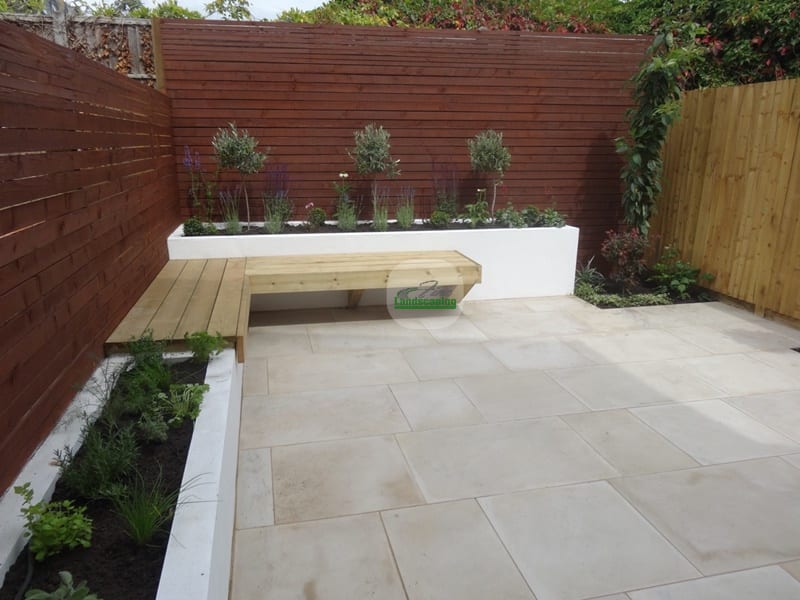
With summer entertaining in full swing this June, Streatham homeowners are making the most of their outdoor spaces. Whether you're in one of the generous Victorian gardens along Streatham Common North or a 1930s semi off Greyhound Lane, a well-designed patio transforms how you use your garden during these long summer evenings.
But patio installation in SW16 comes with unique considerations - from the challenging London clay soil that dominates much of the area to conservation area restrictions near Streatham Common. We've been installing Patios in Streatham for years, and the local conditions here require specific approaches that don't apply elsewhere.
Understanding Streatham's Garden Landscape and Soil Conditions
Streatham's geography creates distinct challenges depending on where you live. The heavy London clay that underlies most of the area becomes increasingly sandy as you approach Streatham Common, where glacial sand and gravel deposits sit above the clay layer. This affects everything from drainage to foundation requirements.
Properties along Streatham Common North typically have the most generous rear gardens, though many Victorian and Edwardian houses have been converted to flats with divided garden ownership. We recently completed a shared garden redesign for a six-flat converted Victorian house on Leigham Court Road, where creating defined zones with individual patio areas allowed each flat to have their own outdoor space while maintaining communal seating areas.
The 1930s semis in quieter side streets generally have more straightforward single ownership, making patio planning simpler. Modern developments near Streatham Hub often come with smaller gardens but typically benefit from better initial drainage infrastructure.
Patio Costs in Streatham: What You'll Actually Pay in 2026
Pricing in SW16 reflects both London rates and the specific ground conditions we encounter here. The clay soil means more groundwork preparation, which adds to overall costs compared to areas with better natural drainage.
| Patio Material | Cost per m² | Best For | Local Notes |
|---|---|---|---|
| Indian Sandstone | £90-£140 | Traditional Victorian/Edwardian properties | Popular along Streatham Common North |
| Porcelain Paving | £110-£170 | Modern homes near Streatham Hub | Low maintenance, handles clay movement well |
| Limestone | £85-£130 | Conservation area properties | May require approval in Conservation Areas |
| Concrete Paving Slabs | £60-£95 | Budget-conscious projects | Good option for divided flat gardens |
| Resin Bound | £95-£145 | Contemporary designs | Excellent for areas with fox digging issues |
Additional costs specific to Streatham include extra drainage work for clay soil (£400-£800), shared access arrangements if you're in a converted property (scaffolding or access fees £200-£500), and potential planning applications for conservation areas (£206 for Lambeth Council householder application).
Conservation Area Considerations for Streatham Homeowners
Three conservation areas affect patio installation in Streatham: Streatham Common Conservation Area, Streatham Lodge Conservation Area, and Streatham High Road Conservation Area. If your property falls within these zones, you'll need to consider materials carefully.
The London Borough of Lambeth is generally supportive of rear garden improvements that don't affect the street scene. However, if your patio is visible from Streatham Common or other public viewpoints, you may need approval for materials and design. We always recommend checking with the planning department before starting work.
In conservation areas, we typically suggest natural stone materials like Indian sandstone or limestone rather than modern alternatives. These complement the Victorian and Edwardian character without requiring additional permissions.
Front gardens along Streatham High Road and the A23 corridor face additional challenges from traffic pollution and vibration. While not directly affecting rear patios, these properties often benefit from creating enhanced rear outdoor spaces to compensate for unusable front areas.
Design Ideas for Different Streatham Property Types
Victorian and Edwardian Gardens (Streatham Common North)
These generous gardens suit large entertaining patios that take advantage of the south-facing orientation most properties enjoy. Consider extending 4-5 metres from the house with sufficient width for dining furniture and seating areas.
The traditional approach uses buff or autumn brown Indian sandstone in random layouts, which complements the period architecture. Add subtle lighting to extend summer evening use - particularly relevant this June when garden parties are in full swing.
Converted Properties with Shared Gardens
This is where we see the most creative solutions. The Leigham Court Road project mentioned earlier used permeable gravel paths to connect individual patio zones for each flat. Each ground floor flat received a 3x3m private patio space, while upper floor residents gained access to communal seating areas.
Defined boundaries using low brick walls or raised beds help maintain privacy without completely dividing the space. This approach works particularly well for the many converted properties between St Leonard's Church and Streatham Common.
1930s Semis and Smaller Modern Gardens
Properties in quieter side streets off Greyhound Lane typically have 6-8 metre deep gardens. Here, proportion is key - a patio shouldn't dominate the entire space. We usually recommend 12-16m² patios that leave room for planting and lawn.
Porcelain paving works exceptionally well here, offering contemporary aesthetics with low maintenance requirements. The material handles the clay soil movement better than natural stone, reducing long-term maintenance issues.
Tackling Streatham's Specific Garden Challenges
The Clay Soil Problem
Heavy London clay dominates Streatham gardens, particularly away from the common. This soil holds water in winter and cracks in summer, creating movement that can disrupt patio surfaces. Our approach includes excavating deeper than standard (200-250mm rather than 150mm), installing a geotextile membrane to prevent clay migration, and ensuring proper falls for drainage.
Properties on Streatham Common North and nearby streets benefit from that sandy gravel layer underneath. Once we break through the top clay layer, drainage improves significantly. This can save £300-£500 on drainage solutions compared to properties further south where clay extends much deeper.
Fox Damage Prevention
Fox digging is a genuine issue throughout SW16. These urban foxes disturb newly laid patios by digging around edges and underneath. We combat this by extending the sub-base 30cm beyond the patio perimeter and ensuring all edges are properly haunched with concrete. Some clients near The Rookery have opted for resin-bound surfaces specifically because foxes can't dig through them.
Divided Garden Ownership Issues
Many Victorian conversions create situations where garden access crosses another flat's designated space, or where drainage from one patio affects another flat's area. We always request sight of the lease or freehold documents to understand responsibilities before starting work.
In one recent project, we needed written permission from all six leaseholders before installing a shared drainage system that connected new patios to the main drainage point. Building this consensus took longer than the actual installation, but it prevented future disputes.
The Installation Process: What Streatham Homeowners Should Expect
A typical patio installation in Streatham takes 3-5 days depending on size and ground conditions. Here's what actually happens:
- Site Survey and Groundwork (Day 1): We excavate to the required depth, assessing clay conditions and any unexpected drainage issues. Properties near Streatham Ice and Leisure Centre sometimes encounter higher water tables requiring additional drainage.
- Sub-base and Drainage (Days 1-2): Installing and compacting the MOT Type 1 sub-base, with particular attention to achieving proper falls (minimum 1:80) away from the property. Clay areas require extra compaction passes.
- Laying and Cutting (Days 2-4): Setting out the paving pattern and laying slabs or preparing for resin-bound surfaces. Complex cuts around bay windows common in Victorian properties add time.
- Pointing and Finishing (Days 4-5): Jointing with appropriate materials (we prefer resin-based pointing for clay soil areas as it flexes slightly) and final cleaning.
Access can be tricky in Streatham's terraced streets. Most materials come through the house unless you have side access. We protect floors with heavy-duty coverings and work in smaller batches to minimise disruption.
Ongoing Maintenance for Streatham Patios
The clay soil and London plane trees that characterise Streatham gardens create specific maintenance requirements. Leaf debris from mature trees along Streatham Common North can stain natural stone if left to decompose, so autumn clearing is essential.
Annual re-pointing checks catch any movement early. In clay soil areas, you may see minor settlement in the first 12-18 months as the sub-base fully compacts - this is normal and easily addressed with localised repairs.
Traffic pollution from the A23 can deposit a grimy film on patios in properties near Streatham High Road. Annual pressure washing (at low pressure to avoid damaging pointing) keeps surfaces looking fresh. We offer maintenance services for clients who prefer professional upkeep.
Why Work with Local Specialists?
Understanding Streatham's specific conditions makes a tangible difference to project outcomes. We know which streets have better drainage, we've navigated Lambeth Council's conservation area requirements dozens of times, and we've developed techniques specifically for dealing with the clay soil transitions near Streatham Common.
We're based in nearby Norbury and work throughout SW16, Streatham Hill, and Mitcham. This local presence means we're available for aftercare, we understand the area's challenges intimately, and we have established relationships with local suppliers for better material pricing. For more details on what we can do for your garden, check out our complete Streatham patio services or our complete guide for South London.
We installed over 40 patios in Streatham last year alone. From small courtyard spaces in converted flats to large entertaining areas overlooking Streatham Common, no two projects are identical - but they all benefit from understanding local conditions.
Ready to Transform Your Streatham Garden?
Get a free, no-obligation quote tailored to your specific property and requirements. We'll survey your garden, assess soil conditions, and provide a detailed breakdown of costs and timeline.
Get Free QuoteFrequently Asked Questions
How much does a typical patio cost in Streatham?
A standard 20-25m² patio in Streatham typically costs £2,800-£4,500 depending on materials and ground conditions. Indian sandstone averages £90-£140 per m², while porcelain paving runs £110-£170 per m². Properties with heavy clay soil away from Streatham Common require more groundwork preparation, adding 10-15% to costs compared to areas with better natural drainage near the common.
Do I need planning permission for a patio in Streatham's conservation areas?
Rear garden patios in Streatham's conservation areas (including Streatham Common, Streatham Lodge, and Streatham High Road Conservation Areas) typically don't require planning permission as they're considered permitted development. However, if your patio is visible from public viewpoints or you're installing structures over 30cm high, you should check with Lambeth Council's planning department. Material choices should complement the conservation area character.
How long does patio installation take in SW16?
Most Streatham patio projects take 3-5 working days from start to finish. Clay soil conditions can add an extra day for proper groundwork and drainage installation. Larger patios over 30m² or complex designs with multiple levels may take 6-7 days. Weather affects timing - we need at least two dry days for laying and initial setting, making June and early summer ideal for installation.
What patio material works best with Streatham's clay soil?
Porcelain paving performs exceptionally well in Streatham's clay soil conditions as it's less affected by ground movement than natural stone. Indian sandstone also works well when installed with proper sub-base depth (200-250mm) and flexible resin pointing. Resin-bound surfaces offer excellent flexibility for clay movement and prevent fox digging issues. The key is proper groundwork rather than material choice - adequate sub-base and drainage matter more than the paving itself.
Can you install a patio if my Victorian house is divided into flats?
Yes, we regularly work with converted properties throughout Streatham, particularly along Streatham Common North and Leigham Court Road. You'll need to check your lease for garden use rights and may require permission from other leaseholders, especially if drainage or access crosses shared areas. We recently completed a six-flat project on Leigham Court Road creating individual patio zones while maintaining communal spaces - this type of design prevents future disputes while giving each flat private outdoor space.