
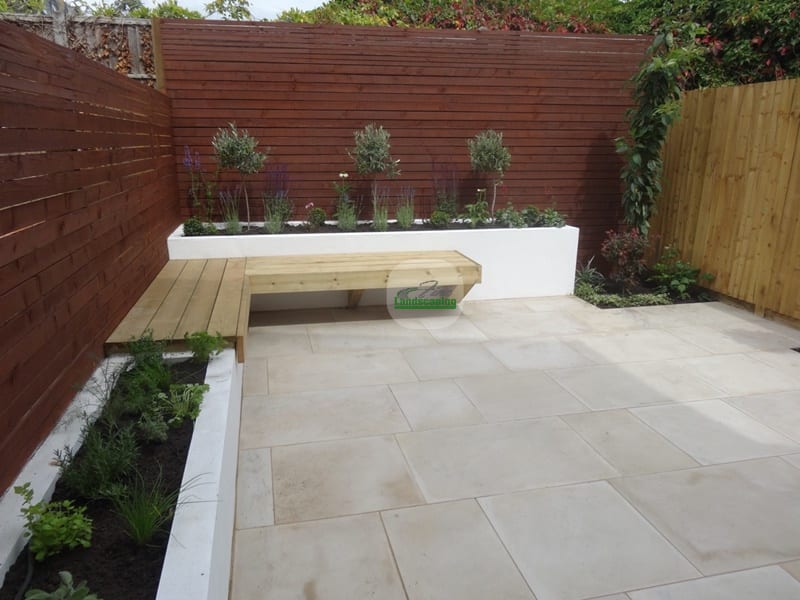
As Championship fortnight approaches and Wimbledon's gardens come alive for summer entertaining, there's no better time to consider how a thoughtfully designed patio can transform your SW19 outdoor space. Whether you're overlooking the Common from a Victorian villa on Ridgway or maximising a compact town centre garden, the right patio creates that perfect extension of your living space for the long summer evenings ahead.
We've been designing and installing Patios in Wimbledon for over a decade, and we've learned that homes here require something special. The area's premium status, influenced by proximity to the All England Lawn Tennis Club and Wimbledon Village's refined character, means expectations are high – and rightly so.
Understanding Wimbledon's Unique Garden Conditions
Before we dive into design ideas, it's crucial to understand what makes Wimbledon gardens different from elsewhere in South London. The geology here plays a significant role in what works best for your patio.
Properties around Wimbledon Common and up on the Hill sit on the Bagshot Formation – sandy soils that drain exceptionally well. This is brilliant for preventing waterlogged patios but means you'll need to consider how your patio foundation is laid. We recently completed a full garden landscaping project on Ridgway where we installed a premium Indian sandstone terrace specifically designed to work with these sandy conditions, incorporating proper compaction layers to prevent settlement.
Down in South Wimbledon, particularly around Merton Road and towards Colliers Wood, you'll encounter heavier clay soils. These require different groundwork approaches, with more attention to drainage and sub-base preparation. It's not just about laying pretty slabs – the foundation determines whether your patio will last five years or fifty.
Patio Styles That Suit Wimbledon Properties
Victorian and Edwardian Properties (Wimbledon Village & the Hill)
The large Victorian and Edwardian houses around Wimbledon Hill Road and the Village demand patios that respect their architectural heritage. Natural stone works beautifully here – Indian sandstone in buff or grey tones complements the original brickwork without competing with it.
We often recommend York stone for these premium properties, particularly those within the Wimbledon Hill Road Conservation Area. Yes, it's an investment at £90-£140 per square metre installed, but it ages beautifully and suits the period character perfectly. For a 40m² entertaining area, you're looking at £3,600-£5,600 for materials and installation.
Consider incorporating Victorian-style details: a brick border matching your house, perhaps using reclaimed materials, or a circular feature in contrasting stone. These properties often have mature trees with preservation orders, so we design patios that work around established root systems rather than against them.
Inter-War Semi-Detached Homes (South Wimbledon)
The inter-war semis that characterise much of South Wimbledon typically have more modest gardens but still deserve excellent outdoor living spaces. Here, we often recommend porcelain paving – it's hardwearing, low-maintenance, and offers excellent value.
Porcelain pavers come in stunning contemporary finishes, including wood-effect and marble-effect options that look remarkably authentic. At £60-£90 per square metre installed, a typical 25m² patio costs £1,500-£2,250 – more accessible than natural stone but equally durable.
Modern Apartments and Town Centre Properties
Wimbledon town centre has seen significant development, with modern apartments offering compact outdoor spaces. These often benefit from contemporary patio designs using large-format porcelain tiles or polished concrete effects.
We're seeing growing interest in multi-level patios that create visual interest in smaller spaces. A raised dining area with steps down to a lounging zone can make a 15m² courtyard feel twice the size. Integrated planters and vertical greening help maintain that connection to Wimbledon's famously green character even in urban settings.
Executive Properties (Wimbledon Park Side Area)
The substantial executive homes around Wimbledon Park Side warrant show-stopping outdoor entertaining spaces. Here, we're often incorporating outdoor kitchens, integrated fire features, and sophisticated lighting systems.
That recent Ridgway project included not just the premium sandstone terrace but also an integrated Sonos outdoor speaker system and automated pop-up lawn irrigation – the complete entertaining package. These comprehensive installations typically start at £30,000 and can exceed £60,000 for properties wanting the absolute best.
Material Options and What They Cost
Understanding your material options is crucial for making an informed decision. Here's what we're installing across SW19 in 2026:
| Material | Cost per m² (Installed) | Best For | Lifespan |
|---|---|---|---|
| Indian Sandstone | £55-£85 | Period properties, natural aesthetic | 25+ years |
| Porcelain Paving | £60-£90 | Contemporary homes, low maintenance | 30+ years |
| York Stone | £90-£140 | Premium period homes, conservation areas | 50+ years |
| Limestone | £70-£110 | Elegant traditional or contemporary | 30+ years |
| Granite Paving | £80-£120 | Modern designs, high durability | 40+ years |
Dealing with Wimbledon's Sandy Soil
This is perhaps the most important consideration for properties on the Hill and around the Common. The excellent drainage that makes these areas desirable also means your patio foundation needs careful attention.
We always excavate deeper on sandy Bagshot soils – typically 250-300mm compared to 200-250mm on clay. The sub-base needs thorough compaction in layers, using a wacker plate to achieve solid compaction at each stage. Skipping this step is where cheaper installations fail within a few years.
The same sandy conditions affect surrounding planting. That Ridgway project included an automated pop-up lawn irrigation system because the sandy soil simply couldn't retain moisture during summer. Consider how your patio design can incorporate irrigation for adjacent borders – discreet pop-up systems or drip irrigation hidden beneath mulch.
We always recommend getting the groundwork right first – it's the foundation everything else depends on. On Wimbledon's sandy soils, this means proper excavation, quality hardcore, and thorough compaction at every layer.
Planning Permission and Conservation Area Considerations
Most patio installations in Wimbledon don't require planning permission from the London Borough of Merton, as they're considered permitted development. However, there are important exceptions.
If you live in the Wimbledon Hill Road Conservation Area, Wimbledon Village Conservation Area, or Merton Hall Road Conservation Area, you may need conservation area consent for significant changes to your front garden, particularly if visible from the street. Rear gardens typically have more flexibility, but it's worth checking with Merton's planning department before proceeding.
Properties bordering Wimbledon Common face additional scrutiny from the Wimbledon and Putney Commons Conservators. They're particularly concerned with boundary treatments and anything affecting sightlines from the Common. We've navigated these requirements on numerous projects and can advise on what's likely to be acceptable.
Tree Preservation Orders are common throughout Wimbledon, especially on mature properties. If your patio design brings you within several metres of a protected tree's canopy, you'll need permission from Merton Council before excavating. We always check the council's TPO map during our initial survey.
Design Ideas Perfect for SW19
The Classic Wimbledon Village Look
Natural stone in warm buff tones, surrounded by traditional English border planting. Think lavender, roses, and herbaceous perennials that echo the planting in Cannizaro Park. A central dining area with space for 8-10 people, perhaps with a pergola for climbing roses or wisteria.
Add brick detailing that matches your house – we can often source reclaimed bricks that perfectly match Victorian originals. Include low-level lighting in posts or integrated into steps for those summer evening dinners that stretch towards midnight.
Contemporary Town Centre Courtyard
Large-format porcelain tiles in charcoal grey or limestone effect, with architectural planting in statement containers. Keep it minimal but luxurious – quality over quantity. A built-in corner seating area with storage beneath maximises usable space.
Vertical greening on boundary walls creates privacy and maintains that essential green character. We're seeing excellent results with modular living wall systems that establish quickly and need minimal maintenance once mature.
The Complete Entertainer's Space
Multi-zone patios are trending significantly in premium Wimbledon properties. A covered dining area with retractable screens, a separate lounge zone with fire pit, and perhaps a dedicated bar area with outdoor refrigeration.
Integrated technology matters here – weatherproof speakers, smart lighting controllable from your phone, and even heated flooring for spring and autumn use. That Ridgway project's integrated Sonos system extends throughout the garden, creating perfect ambience for entertaining during Championship fortnight and beyond.
Making It Work with Championship Fortnight
This is uniquely Wimbledon. If you live anywhere near Church Road or the routes tennis fans use to reach the All England Club, access during the Championships becomes challenging. Road closures, parking restrictions, and general congestion mean we typically avoid scheduling major works during those two weeks.
Plan your patio installation for May-June completion if you want to enjoy it during tennis season, or schedule for July onwards. We're typically fully booked for May by March, so early planning is essential for Wimbledon projects.
Maintenance Considerations for Different Materials
Wimbledon's high standards extend to maintenance. Natural stone patios need annual cleaning and re-sealing every 2-3 years to maintain their appearance. The sandy soils mean less mud splashing onto paving, but organic material from mature trees requires regular sweeping.
Porcelain is virtually maintenance-free – occasional jet washing keeps it looking new indefinitely. This makes it increasingly popular with busy professionals who want beautiful outdoor spaces without ongoing maintenance demands.
Consider how falling leaves from those protected mature trees will affect your patio. Darker stone shows less staining from leaf tannins, while lighter colours showcase the pristine look that suits Wimbledon's aesthetic but need more attention.
For comprehensive information about costs across different South London areas, check out our complete guide for South London.
Ready to Create Your Perfect Wimbledon Patio?
We'd love to discuss your vision and show you what's possible for your SW19 garden. With over a decade of experience working in Wimbledon, we understand the area's unique requirements and high standards.
Get Free QuoteFrequently Asked Questions
How much does a typical patio cost in Wimbledon?
A professionally installed patio in Wimbledon typically costs £55-£140 per square metre depending on materials, with most homeowners investing £2,500-£5,000 for a 30-40m² entertaining area. Premium properties around Wimbledon Village and the Hill often opt for higher-specification materials like York stone or limestone, pushing costs towards the upper end. The sandy Bagshot Formation soils common around the Hill and Common require more thorough sub-base preparation, which is reflected in professional installation costs but ensures longevity.
Do I need planning permission for a patio in a Wimbledon conservation area?
Most rear garden patios don't require planning permission even within Wimbledon's conservation areas, as they're considered permitted development. However, front garden alterations visible from the street may require conservation area consent in the Wimbledon Hill Road, Wimbledon Village, or Merton Hall Road Conservation Areas. Properties bordering Wimbledon Common face additional requirements from the Commons Conservators. We recommend checking with Merton Council's planning department before starting work on any property in a conservation area or near the Common.
What's the best patio material for sandy soil on Wimbledon Hill?
Any quality patio material works on Wimbledon's sandy Bagshot Formation soils, but success depends entirely on proper groundwork. The excellent drainage requires deeper excavation (250-300mm) and thorough layer-by-layer compaction to prevent settlement. Indian sandstone, porcelain, and natural stone all perform excellently when properly installed. We've completed numerous projects on Ridgway and around the Common where proper sub-base preparation has been crucial – shortcuts here lead to sunken or uneven patios within a few years.
How long does patio installation take in SW19?
A typical 30m² patio takes 5-7 working days from excavation to completion, though this extends to 10-14 days for larger or more complex designs with steps, walls, or integrated features. Wimbledon projects sometimes take slightly longer due to access considerations, particularly near the Common or in the Village where parking is limited. We avoid scheduling major works during Championship fortnight when road closures and access restrictions make material deliveries challenging. Weather permitting, most patios installed in May-July are ready for immediate enjoyment throughout summer.
Can I install a patio near a tree with a preservation order?
Yes, but you'll need permission from Merton Council before excavating within the protected zone, typically defined as within several metres of the canopy spread. Wimbledon has numerous TPOs on mature trees, particularly around the Hill and Village. We can design patios that work sympathetically with protected trees, sometimes using no-dig construction methods or incorporating root-protection zones. The key is early planning – check Merton's TPO map and apply for consent well before your intended start date.