
Those crumbling front paths leading to Earlsfield's Victorian terraces deserve better than quick-fix concrete. Period-appropriate restoration brings these historic walkways back to their former glory, matching the character of your home.
Response within 24 hours
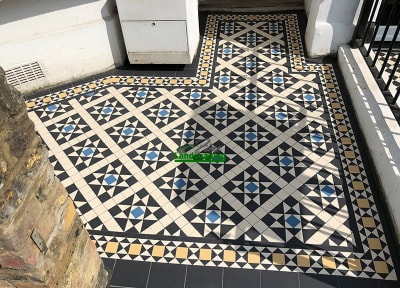
Walk down any residential street between Garratt Lane and Burntwood Lane, and you'll spot the telltale signs of original Victorian pathways struggling beneath layers of patch repairs. Black and white geometric tiles peek through tarmac overlays. York stone slabs sit at odd angles after decades of frost damage. These entrance paths once showcased the craftsmanship that defined SW18's housing boom of the 1890s.
Authentic restoration starts with careful excavation to uncover what remains of the original layout. Salvageable tiles get cleaned and reset using traditional lime-based mortars that allow natural movement. Missing sections require sourcing reclaimed materials or commissioning hand-made reproductions from specialist kilns. The substrate preparation follows Victorian methods - proper drainage channels, compacted hoggin base layers, and breathable pointing that prevents moisture damage.
Twenty years restoring pathways across Wandsworth's conservation areas means knowing which tile patterns match specific building dates. Local knowledge matters when matching the distinctive red clay pavers found near Earlsfield station or the Welsh slate edges common to properties built after 1895.

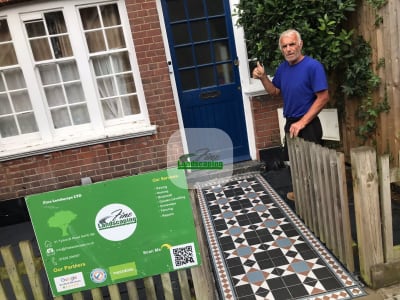


Rated 4.9/5 from over 280 verified reviews
A standard 4-metre tessellated pathway in Earlsfield typically runs £3,500-5,500, depending on tile condition and pattern complexity. York stone paths often cost £2,800-4,200. Properties with larger front gardens or elaborate designs may reach £7,000-9,000.
Absolutely - from the grand entrances along Magdalen Road to the compact terraces near Summerstown. Regular projects across SW18 include properties on Tranmere Road, Burntwood Lane, and the conservation streets off Garratt Lane.
Most residential paths in Earlsfield complete within 8-12 working days. Complex geometric patterns or extensive foundation repairs might extend to three weeks, particularly during winter months when lime mortars cure slowly.
Each restored pathway carries decade-long protection against workmanship defects. This covers tile adhesion, pointing integrity, and structural movement - essentially everything except accidental damage. Annual inspections during the first two years ensure proper settling.
Minor chips and surface wear often respond well to specialist restoration techniques. Severely cracked tiles usually need replacing, but mixing reclaimed pieces with existing tiles creates an authentic weathered appearance. About 60% of Earlsfield's original tiles prove salvageable with proper cleaning.
Get your free, no-obligation quote today.