
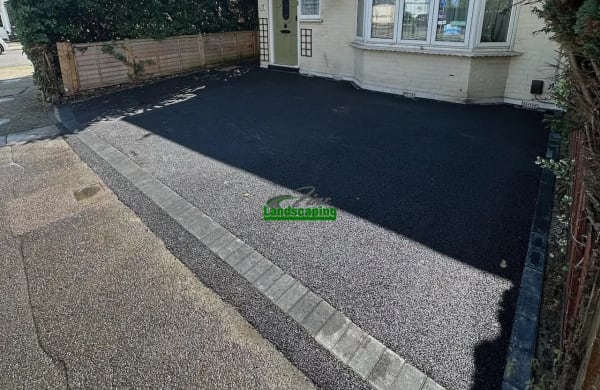
Victorian terraces along Battersea's tree-lined streets deserve proper vehicle access that respects both heritage and practicality. Creating a seamless transition from road to property requires more than just concrete work – it demands an understanding of local planning intricacies and drainage challenges unique to this part of South London.
Response within 24 hours
Battersea's mix of period properties and modern developments presents distinct challenges for vehicle crossover installations. Many homeowners discover their front gardens sit awkwardly above street level, particularly around Northcote Road and the conservation areas near Battersea Park. Successfully navigating council requirements whilst ensuring proper water management becomes crucial when transforming these spaces into functional driveways.
The technical aspects involve precise gradient calculations to prevent pooling during our frequent London downpours. Reinforced concrete foundations must accommodate both family cars and delivery vehicles, whilst permeable surfaces help manage surface water in compliance with current regulations. Each crossover requires careful integration with existing utilities – particularly important given the Victorian-era infrastructure beneath many SW11 streets.
Local knowledge proves invaluable when dealing with Wandsworth Council's specific requirements for dropped kerbs. Years spent working between Lavender Hill and Queenstown Road mean anticipating common approval hurdles before they arise.


Rated 4.9/5 from over 280 verified reviews
Standard residential crossovers typically range from £2,500 to £4,500, though properties with significant level changes or extended frontages may require £5,000-£7,000. Listed buildings near Battersea Square often involve additional planning considerations affecting overall costs.
Absolutely – from the mansion blocks near Clapham Junction station to the newer developments around Nine Elms, every corner of SW11 falls within our regular working area. Chelsea borders and the Battersea Power Station district are equally accessible.
Council approval generally takes 6-8 weeks, followed by 3-5 days of actual construction work. Properties within conservation areas might experience slightly longer approval periods.
Each installation carries decade-long protection covering structural integrity, drainage functionality, and surface durability. This comprehensive coverage extends to both the crossover itself and any associated groundworks completed during installation.
Narrow Victorian frontages common throughout Battersea often require creative solutions. Angled approaches, shared crossovers with neighbours, or compact turning areas can maximise limited space whilst maintaining safe sight lines for pedestrians and cyclists.
Get your free, no-obligation quote today.