
Those sloping Dulwich gardens deserve better than rotting railway sleepers from decades past. Modern timber solutions bring structure and style to even the trickiest Victorian terraces.
Response within 24 hours
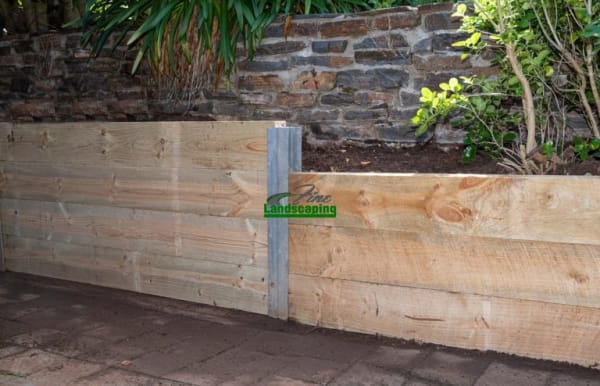
Timber sleepers have become the go-to solution for Dulwich homeowners tackling everything from steep back gardens to creating defined parking spaces. Whether you're dealing with the challenging levels common in SE21's period properties or simply want to add character to a West Dulwich lawn, properly installed sleepers transform problematic spaces. The right timber choice makes all the difference between a project that lasts decades and one that needs replacing after a few wet winters.
Installation begins with understanding your soil conditions - particularly important given Dulwich's mix of London clay and sandy patches near the old river courses. Each sleeper gets positioned using laser levels, ensuring perfect alignment even on those notoriously uneven East Dulwich plots. Pressure-treated softwood suits most residential applications, though oak remains popular for properties matching the area's Arts and Crafts heritage. Proper drainage channels prevent water pooling, crucial when dealing with SE22's heavy clay soils.
Years spent working across Herne Hill's compact terraces and Dulwich Village's generous plots mean understanding exactly which timber grades suit South London's climate. Local knowledge matters when specifying materials that'll withstand everything from summer heatwaves to winter waterlogging.



Rated 4.9/5 from over 280 verified reviews
Most Dulwich garden projects fall between £85-120 per linear metre installed, though complex terracing or premium hardwoods can push costs higher. A standard Victorian terrace retaining wall typically runs £1,800-2,500 complete.
Absolutely - from Dulwich Village through to the Herne Hill borders. Regular projects span SE21's leafy streets, SE22's bustling East Dulwich, and SE24's characterful terraces. Same-week site visits throughout.
Site assessments usually happen within 3-4 days of contact. Most installations commence 2-3 weeks later, though smaller edging jobs often slot in sooner during quieter spells.
Every sleeper project carries decade-long protection covering both materials and workmanship. This includes settlement issues, timber degradation, and structural movement - comprehensive coverage that reflects confidence in our installation methods.
Definitely - modern cutting techniques allow gentle curves and flowing lines. Particularly effective in Dulwich's larger gardens where straight edges feel too formal. Softwood bends more readily than oak, making it ideal for serpentine borders or circular raised beds.
Get your free, no-obligation quote today.