
Soakaways in Marylebone designed to stop pooling water and protect your foundations. We test, calculate and install compliant systems for W1 gardens, patios and driveways. Expect tidy workmanship, clear reporting and long-term performance.
Response within 24 hours
Standing water after heavy rain is common around W1 courtyards and compact rear gardens, especially near Marylebone High Street and Regent’s Park. A properly designed soakaway takes roof and surface water away from the building and disperses it safely into the ground. We install new systems and upgrade failing ones, including correct connections from downpipes and channel drains. Every job starts with evidence-led testing, not guesswork.
Marylebone’s Georgian townhouses, mansion blocks and period conversions often have restricted access, shared drains and older pipework. We’re used to working in tight side returns, basement lightwells and paved courtyards where levels are critical. In the soakaways Marylebone area, we frequently see historic alterations that need careful tracing and sensible upgrades. Our team plans around neighbours, communal areas and the realities of City of Westminster properties.
We carry out percolation tests, sizing calculations and a clear proposal before any excavation begins. Installations can use modern crate systems or traditional rubble soakaways, always with inspection chambers for future access and maintenance. We follow Building Regs requirements and provide documentation for your records or managing agent. Homeowners trust us because we communicate clearly, protect finishes, and leave sites clean and functional.
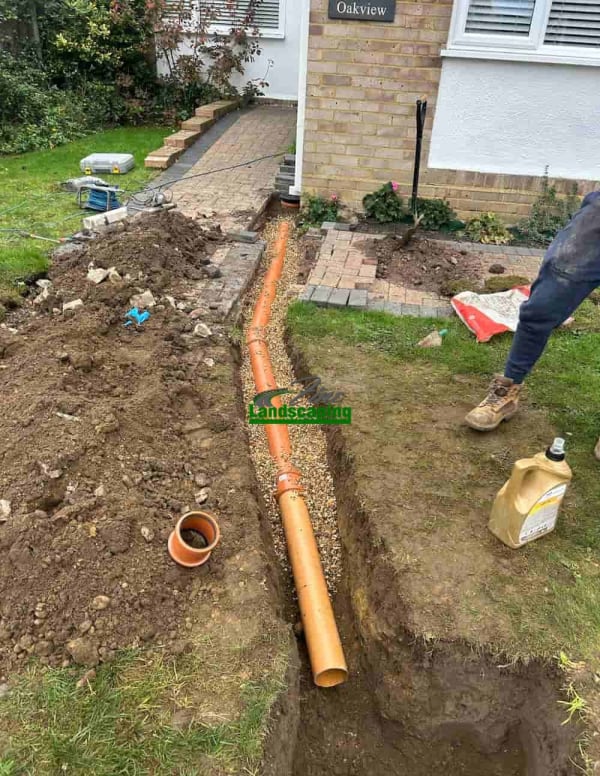
Access and parking around Baker Street and Fitzrovia can be challenging, so we plan deliveries and waste removal carefully. Ground conditions vary between made ground and heavier London clay, which affects soakaway sizing and depth. We design with tight boundaries, party walls and basement structures in mind, and we keep excavations controlled. For soakaways in City of Westminster, we also factor in council expectations and safe reinstatement of paving and landscaping.


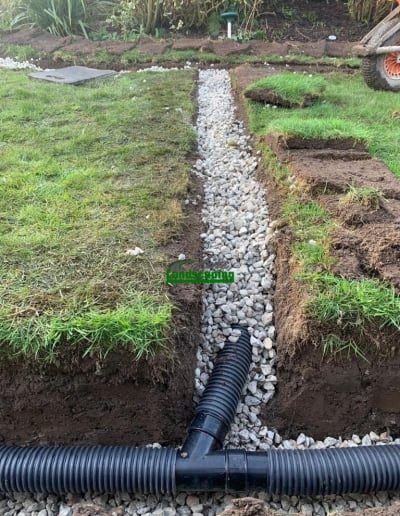

Rated 4.9/5 from over 280 verified reviews
Costs vary with depth, access, disposal, and whether you need new connections or repairs. As a guide, a small rubble soakaway for a single downpipe may start around £1,200–£2,500. Crate systems with inspection chambers and new pipe runs are commonly £2,500–£6,500+. Complex courtyard jobs in W1 with restricted access, deeper digs or multiple inlets can be higher after a site survey.
Most straightforward installations take 1–3 days on site, including excavation, fitting the soakaway, connections and reinstatement. Larger crate systems, multiple downpipes, or long pipe runs can take 3–5 days. Timescales depend on access (common in mansion blocks), depth to suitable ground, weather, and whether we uncover existing drainage issues that need tracing or repair. We confirm a schedule after testing and measurements.
Soakaways are usually permitted as part of drainage improvements to gardens, patios and driveways, provided you’re not altering protected structures or affecting public land. However, constraints can apply in conservation areas, listed buildings, and where works interact with basements or shared drainage. We check the relevant requirements, advise on Building Regs considerations, and can provide drawings and calculations if your architect, freeholder or managing agent needs them.
Yes. We provide a 10-year warranty on our workmanship for soakaway installations, covering defects in installation such as incorrect connections, poor bedding, or chamber/pipework issues. The warranty assumes normal use and that the system isn’t damaged by later building works or blocked by misuse. We also recommend periodic inspection via the chamber, especially where leaf fall or silt is likely, to keep performance consistent.
Popular options include modular crate systems wrapped in geotextile for high capacity in limited space, and traditional rubble soakaways where ground and access allow. We can add silt traps, rodding access and inspection chambers to simplify maintenance. Design choices depend on percolation results, available footprint, and the volume of water from roofs or paving. We’ll explain the pros and cons and specify the best solution for your property.
Get your free, no-obligation quote today.