
Stop garden flooding and surface water pooling with Soakaways in Camberwell. We design, size and install compliant systems for SE5 homes, from tests to final connection. Expect tidy workmanship, clear paperwork and long-lasting drainage performance.
Response within 24 hours
If rainwater is backing up or pooling after storms, a properly designed soakaway can make a dramatic difference. We install soakaways across SE5, including around Camberwell Green and Denmark Hill station, to manage roof and driveway runoff safely. Each system is sized to your site rather than guessed, helping prevent repeat flooding and saturated lawns. We can also add inspection chambers so future checks are straightforward.
Camberwell’s mix of Georgian townhouses, Victorian terraces and newer apartments often comes with tight side access, shared boundaries and mature gardens. We’re used to working around existing patios, cellar lightwells and older drainage layouts common in the Camberwell area. Where downpipes and gullies have been altered over the years, we trace and rationalise connections for a cleaner, more reliable setup. The result is drainage that suits the property, not a one-size-fits-all trench.
Our process starts with percolation tests and sizing calculations, then we recommend the best build method for your ground and available space. We install crate systems or rubble soakaways, connect pipework correctly, and keep everything aligned with Building Regulations guidance. You’ll get clear communication, tidy reinstatement, and practical advice on maintenance to keep performance high. Local homeowners choose us for consistent workmanship and drainage that keeps working year after year.
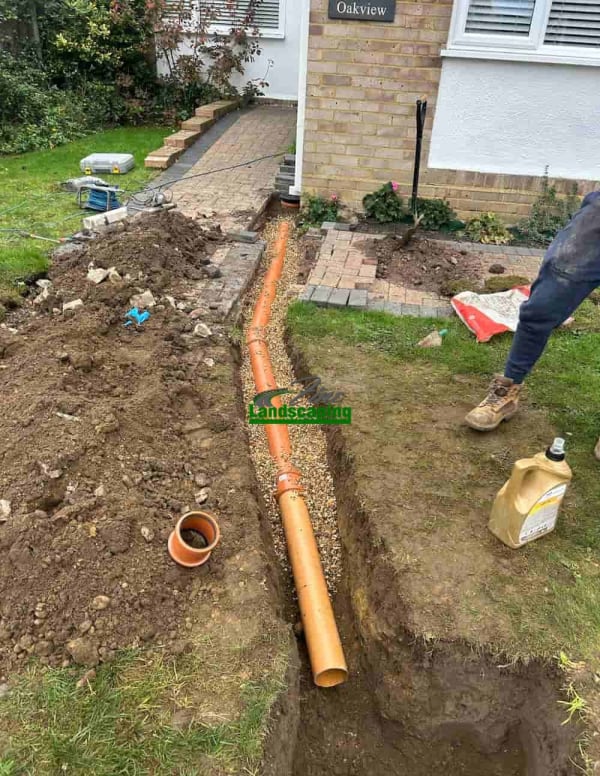
In the London Borough of Southwark, access and parking can be limited, so we plan deliveries, spoil removal and reinstatement carefully. Around Denmark Hill and towards Peckham, we often encounter older clay pipework and altered downpipe routes, which we trace before connecting. Ground conditions can vary street to street, so we rely on percolation tests rather than assumptions. Our approach keeps disruption down and helps systems perform through heavy rainfall.



Rated 4.9/5 from over 280 verified reviews
Costs vary with soakaway size, depth, access, and whether you need new connections or an inspection chamber. In Camberwell, a small rubble soakaway for a single downpipe might start around £900–£1,800. Crate systems with geotextile, proper pipework, and reinstatement are commonly £1,800–£4,500+. Larger or deeper installs, restricted access, or significant excavation and disposal can push costs higher.
Many domestic soakaway installations take 1–2 days on site once the design is agreed. Simpler rubble soakaways can sometimes be completed in a day, while larger crate systems with multiple connections and an inspection chamber may take 2–3 days. Timescales depend on access, depth, ground conditions, existing drainage complexity, and the amount of reinstatement required for paving, turf, or planting beds.
Most soakaway work in gardens and driveways is usually permitted development, especially when it’s improving drainage and not altering the building footprint. However, rules can change if your property is listed, in a conservation area, or if works affect shared boundaries or public drainage. We check the practical requirements, follow Building Regulations guidance for connections and discharge, and advise if any permissions or consents may be needed.
Yes. We provide a 10-year warranty on our soakaway installations, covering workmanship and installation-related defects such as failed joints, incorrect falls, or system issues caused by poor build quality. The warranty doesn’t cover blockages from misuse, damage from later building works, or extreme events beyond design assumptions. We also explain maintenance steps and can include inspection chambers to make future checks and cleaning easier.
We typically offer modern crate systems wrapped in geotextile for high capacity in compact spaces, or traditional rubble soakaways where conditions and space allow. Options can include silt traps, rodding points, and inspection chambers for easier maintenance. We’ll recommend pipe sizes, gradients and connection details after percolation tests and sizing calculations. The best choice depends on your runoff volume, soil drainage, and the available dig area.
Get your free, no-obligation quote today.