
Victorian terraces meet modern drainage solutions across Brixton's evolving streetscape. From compact front gardens to generous driveways, sustainable surfacing transforms how rainwater behaves on your property.
Response within 24 hours
Brixton's mixture of period properties and new builds creates unique challenges for surface water management. Those narrow Victorian frontages require clever thinking about drainage, whilst larger plots near Brockwell Park benefit from full SUDS-compliant installations. Local flooding issues around Coldharbour Lane and Water Lane make proper permeability essential.
Permeable block paving allows rainwater to filter naturally through joints into sub-base aggregates below. This reduces surface runoff by up to 95%, preventing overwhelmed drains during heavy downpours. The system works through carefully graded stone layers beneath decorative blocks, creating underground storage that slowly releases water into existing drainage or directly into soil. Contemporary designs complement both traditional red-brick facades and modern architectural styles throughout SW2.
Years spent working on Brixton's sloping streets taught us which materials perform best under London clay conditions. Every installation considers your property's specific gradient and existing drainage patterns.
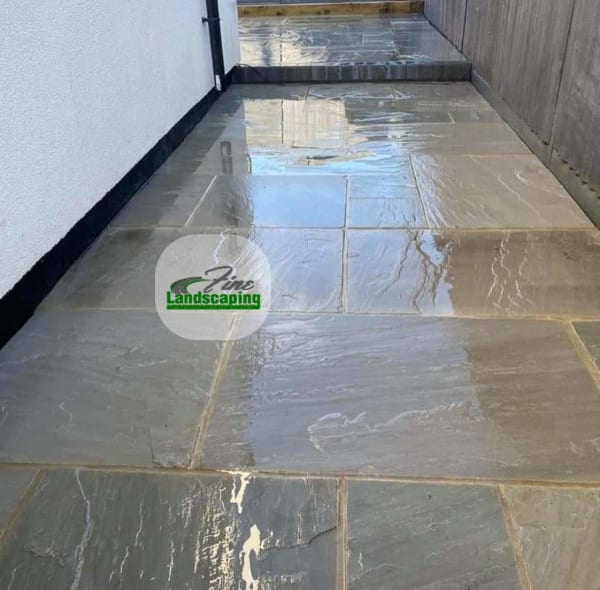

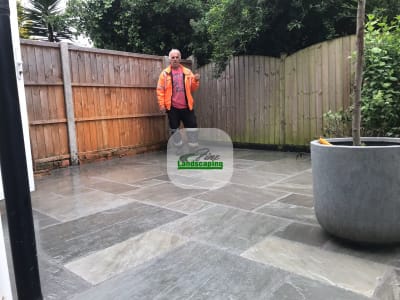
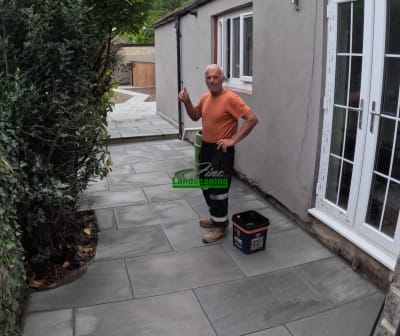
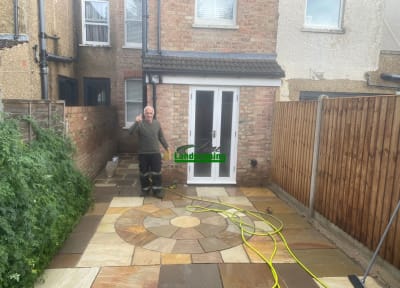
Rated 4.9/5 from over 280 verified reviews
Standard installations range £85-120 per square metre including excavation and sub-base preparation. Steeper slopes common around Brixton Hill may require additional engineering, adding 15-20% to base costs.
Absolutely - from Brixton Market to the edges of Clapham Common, including all SW2 and SW9 addresses plus neighbouring areas like Tulse Hill and Herne Hill.
Most residential driveways take 4-6 working days from excavation to completion. Larger commercial projects or complicated drainage connections might extend to 8-10 days.
Each project includes decade-long coverage against structural failures and drainage performance issues. This encompasses block movement, sub-base settlement, and maintained permeability rates when properly maintained.
The aggregate layers naturally filter many contaminants including oil residues. Regular sweeping prevents joint clogging, whilst specialist sealers can protect high-traffic areas without compromising permeability.
Get your free, no-obligation quote today.