
That sinking feeling when your driveway cracks isn't just about aesthetics—it's water finding its way underneath. Epsom's clay soil and mature tree roots create unique challenges for paved surfaces throughout KT17, KT18 and KT19.
Response within 24 hours
Victorian properties near the town centre often struggle with original brick paving that's settled over decades. Meanwhile, those living on the chalk downs face different issues entirely—limestone erosion beneath modern block paving creates distinctive patterns of subsidence. Whether it's a narrow terrace frontage in Old Town or a sweeping gravel drive near Epsom Downs Racecourse, each repair demands understanding the specific ground conditions.
Successful repairs start with identifying why the damage occurred. Tree roots from Epsom's abundant lime and oak trees frequently disrupt surfaces, particularly along streets like Ashley Road and Woodcote Road. Clay movement during our wet winters causes expansion and contraction cycles. Sometimes it's simply age—those 1970s concrete drives throughout West Ewell have reached their natural lifespan. Addressing the underlying cause prevents the same cracks reappearing next year.
Twenty-three years working between Ashtead Common and Nonsuch Park teaches you which solutions last. Local knowledge matters when chalk bedrock sits just inches below some gardens whilst others have deep London clay.
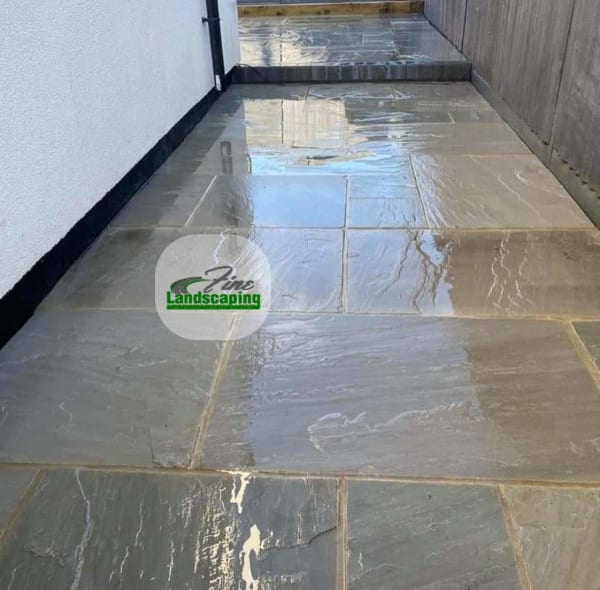

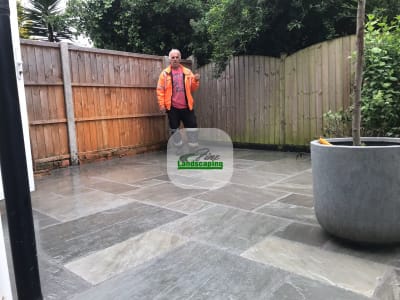
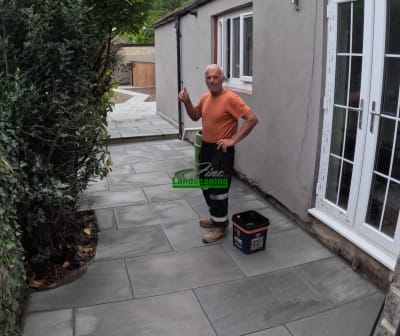
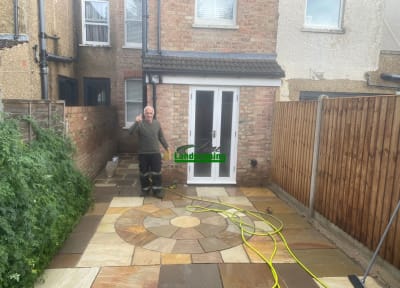
Rated 4.9/5 from over 280 verified reviews
Small patch repairs on typical semi-detached properties start around £400-£600. Complete resurfacing of a standard double drive ranges £1,800-£3,500, depending on whether we're dealing with block paving, tarmac or resin-bound surfaces. Listed properties near Epsom Common sometimes require specialist materials, affecting costs.
Absolutely—from the conservation areas of KT17 through to the modern developments in KT18 and the established residential streets of KT19. Regular work takes us from Stoneleigh border right across to the Ashtead boundaries.
Emergency repairs for safety hazards typically begin within 48 hours. Standard repair schedules run 5-10 days from initial assessment, though complex drainage-related issues might extend to 2-3 weeks during busy periods.
All structural repairs carry decade-long protection against failure. This covers the workmanship and materials used in repair zones, though natural wear or new damage from external factors remains separate. Documentation provided matches local building control requirements.
Matching established surfaces requires careful sourcing. Block paving from major manufacturers usually remains available, though weathering means perfect colour matches prove challenging. Older concrete or unusual imports might need creative solutions—sometimes replacing larger sections achieves better visual results than patchwork repairs.
Get your free, no-obligation quote today.