
Family Friendly Gardens in Stockwell, built for real family life and busy weekdays. We design safe play areas, soft surfaces and lawn space that look smart year-round. From sandpits to wildlife corners, everything is planned around your home and how your children play.
Response within 24 hours
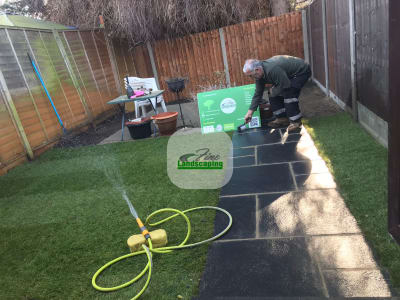
Stockwell gardens often need to work hard for growing families, especially where outdoor space is compact. We create practical layouts with safe play areas, lawn space and soft surfaces that suit everyday use. Whether you’re near Stockwell tube station or closer to Stockwell Park, we’ll shape the garden around how your household moves, plays and entertains. The result is a garden that feels calm, tidy and genuinely child-friendly.
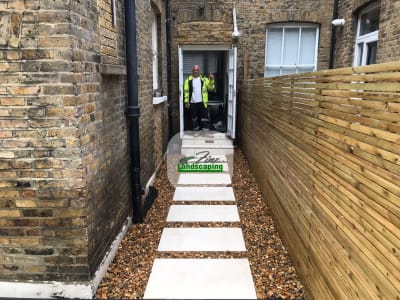
Our team works across the family friendly gardens Stockwell area, with quick access from Norbury in around 15 minutes. We’re used to the mix of Victorian terraces, Georgian houses and post-war estates around SW9, including shared access paths and smaller rear gardens. That means we plan for wheelbarrow routes, storage, and neat edging that stands up to footballs and scooters. We also design with privacy and overlooking in mind, which can be important in denser streets.
We start with a site visit to map levels, drainage and sun patterns, then produce a clear design with material options and a staged plan. Safety comes first: stable sub-bases, secure fixings, and soft landing zones where needed. You’ll get tidy workmanship, clear timelines and straightforward communication throughout. Local homeowners choose us for reliable finishes, sensible advice and gardens that stay easy to maintain.

Across the London Borough of Lambeth, Stockwell gardens can have compact footprints, mixed soil and drainage quirks from older landscaping. We assess ground conditions and specify the right sub-base for lawns and soft surfacing so areas don’t turn muddy. Access can be tight near terraces, so we plan deliveries and keep disruption controlled. We also work with local expectations on boundary heights, waste removal and considerate working hours.


Rated 4.9/5 from over 280 verified reviews
Costs vary with size, access and what you include. For SW9 gardens, a simple family-friendly refresh (turf, edging, a small soft-play zone) often starts around £3,000–£6,000. Mid-range projects with new paving, raised beds, lighting and play equipment bases are commonly £7,000–£15,000. Full redesigns with level changes, premium surfacing, fencing and bespoke carpentry can reach £15,000–£30,000+.
Most projects take 1–3 weeks on site, depending on complexity. A lawn and soft-surface play area can be completed in about a week, while a full redesign with new paving, drainage, fencing and planting typically takes 2–4 weeks. Timescales are affected by access through terraces, skip placement, curing time for bases, and weather. We’ll provide a clear programme before work begins.
Most garden landscaping is permitted development, and items like sandpits, lawns and typical play equipment usually don’t need planning permission. However, rules can apply to boundary treatments, significant level changes, structures near boundaries, or if your property is listed. Lambeth may also have guidance on waste, noise and working practices. We check constraints during the survey and flag anything that may need approval before installation.
We provide a 10-year warranty on our workmanship for installed hard landscaping elements, such as sub-bases, edging, paving and built structures, when maintained as advised. This covers issues like movement caused by incorrect installation, joint failures or unstable foundations. Products (e.g., lighting, turf, play equipment) may carry separate manufacturer warranties. We also offer aftercare guidance to keep lawns and surfaces performing well.
Popular choices include durable turf or reinforced grass for lawn space, rubber mulch or bonded rubber for soft landings, and permeable paving for pushchairs and scooters. We can add sandpits with timber edging, trampoline pits with proper drainage, and secure bases for climbing frames. Wildlife areas often use native planting and log piles, while growing spaces can be raised beds or compact veg plots. We’ll help you balance safety, style and maintenance needs.
Get your free, no-obligation quote today.