
Those grand Victorian villas throughout Dulwich deserve driveways that match their elegance. Whether your gravel's gone patchy or the tarmac's showing its age, resurfacing brings back that pristine kerb appeal without the upheaval of complete replacement.
Response within 24 hours
Dulwich's tree-lined streets create particular challenges for driveways - root damage, shade-induced moss, and those inevitable autumn leaf stains. Rather than ripping everything out, resurfacing works with your existing foundation, addressing surface issues while preserving what's structurally sound beneath. It's the smart approach for properties where mature trees and established landscaping make full excavation impractical.
Modern resurfacing techniques have evolved dramatically. Polymer-modified overlays bond chemically with existing surfaces, creating a unified structure that resists the freeze-thaw cycles common in London winters. For gravel drives popular in West Dulwich's larger plots, stabilisation grids prevent that annoying migration of stones while maintaining permeability. Resin-bound surfaces offer another solution - combining the aesthetic appeal of aggregate with the practicality of a solid surface.
Having worked on everything from compact East Dulwich terraces to sprawling Dulwich Village estates, understanding local drainage patterns and planning restrictions comes second nature. Each property gets assessed individually - what works for a steep approach off Lordship Lane might differ completely from a level drive near Dulwich Park.
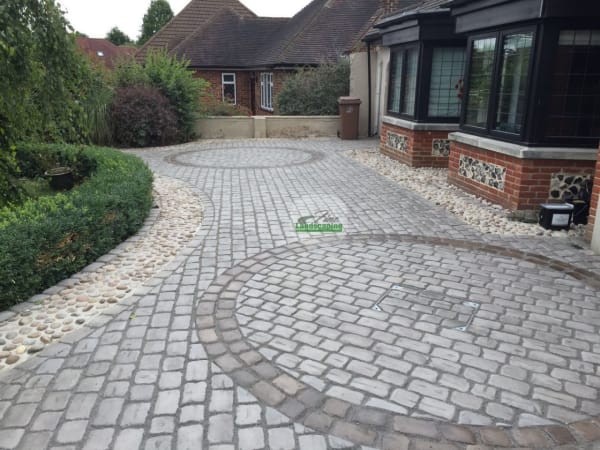
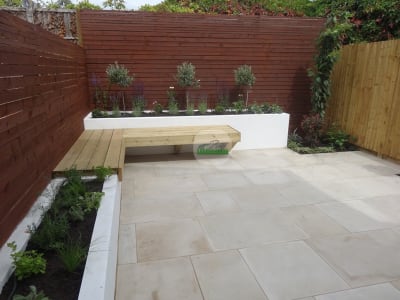
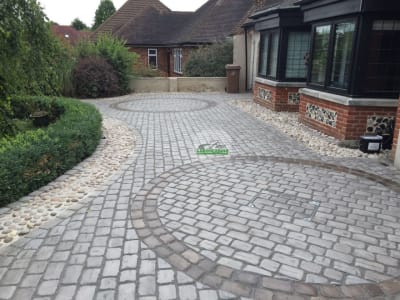
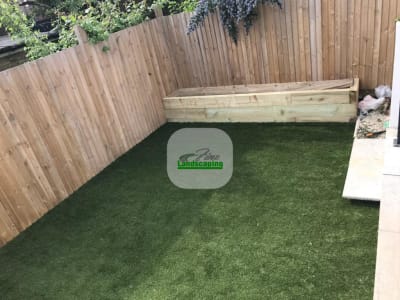
Rated 4.9/5 from over 280 verified reviews
Most semi-detached properties in the area see costs between £2,800-£4,500, depending on the existing surface condition and chosen finish. Larger detached homes with sweeping drives naturally fall higher, often £5,000-£8,000. Resin-bound surfaces typically add 20-30% over standard tarmac overlays.
Absolutely - from the conservation areas around Dulwich Village (SE21) through to the bustling high streets of East Dulwich (SE22) and down to the Herne Hill borders (SE24). Regular projects span from Sydenham Hill to Denmark Hill, including all the residential streets between.
Typical residential resurfacing completes within 3-4 days, weather permitting. Initial preparation takes a day, application another, then curing time before vehicle use. Larger or more complex surfaces might stretch to a week, but you'll have a detailed schedule upfront.
Every resurfacing project carries decade-long protection against defects in materials and workmanship. This covers delamination, unusual wear patterns, and colour fade beyond normal expectations. Annual check-ins during the first two years ensure everything's performing as it should.
Yes - proper resurfacing addresses drainage issues through precise grading. Small depressions get filled and the surface re-profiled to guide water toward appropriate runoff points. For severe drainage problems, installing channels or soakaways might be recommended alongside the resurfacing.
Get your free, no-obligation quote today.