
Those charming Victorian properties around Chislehurst Common deserve foundations as solid as their heritage. Whether you're extending that narrow side return or finally sorting the waterlogged patch behind your garage, proper concrete work makes all the difference.
Response within 24 hours
Chislehurst's mix of period homes and modern builds throws up some interesting groundwork challenges. Clay soil shifts, mature tree roots cause havoc, and those sloping gardens towards Elmstead Wood need careful levelling. Local knowledge counts when you're pouring concrete that needs to last decades, not just look good on installation day.
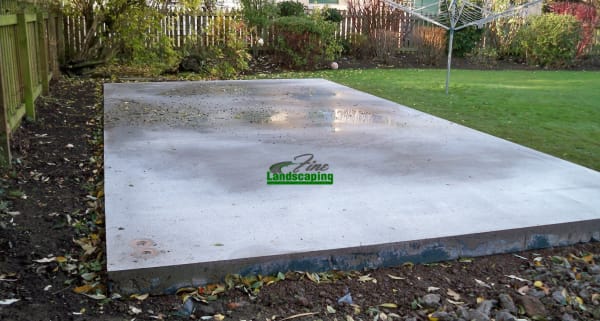
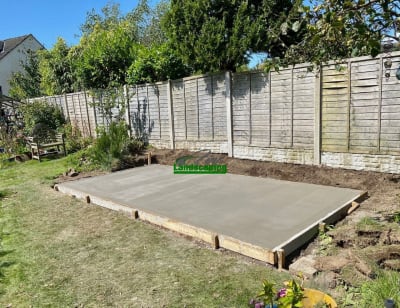
Modern concrete technology has moved beyond basic sand and cement mixes. Reinforced mesh prevents cracking where ground movement is common, while proper expansion joints accommodate seasonal changes. The right aggregate blend ensures water drains away rather than pooling - crucial when you're dealing with BR7's heavy autumn rainfall. Thickness varies by purpose: 100mm for patios, 150mm minimum for driveways handling family cars.
Having worked on everything from compact Mottingham terraces to sprawling Bromley borders properties, experience shows in the details. Accurate site assessment prevents costly surprises, particularly with Chislehurst's varied topology.


Rated 4.9/5 from over 280 verified reviews
Garden shed bases start around £400-600, while a double driveway typically ranges £2,500-4,000 depending on access, ground preparation needed, and whether you're working around existing features like Victorian garden walls.
Absolutely - the entire BR7 postcode falls within our standard service area, from properties backing onto Scadbury Park right through to homes near the Sidcup bypass.
Light foot traffic after 48 hours is fine, but vehicles need 7-10 days for full strength. Weather affects curing times - we'll advise based on the forecast.
Each installation carries decade-long protection against structural defects. This covers any cracking, sinking or deterioration not caused by ground movement or impact damage - documentation provided on completion.
Definitely - proper gradient planning directs water to existing soakaways or drainage channels. For larger areas, we often incorporate permeable joints or discrete drainage channels to meet local planning requirements.
Get your free, no-obligation quote today.