
Battersea's mix of period properties and modern developments creates unique groundwork challenges. Whether you're extending a Victorian terrace or laying foundations for a riverside garden room, precision concrete work transforms ambitious plans into solid reality.
Response within 24 hours
Those narrow access routes between Battersea's terraced houses? Not a problem. Years of navigating tight spaces from Northcote Road to Lavender Hill means even the most awkward plots get professional-grade slabs. Modern pumping equipment reaches where traditional mixers can't, particularly useful for those tucked-away gardens backing onto the railway lines.
Ground conditions vary dramatically across SW11 - from stable clay near Clapham Common to the trickier Thames-side soil towards Nine Elms. Each project starts with proper assessment: depth calculations, reinforcement planning, membrane selection. Victorian basements need careful consideration, while new-build gardens often hide utilities that require working around. The right specification prevents future cracking, especially important given London's freeze-thaw cycles.
Local knowledge counts when heavy lorries need positioning on residential streets already squeezed by parking permits and school runs. Building relationships with neighbours matters as much as technical expertise here.
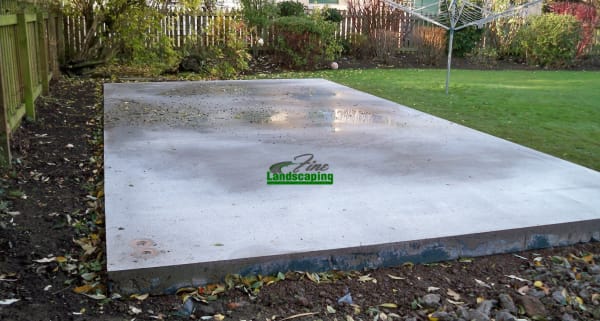
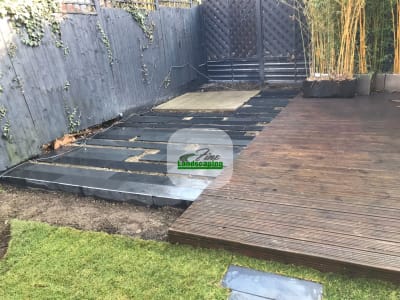

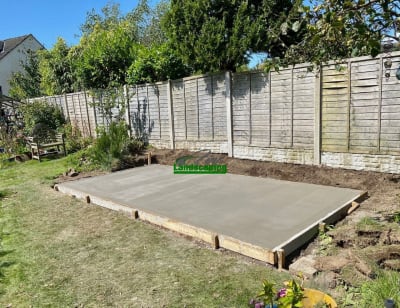

Rated 4.9/5 from over 280 verified reviews
Garden shed bases start around £600-800, while a double garage slab typically runs £2,500-3,500. Larger projects like full patio foundations range £4,000-7,000, depending on access difficulties and ground preparation needs.
Absolutely - from the conservation areas around Battersea Square to new developments near the Power Station. Regular work takes us through Queenstown, across to Chelsea Bridge, and down past Clapham Junction station.
Initial curing allows light foot traffic after 24-48 hours. Full vehicle loads need 7-10 days, though we often recommend 14 days for maximum strength, particularly during colder months.
Every slab carries decade-long protection against structural defects. This covers cracking from poor mix design or inadequate reinforcement - genuine peace of mind for substantial investments like workshop floors or garden room bases.
Matching isn't always perfect with concrete aging naturally, but various finishing techniques help blend new sections. Brush finishes, exposed aggregate, or power floating can complement existing surfaces. Sometimes a deliberate contrast works better than attempting an exact match.
Get your free, no-obligation quote today.