
Concrete Foundations in Raynes Park built properly from the ground up. We design and pour strip, pad and raft foundations to Building Regs, ready for your build.
Response within 24 hours
If you’re planning an extension, garden room or new boundary wall in SW20, the foundation is where the job succeeds or fails. Our team installs strip foundations, pad foundations and raft foundations tailored to your structure and soil. We regularly work near Raynes Park station and around Cannon Hill Common, where access and neighbours often need careful coordination. Everything is set out accurately, poured cleanly and left ready for the next trade.
Raynes Park has a strong mix of 1930s semis, Victorian terraces and Edwardian houses, each with different load paths and constraints. Older homes may need deeper foundations or reinforced wall footings to support new openings and side returns. We also factor in typical garden levels, shared boundaries and tight side access common around Wimbledon, Motspur Park and West Barnes. The result is a base designed to suit the property, not a one-size-fits-all trench.
We start with a site visit, levels and set-out, then advise on the right foundation type and depth before any digging begins. Our process covers excavation, spoil removal, reinforcement, concrete pour and curing, with Building Control considerations built in from day one. You’ll get clear communication, tidy working practices and photo updates where helpful. Local homeowners choose us because we combine engineering-led thinking with reliable scheduling and a 10-year warranty.
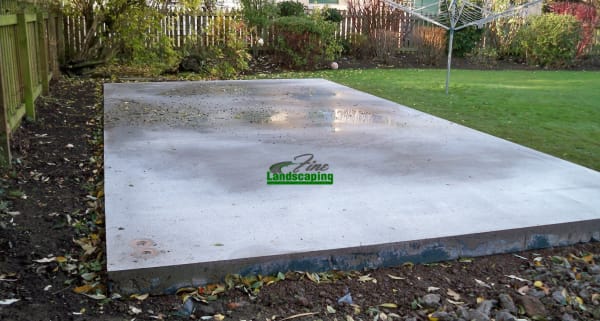
Ground conditions can vary across the concrete foundations Raynes Park area, so we confirm depths and bearing strata before pouring. Many SW20 streets have limited parking and narrow side access, so we plan deliveries, mixers and spoil collection to minimise disruption. We’re used to coordinating with Building Control in the London Borough of Merton and working around party walls and shared boundaries. That local experience helps avoid delays and costly changes once excavation is underway.
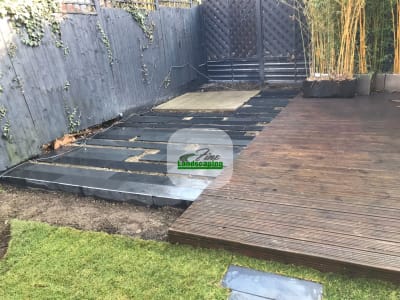

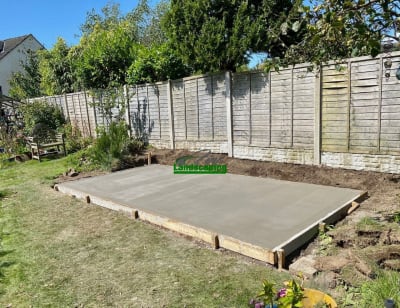

Rated 4.9/5 from over 280 verified reviews
Costs vary by depth, access, spoil removal and the foundation type. As a guide, small pad foundations for posts or a garden room might start around £800–£1,800. Strip foundations for walls and small extensions often fall in the £2,500–£8,000 range. Raft foundations and heavily reinforced or deep foundations can be £8,000–£20,000+. We’ll provide an itemised estimate after a site visit.
Most domestic foundation works take 2–7 working days from excavation to pour, depending on size and access. A simple run of strip foundations for a wall can be completed in a couple of days, while a larger extension footprint may take a week or more. Timescales are affected by ground conditions, disposal logistics, reinforcement requirements, inspections and weather. Curing time is also important before loading the foundation.
Foundations themselves usually sit within a wider project, and many rear extensions or garden structures can be permitted development. However, Building Regulations approval is commonly required, and Building Control may need to inspect excavations and reinforcement before the pour. Party wall matters can also apply near boundaries. We’ll help you understand what’s needed for your site and coordinate around inspections so the job keeps moving.
We provide a 10-year warranty on our concrete foundation workmanship. This covers defects caused by installation issues, such as incorrect set-out, poor compaction, inadequate reinforcement placement or substandard concrete handling. It doesn’t cover structural movement caused by unrelated building defects, extreme events, or changes in loading outside the agreed design. We keep clear records of depths, steelwork and pours to support Building Control sign-off and your peace of mind.
We install strip foundations for load-bearing walls, pad foundations for point loads (posts and columns), and raft foundations where ground conditions or spread loads make sense. Options include reinforced concrete, deeper trench fills, and engineered wall footings for retaining or boundary walls. We can work to your structural engineer’s drawings or help arrange the calculations. We’ll recommend the best approach based on soil, access, drainage runs and your build plans.
Get your free, no-obligation quote today.