
South London's clay soil demands proper groundwork - something Norbury residents know all too well. Getting your concrete base right first time means whatever sits on top stays level for decades.
Response within 24 hours
Victorian terraces in SW16 often hide surprisingly deep gardens, perfect for that workshop or studio you've been planning. But Norbury's mix of London clay and occasional chalk patches needs careful preparation. Local contractors who understand these soil variations make all the difference between a base that lasts and one that cracks within months.
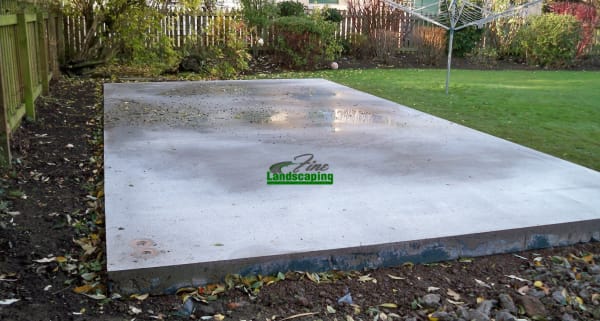
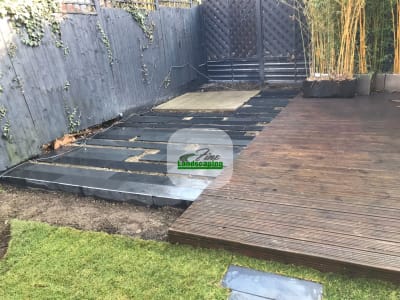
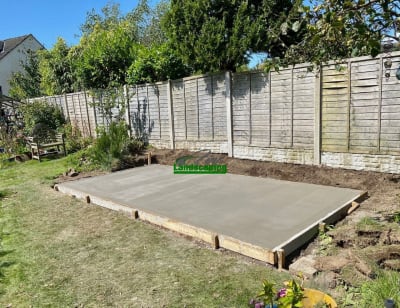
Depth matters more than most people realise. A 100mm pour might suffice for lightweight structures, but heavier builds require 150mm minimum, reinforced with steel mesh. Ground preparation involves excavating below the frost line, laying hardcore, then compacting thoroughly before any concrete touches the site. Each stage prevents future settlement issues common in CR7's undulating landscape.
Twenty years working between Thornton Heath and Streatham teaches you which properties need extra attention. Those Edwardian semis near Pollards Hill? They often sit on made-up ground requiring deeper excavations than newer estates.


Rated 4.9/5 from over 280 verified reviews
Standard single garage bases (3m x 5m) generally run £800-£1,200 including excavation and materials. Double garages or sloping sites near Streatham Common push costs towards £1,500-£2,000.
Absolutely - from the railway arches near Norbury station right through to the Croydon borders. CR7 properties around Thornton Heath and all of Pollards Hill fall within our regular working area.
Weather permitting, most domestic bases complete within 2-3 days. Day one handles excavation and sub-base, day two sees the pour, then 48 hours minimum curing time before load-bearing.
Every base carries decade-long structural coverage against cracking or subsidence. Should any defects appear within ten years, we'll return to rectify at no charge - though properly laid concrete rarely needs it.
Old slabs must go - they're rarely level enough and create weak points. Proper excavation down to stable ground ensures your new base bonds correctly with the substrate, preventing the hollow sounds and cracks that plague overlay jobs.
Get your free, no-obligation quote today.