
Strong foundations matter, especially with Epsom's chalk substrate and clay patches. Whether you're planning a summerhouse overlooking the Downs or need a solid base for that new workshop, getting the groundwork right transforms your project's longevity.
Response within 24 hours
Those Victorian properties around Rosebery Park weren't built on guesswork - their builders understood local ground conditions. Today's concrete technology combined with proper site assessment creates bases that handle Surrey's seasonal moisture changes without drama. KT18's larger plots often see ambitious garden room projects, while compact KT17 gardens benefit from precision-poured shed bases that maximise every square metre.
Depth calculations vary significantly between Ashtead's gravel beds and central Epsom's clay. Steel reinforcement mesh prevents cracking when ground movement occurs during dry summers. Proper membrane installation stops moisture wicking through, crucial given how many local gardens slope towards natural drainage points. DPM integration ensures your structure stays dry year-round, whatever the Downs throw at us weather-wise.
Twenty years working between Ewell Village and Epsom Downs means recognising drainage patterns before the digger arrives. Local building control officers appreciate thorough preparation - saves everyone time when inspections happen smoothly.
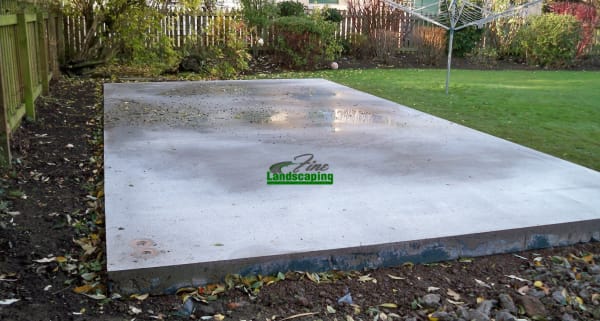
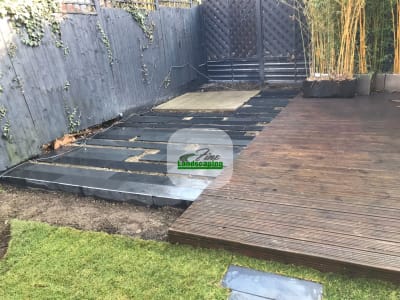

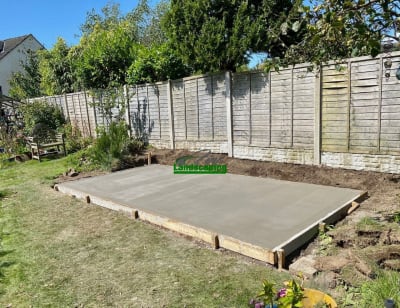

Rated 4.9/5 from over 280 verified reviews
A standard 3x4m shed base runs £650-850 including excavation and materials. Larger garage bases (5x6m) typically fall between £1,400-1,800. Site access through narrow Epsom terraces might add 10-15% for manual handling.
Absolutely - from KT17's town centre properties through KT18's spacious plots near the racecourse to KT19's Stoneleigh borders. Regular projects in Ewell, Ashtead and surrounding Surrey districts too.
Smaller bases (under 20m²) usually complete within 2-3 days including cure time. Extensive garage foundations might need 4-5 days, weather permitting. Excavation through chalk typically progresses faster than clay areas.
Each base carries decade-long structural coverage against settlement or cracking. Documentation includes mix specifications, reinforcement details and photographic progress records - particularly useful for planning compliance in conservation areas.
Stepped bases and retaining edges are standard practice on hillside plots. Level platforms carved from slopes often require engineered solutions - we calculate loadings properly rather than hoping standard depths suffice.
Get your free, no-obligation quote today.