
Solid foundations matter in Biggin Hill, where clay soil and sloping gardens pose unique challenges. Whether you're planning a workshop, greenhouse or new garage, getting the base right transforms your project from temporary to permanent.
Response within 24 hours
Around TN16, property owners face distinct groundwork hurdles - from the heavy clay beneath Keston's Victorian plots to Tatsfield's chalk-laden slopes. A professionally laid concrete base prevents future headaches like subsidence, pooling water, or that dreaded 'lean' that develops after the first winter. Local building regulations require specific depths and reinforcement standards, particularly for structures over 15 square metres.
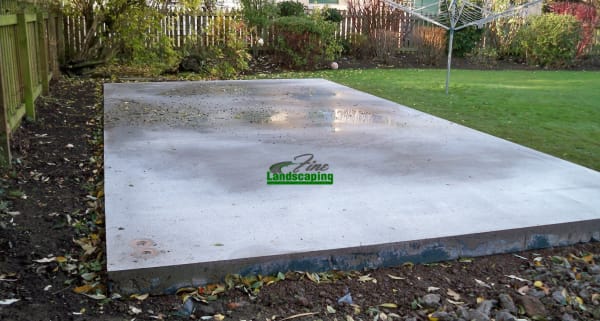
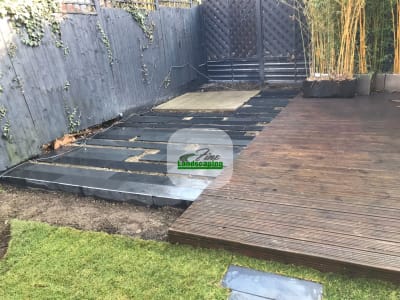
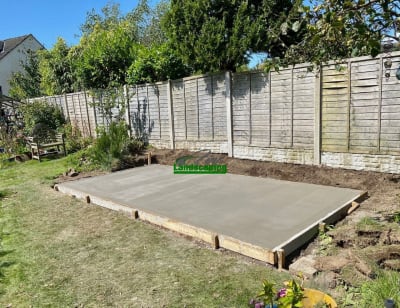
Modern base construction involves calculated excavation depths, Type 1 MOT hardcore compaction, steel mesh reinforcement, and precise concrete mixing ratios. Damp-proof membranes protect against moisture creep - essential given Biggin Hill's 850mm annual rainfall. Expansion joints accommodate seasonal movement, while proper edging formwork ensures crisp, level surfaces that won't crumble when your heavy ride-on mower clips the corner.
Twenty years of laying bases across Westerham's country properties and Biggin Hill's suburban gardens brings invaluable local knowledge. Understanding which areas need extra drainage channels, where tree roots might interfere five years down the line - these insights prevent expensive remedial work.


Rated 4.9/5 from over 280 verified reviews
Garden shed bases (8x6ft) generally run £400-600, while double garage foundations (20x20ft) range £2,500-3,500. Variables include access difficulties, soil conditions, and whether existing structures need removal. Sloping sites common around Tatsfield often add 15-20% due to additional levelling work.
Absolutely - regular projects span from Aperfield's rural properties to homes backing onto Biggin Hill airport. Coverage extends through Keston village, up to Westerham's outskirts, and across to Tatsfield's hillside developments.
Initial curing allows foot traffic after 48 hours, though full load-bearing capacity develops over 28 days. Most shed installations proceed after 7-10 days. Weather dependent - November's damp conditions require longer than August's dry spells.
Every base includes decade-long structural coverage against cracking, settlement, or reinforcement failure. This excludes surface wear from chemical spillage or mechanical damage. Full documentation provided for insurance purposes, particularly valuable for larger outbuildings requiring building control sign-off.
Sometimes existing hardcore can be reused after assessment, potentially saving removal costs. Old concrete needs breaking up regardless - it won't bond properly with new pour. Surrounding block paving often stays if levels work, though we install isolation strips preventing future movement damage.
Get your free, no-obligation quote today.