
Care Home Gardens in Parsons Green that feel calm, familiar and easy to use every day. We create accessible pathways, raised beds, sensory planting and safe seating areas—built for comfort and confidence.
Response within 24 hours
A well-planned garden can transform daily life in a care setting, offering gentle exercise, fresh air and meaningful moments outdoors. Our designs prioritise accessibility and reassurance, from smooth, slip-resistant routes to clear sightlines and restful seating. Around Parsons Green and Eel Brook Common, we create outdoor spaces that support residents, visitors and staff alike. Every detail is chosen to reduce trip risks and encourage independent use.
The Parsons Green area includes Victorian terraces, Georgian cottages and mansion flats, often with compact rear gardens and shared access. We’re used to working with tight side returns, basement lightwells and changes in level that affect mobility-friendly layouts. For care home gardens parsons green area projects, we plan circulation carefully so wheelchairs and walking aids move comfortably. Materials and planting are selected to suit a refined SW6 look without sacrificing practicality.
We start with a site visit to understand routines, mobility needs and maintenance capacity, then produce a clear design with options and timings. Installation is managed end-to-end, with tidy working practices and considerate scheduling to minimise disruption. For care home gardens in London Borough of Hammersmith and Fulham, we also help you navigate access logistics and any local constraints. Homeowners and operators trust us for precise workmanship, transparent communication and a 10-year warranty.

In the London Borough of Hammersmith and Fulham, access and parking can be tight, so we plan deliveries and waste removal carefully. Many properties near Parsons Green tube station have narrow entrances and limited storage, which influences how we phase the build. We also account for drainage and compaction in heavily used gardens, selecting robust sub-bases and edging details. Planting is chosen to handle urban conditions while keeping a smart, village-like finish.


Rated 4.9/5 from over 280 verified reviews
Costs vary with size, access and specification. As a guide, a small refresh with safer paths, seating and planting is often £3,000–£8,000. A mid-size rebuild with accessible pathways, raised beds, handrails and lighting typically falls around £10,000–£25,000. Larger schemes with shade structures, secure boundaries and full regrading can be £25,000–£60,000+. We provide itemised options to match budgets and care needs.
Most projects take 1–2 weeks for smaller gardens and 3–6 weeks for more involved rebuilds. Timescales depend on demolition, groundworks, drainage, the amount of paving, and whether we’re installing handrails, shade structures or new boundaries. Access in SW6 can also affect delivery scheduling. We agree a programme in advance and keep disruption low with clear working hours and staged handovers.
Many garden improvements—paths, raised beds, planting, seating and most fencing—are usually permitted development. However, rules can change for listed buildings, conservation areas, higher boundary treatments, significant level changes, or large structures such as pergolas and canopies. We flag potential issues early and can help with drawings and information for any enquiries. If approvals are needed, we plan the build around council timelines.
We provide a 10-year warranty on our hard landscaping workmanship, covering installation of paving, sub-bases, edging, steps, handrails fixings and built structures such as raised beds and seating. The warranty is subject to normal use and appropriate maintenance, and excludes accidental damage, extreme weather events, and plant failures outside agreed aftercare. We also use reputable materials with manufacturer guarantees where available, and we document everything clearly.
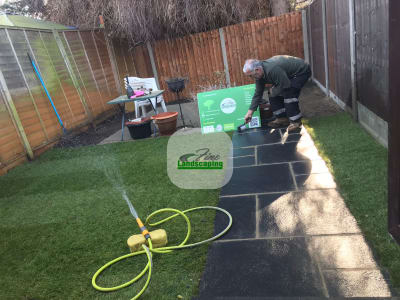
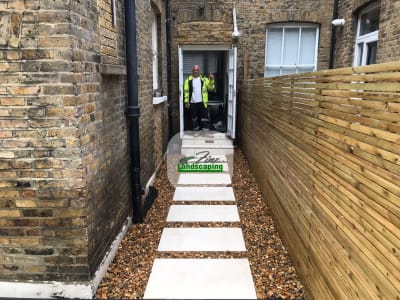
We tailor designs to mobility needs and the look of local properties. Popular choices include smooth porcelain or sawn sandstone for accessible pathways, resin-bound surfacing for seamless routes, and timber or brick-faced raised beds. Sensory planting often features lavender, rosemary, grasses and seasonal bulbs, with non-toxic selections where required. Seating can be built-in or freestanding, and shade structures range from pergolas to sail shades. We guide choices using samples and a clear maintenance plan.
Get your free, no-obligation quote today.