
Care Home Gardens in Morden that help residents enjoy the outdoors safely and comfortably. We create accessible pathways, raised beds, sensory planting and calm seating areas, built to last and easy to maintain.
Response within 24 hours
A well-planned garden can support wellbeing, routine and independence for residents and visitors alike. We design and build care home outdoor spaces across SM4, with practical layouts that feel calm and welcoming. From Morden Hall Park to Morden Park, we take inspiration from local green spaces while keeping safety and accessibility front and centre. Expect clear routes, comfortable rest points and planting that engages the senses.
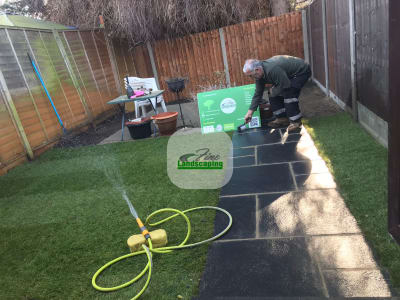
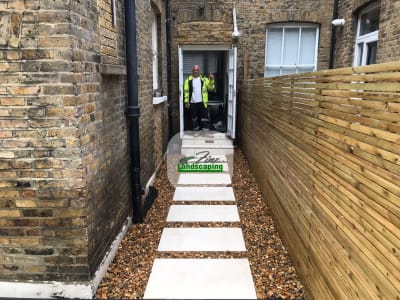
The Morden area includes 1930s semis, post-war estates and newer developments, so access and levels vary from site to site. We regularly work around narrow side passages, sloping lawns and mixed paving found in Morden Park, St Helier and Lower Morden. Our team plans path widths, turning circles and threshold details so mobility aids can move smoothly. We also specify durable finishes that cope with busy use and year-round weather.
We start with a site survey, then produce a clear design that balances safety, enjoyment and easy upkeep. Every build is managed by an experienced foreman, with tidy working practices and clear communication throughout. We use robust sub-bases, quality fixings and considered drainage so surfaces stay stable and slip-resistant. Local clients trust us for dependable scheduling, transparent options and a finish that stands up to daily use.

In the London Borough of Merton, we often find clay-heavy ground and compacted lawns, so we prioritise drainage and strong sub-bases. Parking and access can be tight near Morden station and on residential streets, so we plan deliveries and waste removal to minimise disruption. Many properties around Morden South and St Helier have level changes that benefit from handrails and gentle gradients. We also align materials and boundary treatments with local streetscapes and council expectations.


Rated 4.9/5 from over 280 verified reviews
Costs vary with size, access and specification. As a guide, a small upgrade with safer surfacing, handrails and seating might be £6,000–£15,000. A mid-sized redesign including accessible pathways, raised beds, sensory planting and lighting is often £15,000–£35,000. Larger schemes with shade structures, secure boundaries and multiple zones can be £35,000–£80,000+. We provide itemised options after a site visit.
Most projects take 1–6 weeks on site, depending on complexity. A straightforward refresh (new paths, a few raised beds and planting) can be completed in 1–2 weeks. Full redesigns with drainage, multiple seating areas, fencing, handrails and shade structures typically run 3–6 weeks. Timescales are influenced by ground conditions, access for machinery, lead times for bespoke joinery, and weather during paving and planting.
Many garden improvements are permitted development, such as paths, planting, raised beds and most fencing within height limits. However, rules can change where there are listed buildings, conservation considerations, new access points, large structures, or significant changes near boundaries. For care settings, we also consider safety and management requirements. We’ll advise early, check constraints relevant to the London Borough of Merton, and help you prepare any information needed if consent is required.
We provide a 10-year warranty on workmanship for hard landscaping elements we install, such as paving build-ups, edging, steps, handrails fixing, raised bed construction and structural timberwork. It covers defects caused by installation issues under normal use. It doesn’t cover accidental damage, misuse, extreme weather events, or natural movement outside reasonable tolerances. We also pass on manufacturer warranties for products and can offer maintenance plans to protect planting and finishes.
We tailor designs to residents’ needs and the site. Popular options include resin-bound or porcelain paths for smooth access, textured concrete or sandstone for slip resistance, and timber or masonry raised beds at wheelchair-friendly heights. Sensory planting can include lavender, rosemary, ornamental grasses and colourful perennials, while memory gardens may use familiar cottage plants. Seating can be backed benches, circular social seating or quiet nooks under pergolas. We guide choices with samples and clear pros/cons.
Get your free, no-obligation quote today.