
Care Home Gardens in Dulwich that feel calm, safe and easy to use every day. We create accessible pathways, sensory planting, raised beds and restful seating—built to last.
Response within 24 hours
Thoughtful outdoor space can transform daily life for residents, visitors and staff. Our care home garden designs prioritise clear routes, safe boundaries and places to pause, with features such as handrails, shade structures and memory gardens. We work across East Dulwich and Dulwich Village, with projects often inspired by the calm green setting around Dulwich Park. Every layout is planned to reduce trip risks while encouraging gentle movement and conversation.
Dulwich’s affluent village atmosphere and outstanding period architecture often come with larger plots and mature planting, especially around SE21 and SE22. We’re used to working alongside Georgian and Victorian houses, large detached properties and established courtyards where access can be tight. Our team balances heritage character with modern accessibility, integrating raised beds and seating areas without making the garden feel clinical. If you’re updating an older landscape, we can phase works to keep outdoor areas usable.
We start with an on-site survey, listening to care staff and families to understand mobility needs, supervision lines and daily routines. You’ll receive a clear design proposal and itemised quote, then a tidy, well-managed build with safe working zones. We use durable, slip-resistant materials and install safe boundaries and handrails to current best practice. Many clients choose us for the care home gardens dulwich area because we’re responsive, punctual and consistent from design to aftercare.

Working in the care home gardens in London Borough of Southwark means planning around controlled parking, school-run traffic near Dulwich College, and varied access to rear gardens. Dulwich plots often have mature trees and shaded corners, so we specify planting that thrives in dappled light and design shade structures where needed. We also account for drainage and root protection when upgrading paths near established borders. Deliveries and waste removal are scheduled to minimise disruption to residents and neighbours in SE24 and surrounding streets.

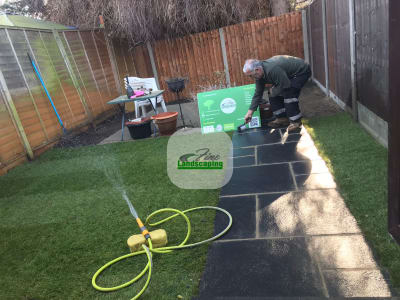
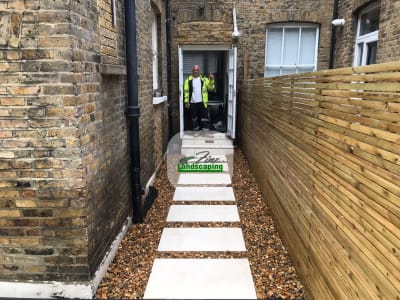

Rated 4.9/5 from over 280 verified reviews
Costs depend on access, levels and the features required. As a guide, smaller upgrades (new seating areas, sensory planting, minor path repairs) often start from £3,000–£8,000. A more comprehensive scheme with accessible pathways, raised beds, handrails, safe boundaries and lighting typically ranges from £12,000–£35,000+. Larger sites or complex groundwork can exceed this. We provide an itemised quote after a survey.
Most projects take 1–3 weeks on site, depending on the amount of paving, edging and carpentry involved. A light refresh with planting and a few raised beds may be completed in 3–5 days, while full accessibility upgrades with new pathways, drainage adjustments and multiple seating zones can take 4–8 weeks. Timescales are affected by access restrictions, weather, lead times for materials and safeguarding requirements.
Many garden improvements—planting, raised beds, most paths, seating areas and low boundaries—are usually permitted development. However, permission may be needed for taller fences, structures near boundaries, works affecting protected trees, or if the property is listed or within a conservation area (common around Dulwich). We’ll flag any likely constraints, check relevant guidance for the London Borough of Southwark, and help you proceed correctly before work begins.
We back our workmanship with a 10-year warranty on qualifying hard landscaping installations, including paving, retaining edges, steps, handrails fixings and built structures such as raised beds and pergola-style shade frames (subject to correct use and maintenance). Materials are covered by manufacturer guarantees where applicable. Planting is living material, so it’s covered separately and depends on season and aftercare. We’ll explain what’s included in writing.
We tailor designs to mobility needs and the character of the site. Popular choices include resin-bound or textured porcelain for slip resistance, smooth sandstone setts for traditional settings, and composite or hardwood for raised beds and seating. Sensory planting can include lavender, rosemary, grasses and winter-scented shrubs, while memory gardens often use familiar cottage-style favourites. We’ll present options that suit maintenance levels, shade, and safeguarding requirements.
Get your free, no-obligation quote today.