
Care Home Gardens in Bexley that help residents feel calm, independent and connected to nature. We design with accessible pathways, raised beds, sensory planting and safe boundaries. Expect thoughtful detailing, tidy workmanship and a garden that’s easy to enjoy year-round.
Response within 24 hours
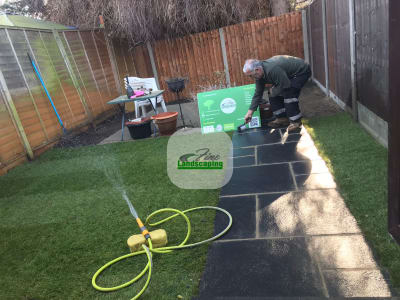
A well-planned garden can transform everyday life in a care setting, offering gentle exercise, fresh air and familiar planting. Our work around Bexleyheath and near Danson Park focuses on safe circulation, clear wayfinding and relaxing places to sit. We create seating areas, shade structures and memory gardens that support routine and reduce trip risks. Every layout is designed to be welcoming for residents, visitors and staff.
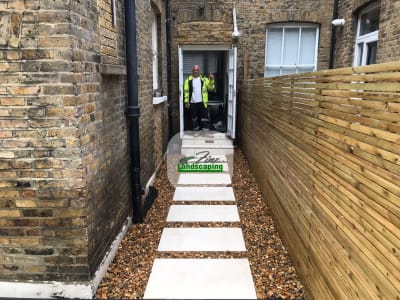
The Bexley area includes Victorian terraces, 1930s semis and modern homes, each with different access and levels. We’re used to side returns, narrow gates and sloping front-to-back gardens that need careful grading. In the DA5 postcode and surrounding streets, we often upgrade tired paving, replace uneven steps and introduce raised beds for easier gardening. The result is a space that looks premium while remaining practical for mobility aids.
We start with a site survey and a clear design plan, then schedule works to minimise disruption to residents. Safety comes first: non-slip surfaces, handrails where needed, and secure boundaries with appropriate gates. You’ll receive a written scope, transparent options and tidy handover, with aftercare advice for planting and surfaces. Many clients choose us for consistent communication, reliable timings and workmanship backed by warranty.

In the London Borough of Bexley, we often encounter mixed clay soils and compacted ground in older gardens, so drainage and levels are planned carefully. Parking and access can vary near Bexley High Street and residential closes, so we organise deliveries and waste removal to keep entrances clear. We also design around typical 1930s plot shapes and narrow side access, choosing materials that fit through gates and suit long-term use. If any works touch boundaries or public-facing areas, we’ll help you stay compliant with local requirements.


Rated 4.9/5 from over 280 verified reviews
Costs vary with size, access and specification. As a guide, a small upgrade (path repairs, seating and planting) often starts around £3,000–£7,500. Mid-size redesigns with new accessible pathways, raised beds and safe boundaries commonly fall between £8,000–£20,000. Larger schemes including shade structures, handrails, lighting and full resurfacing may be £20,000–£45,000+. We provide itemised options after a site visit.
Most projects take 1–3 weeks on site, depending on groundwork, drainage and how much surfacing is being replaced. A small accessibility improvement can be completed in a few days, while a full redesign with new paths, raised beds, fencing and pergola-style shade may take 3–6 weeks. Timescales are affected by access, weather, curing times for paving and concrete, and any specialist items such as bespoke handrails.
Many garden improvements are permitted development, such as replacing paving, adding raised beds, planting and most fencing within height limits. However, rules can change for listed buildings, conservation areas, boundary treatments facing highways, or larger structures like canopies and pergolas. For care settings, we also consider safety standards and access needs. We’ll flag likely permissions early, check relevant guidance for the London Borough of Bexley, and recommend formal advice where needed.
We provide a 10-year warranty on our installation workmanship for hard landscaping elements such as paving, edging, retaining details, raised bed construction and fencing installed by our team. It covers defects caused by installation issues, subject to normal use and appropriate maintenance. Planting is living material, so it’s covered separately and depends on watering and seasonal conditions. We’ll explain what’s included in writing, plus aftercare steps to protect your investment.
We tailor designs to mobility, safety and the look of the building. Popular choices include resin-bound or textured porcelain for accessible pathways, sandstone or concrete flags for traditional settings, and timber or masonry raised beds with smooth coping edges. Sensory planting can include lavender, rosemary, grasses and seasonal colour, while memory gardens may use familiar cottage plants. We’ll present samples, discuss maintenance levels, and recommend options that suit budget, access and resident needs.
Get your free, no-obligation quote today.