
Beckenham's Victorian terraces and Edwardian homes deserve boundary treatments that match their character. Whether you're looking to replace that crumbling 1930s garden wall or create something entirely new, local expertise makes all the difference.
Response within 24 hours
Those sloping gardens around Park Langley and the varying plot sizes near Clock House station present unique challenges for brickwork. Traditional London stock bricks remain popular here, though many homeowners are exploring contemporary alternatives. Each project requires careful consideration of ground conditions, especially given the clay-heavy soil common across BR3.
Foundation depth matters enormously when building on Beckenham's undulating terrain. Proper drainage channels prevent frost damage during those damp SE20 winters. Modern engineering bricks offer superior weather resistance compared to reclaimed materials, though matching existing brickwork often means sourcing specific clay types. Expansion joints positioned correctly eliminate future cracking issues.
Twenty years constructing walls throughout Eden Park means understanding which suppliers stock authentic yellow stocks for period properties. Local planning considerations around conservation areas get handled smoothly when you know the council's preferences.

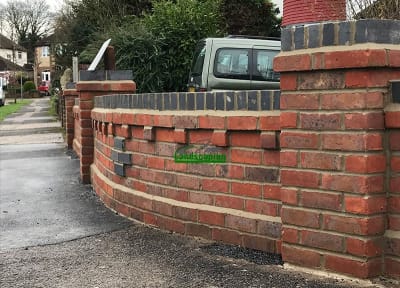
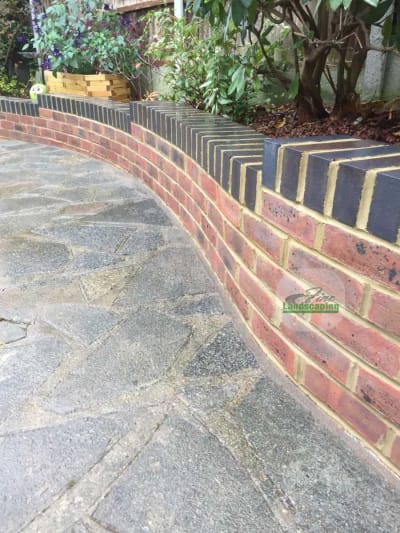

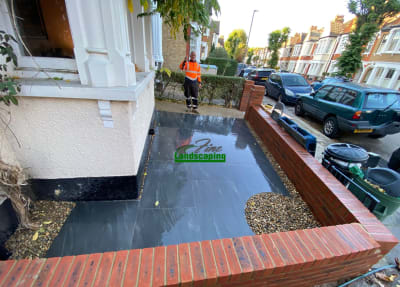
Rated 4.9/5 from over 280 verified reviews
Standard garden walls (single skin, 1.8m height) generally range £180-250 per linear metre including foundations. Double-skin construction or decorative coping stones push costs towards £300-400. Retaining walls require engineering calculations, starting around £450 per square metre.
Absolutely - from the leafy streets of BR3 to properties backing onto Crystal Palace Park in SE20. Regular work takes us through Eden Park, Clock House and Park Langley, plus neighbouring areas within a 5-mile radius.
Small boundary walls (under 10 metres) typically finish within 5-7 working days, weather permitting. Larger projects or those requiring structural engineering might extend to 2-3 weeks. Initial foundations need 48 hours minimum curing time before brickwork begins.
Every wall carries decade-long protection against structural defects. This covers foundation movement, mortar failure and brick degradation - essentially anything beyond normal weathering. Documentation provided matches insurance requirements.
Often, yes. Repointing deteriorated mortar joints restores stability in many cases. Localised rebuilding of damaged sections proves more economical than full replacement. Free assessment determines whether repair makes financial sense versus starting fresh.
Get your free, no-obligation quote today.