
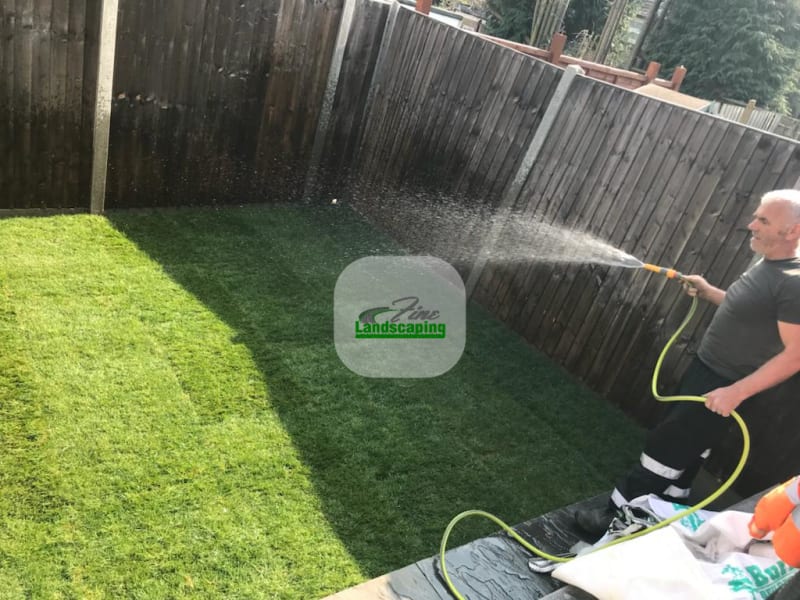
As March arrives and the first signs of spring emerge across South London and Surrey, many homeowners turn their attention to their gardens. After months of winter weather, lawns often look worse for wear—patchy, muddy, and in desperate need of rejuvenation. If your garden is crying out for transformation, spring turfing could be exactly what you need.
Spring offers ideal conditions for laying new turf, with warming soil temperatures and typically reliable rainfall in the South East creating the perfect environment for grass to establish strong roots. Whether you're starting from scratch or replacing tired, worn areas, understanding the timing and techniques involved in spring turfing will help ensure your garden flourishes throughout the growing season.
Why Spring Is Perfect for Laying Turf
Timing is everything when it comes to turfing, and spring presents several advantages that make it one of the best seasons for this garden transformation. The soil temperature in Surrey and South London typically begins to rise in March, encouraging rapid root development—essential for newly laid turf to establish successfully.
Unlike autumn turfing, which relies on roots establishing before winter dormancy, spring-laid turf benefits from the entire growing season ahead. Your new lawn will develop a robust root system throughout spring and summer, creating a resilient foundation that can withstand the demands of family life, from children playing to summer garden parties.
Another significant advantage is moisture availability. Spring showers are famously common across the South East, providing natural irrigation that reduces the watering burden on homeowners. However, don't rely solely on rainfall—we'll discuss proper watering requirements later in this article.
Preparing Your Garden for New Turf
Proper preparation is absolutely critical to turfing success. Rushing this stage is the most common mistake homeowners make, and it can result in an uneven, poorly established lawn. Here's what you need to do:
- Clear the area completely: Remove all existing grass, weeds, stones, and debris. For larger gardens common in Surrey, this can be labour-intensive, but thoroughness here pays dividends later.
- Address drainage issues: Heavy clay soils prevalent in parts of South London can cause waterlogging. If your garden has poor drainage, consider incorporating sand or installing drainage solutions before turfing.
- Cultivate and level the soil: Dig over the area to at least 15cm depth, breaking up compacted soil. Remove any remaining stones and create a fine, level surface using a rake. Your finished soil should be firm but not compacted—imagine the consistency of a sponge cake.
- Apply appropriate soil amendments: Depending on your soil type, you may need to add organic matter or a pre-turfing fertiliser to give your new lawn the best possible start.
- Create the correct level: Ensure the finished turf level will sit slightly below any paving or edging—approximately 2cm lower—to account for the turf thickness.
At Fine Landscaping, we often see homeowners underestimate the importance of ground preparation. Our team regularly works across South London and Surrey, and we've found that investing time and effort in this preparatory phase makes the difference between a mediocre lawn and an exceptional one.
Laying Turf: Getting It Right First Time
Once your ground is properly prepared, the actual turfing process needs to happen quickly. Turf is a living product and deteriorates rapidly once harvested, so timing your delivery is crucial. Aim to lay turf on the same day it arrives, or within 24 hours at most.
Begin laying turf along the longest straight edge of your garden, typically against a path or patio. Work in a brick-bond pattern, ensuring joins are staggered rather than aligned, which helps prevent visible seams developing as the turf establishes. Use whole turves around the perimeter and save cut pieces for less visible central areas.
Press each turf firmly into place, ensuring good contact between the turf roots and the prepared soil beneath. Small gaps between turves are acceptable—these will fill in as the grass grows—but avoid stretching turves to fit, as this creates weak points.
Water immediately after laying. This first watering is absolutely essential and should be generous, ensuring water penetrates through the turf and into the soil beneath.
Aftercare: Nurturing Your New Lawn
The first few weeks after laying are critical for establishment. During this period, your new turf is developing the root system that will sustain it for years to come. Here's how to give it the best chance:
Watering: Keep the turf consistently moist for the first fortnight, watering daily during dry spells. After two weeks, gradually reduce frequency but increase the amount applied—this encourages deeper root growth. Even with typical spring rainfall in the South East, newly laid turf often requires supplementary watering.
First mow: Wait until the grass reaches approximately 5-6cm before mowing, typically 2-3 weeks after laying. Set your mower to its highest setting for this first cut, removing no more than one-third of the grass height.
Minimize traffic: Keep off newly laid turf as much as possible for at least two weeks. It needs time to root into the soil beneath, and excessive foot traffic can disrupt this process.
Watch for issues: Check regularly for signs of problems such as yellowing (often indicating insufficient water) or lifting edges (suggesting poor soil contact or lack of moisture).
Professional Support When You Need It
While many homeowners successfully lay their own turf, the process requires physical effort, proper timing, and attention to detail. For larger gardens or if you're uncertain about any aspect of the process, professional help can ensure perfect results.
Fine Landscaping has extensive experience with spring turfing projects throughout South London and Surrey. We understand local soil conditions, can source high-quality turf suitable for our climate, and have the expertise to handle everything from ground preparation through to aftercare advice.
As we move through March and into April, conditions across the South East will only improve for turfing. If you're considering transforming your garden this spring, now is the time to start planning. Whether you're tackling the project yourself or seeking professional assistance, a beautifully turfed lawn can become the centrepiece of your garden, providing a lush green space for your family to enjoy throughout the summer months ahead.