
As March arrives and spring begins to transform gardens across South London and Surrey, many homeowners are eager to get back outdoors and prepare their spaces for the growing season ahead. Whilst we're all focusing on pruning, planting, and tidying borders, there's one crucial aspect that often gets overlooked until it becomes a problem: garden drainage.
After the typically wet winters we experience in the South East, proper drainage becomes absolutely essential for ensuring your garden thrives throughout spring and summer. Poor drainage can lead to waterlogged lawns, damaged plant roots, and even structural issues affecting patios and foundations. The good news? March is the perfect time to assess and address any drainage concerns before the April showers arrive in earnest.
Why Spring Is the Ideal Time to Address Drainage Issues
Spring presents a unique window of opportunity for drainage work in our region. The ground has typically absorbed considerable moisture over winter, making it easier to identify problem areas where water pools or drains slowly. At the same time, we're not yet into the peak growing season, so any necessary work can be completed without disturbing established summer displays.
In South London and Surrey, our heavy clay soils are particularly prone to drainage problems. Unlike sandy or loamy soils that allow water to percolate through easily, clay holds onto moisture, creating that characteristic boggy feel underfoot. If you've noticed standing water in your garden after rainfall, or if certain areas remain squelchy well after the rain has stopped, you're likely dealing with a drainage issue that needs attention.
Addressing these problems now means your plants will have the well-drained conditions they need to establish strong root systems as temperatures rise. It also prevents the frustration of dealing with muddy patches just when you want to be enjoying your garden most.
Signs Your Garden Needs Better Drainage
Before you can solve a drainage problem, you need to identify it. Here are the telltale signs that your garden would benefit from improved drainage:
- Persistent puddles: Water that remains pooled for more than 24 hours after rainfall indicates poor drainage
- Moss and algae growth: These thrive in consistently damp conditions and often appear on lawns with drainage issues
- Struggling plants: Yellowing leaves, stunted growth, or plants that seem to rot at the base often signal waterlogged roots
- Soggy, compacted lawns: If your lawn feels spongy underfoot or water squelches up when you walk on it, drainage improvements are needed
- Unpleasant odours: Stagnant water in poorly drained soil can create unpleasant smells, particularly in warmer weather
- Cracking or sinking patios: Water pooling beneath hard surfaces can cause subsidence and structural damage over time
Take a walk around your garden on a day shortly after rainfall and make note of any areas exhibiting these symptoms. This will help you prioritise which areas need attention most urgently.
Practical Steps to Improve Garden Drainage
For minor drainage issues, there are several approaches homeowners can take themselves. Aerating compacted lawns using a garden fork or mechanical aerator allows water to penetrate more easily. Working organic matter such as compost or well-rotted manure into clay-heavy borders improves soil structure and drainage over time.
Creating shallow drainage channels or swales can redirect water away from problem areas towards more suitable drainage points. These can be disguised with attractive planting, turning a practical solution into a design feature. Installing rain gardens—planted depressions that temporarily hold and absorb rainwater—is another increasingly popular solution that adds both function and beauty.
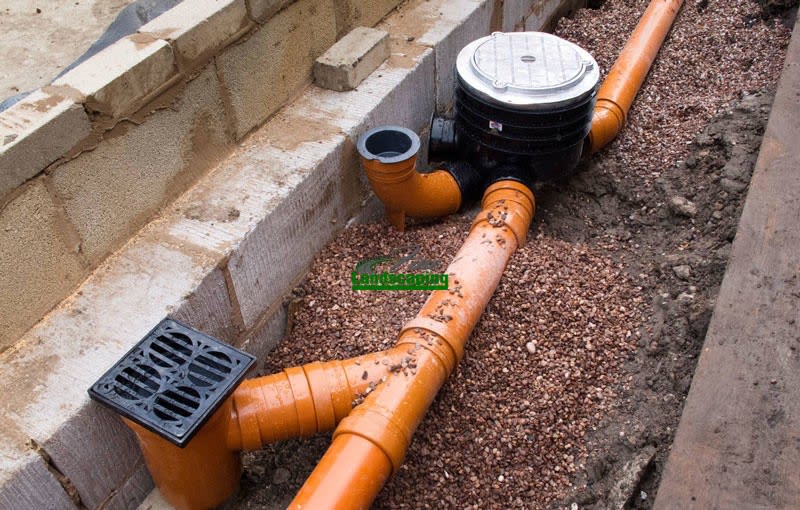
However, more significant drainage problems often require professional intervention. French drains, soakaways, and comprehensive drainage systems need to be properly designed and installed to ensure they function effectively and comply with building regulations. This is particularly important in our area, where local water tables and the specifics of our clay-rich soil need to be taken into account.
When to Call in the Professionals
Whilst some drainage improvements are well within the scope of keen gardeners, others really do benefit from professional expertise. If you're dealing with large areas of standing water, drainage issues affecting your home's foundations, or you're simply not sure what the underlying problem is, it's worth consulting specialists who understand the particular challenges of South London and Surrey gardens.
At Fine Landscaping, we've worked with countless local gardens facing drainage challenges, from compact urban plots in Tooting and Clapham to larger properties across Surrey's green belt. Our team understands how local soil types, topography, and climate patterns affect drainage, and we can design solutions that work with your garden's specific conditions rather than against them.
Professional drainage work typically involves a thorough site assessment, identification of water flow patterns, and installation of appropriate drainage infrastructure. This might include perforated pipes, gravel-filled trenches, or connection to existing drainage systems. The investment in proper drainage now will pay dividends for years to come, protecting your plants, your lawn, and your property.
As we move further into spring and start planning our gardening activities for the months ahead, take time to assess your garden's drainage. Those soggy patches and persistent puddles won't resolve themselves, and addressing them now will set your garden up for success throughout the growing season. Whether you tackle minor improvements yourself or bring in experts for more complex solutions, your plants—and your wellies—will thank you for it.