
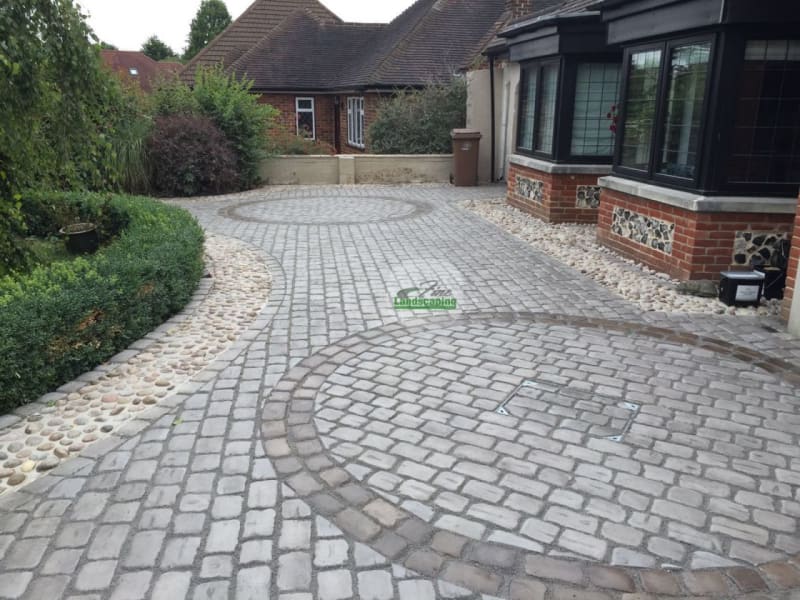
Spring 2026 is proving to be one of the busiest seasons we've seen for driveway installations across Streatham. With the warmer weather arriving and many SW16 homeowners planning exterior improvements, resin driveways have become the material of choice for properties from the grand Victorians along Streatham Common North to the 1930s semis tucked away on quieter side streets.
But before you commit to a resin driveway, there are some crucial considerations specific to Streatham that you need to understand. The area's unique mix of property types, soil conditions, and London Borough of Lambeth regulations all play a significant role in determining whether resin is the right choice for your property.
Why Streatham Properties Are Switching to Resin
We've completed numerous Driveways in Streatham over the past year, and the trend towards resin is unmistakable. The reasons are particularly relevant to SW16 homeowners.
Along the Streatham High Road and the A23 corridor, front gardens face constant traffic pollution and vibration damage. Traditional concrete or tarmac surfaces develop cracks quickly here, creating an unsightly appearance and trapping debris. Resin-bound surfaces remain flexible enough to withstand the vibrations from heavy traffic while maintaining their appearance.
For the large Victorian and Edwardian properties that have been converted into flats—particularly common along Leigham Court Road and the streets radiating from Streatham Common—resin offers a low-maintenance solution that doesn't require agreement between multiple flat owners for regular repairs. Once installed properly, it requires minimal upkeep for 15-20 years.
Understanding Streatham's Soil and Drainage Challenges
One of the most critical factors we consider when installing resin driveways in SW16 is the soil composition. Streatham sits on particularly challenging ground conditions that directly impact driveway installation.
Most of the area has heavy London clay—that sticky, compactable material that expands when wet and contracts when dry. This creates movement in driveways throughout the seasons, which is why proper groundwork is absolutely essential. We've seen numerous failed DIY installations where inadequate sub-base preparation on clay soil has led to cracking and subsidence within months.
The Common Factor
Properties closer to Streatham Common benefit from better natural drainage due to glacial sand and gravel deposits that overlie the clay here. If your property is near The Rookery or along Streatham Common North, you'll typically need less extensive drainage work than properties further south towards Streatham Hill.
We always recommend a minimum 150mm sub-base for Streatham's clay soil, and often specify 200mm for larger vehicles. It's the foundation everything else depends on—cutting corners here will cost you far more in the long run.
The varying soil conditions mean that two properties just streets apart might require significantly different groundwork. This is why we always conduct a thorough site survey before providing quotes—something we cover in more detail in our complete guide for South London.
Conservation Area Considerations in SW16
A significant number of Streatham properties fall within conservation areas, and this has important implications for driveway installations. The Streatham Common Conservation Area, Streatham Lodge Conservation Area, and Streatham High Road Conservation Area all have specific planning requirements.
If you're installing a new driveway where there wasn't one before, or significantly increasing the paved area, you'll likely need planning permission from the London Borough of Lambeth. This is particularly relevant for the Victorian properties along the common where front gardens are often characteristically planted with mature trees.
Resin driveways can actually work in your favour here. Because they're permeable, they meet sustainable drainage requirements that solid surfaces don't. We've successfully obtained planning permission for several properties in conservation areas by specifying resin-bound surfaces that maintain permeability while providing the modern functionality homeowners need.
Resin Bound vs Resin Bonded: What's Right for Streatham Properties?
There's often confusion between these two types of resin surfacing, and choosing the wrong one for your Streatham property can be an expensive mistake.
| Feature | Resin Bound | Resin Bonded |
|---|---|---|
| Permeability | Fully permeable (SUDS compliant) | Non-permeable |
| Surface Finish | Smooth, flush | Textured, loose stones |
| Cost per m² | £80-£120 | £45-£70 |
| Maintenance | Low (occasional cleaning) | Higher (loose stones need replacement) |
| Lifespan | 15-20 years | 8-12 years |
For most SW16 properties, we recommend resin-bound surfacing. It's particularly suitable for the divided driveways common in converted Victorian properties, where loose stones from bonded surfaces would create disputes between flat owners. The smooth finish also prevents the fox digging problems that plague Streatham gardens—loose stones provide perfect digging material for urban foxes.
Typical Costs for Streatham Driveways in Spring 2026
Pricing for resin driveways in SW16 varies based on several factors, but we can provide realistic guidelines based on recent projects we've completed.
The 1930s semi-detached properties on the quieter side streets typically have 30-40m² driveways. For these, you're looking at £2,800-£4,500 depending on existing base condition and access.
The larger Victorian properties along Streatham Common North often have driveways of 60-100m², putting costs at £5,500-£10,000. These properties frequently require more extensive groundwork due to the age of existing surfaces and the presence of mature tree roots that need to be worked around.
What Affects Your Quote?
- Existing surface condition: Properties with damaged tarmac require full excavation; stable concrete can sometimes be overlaid
- Access issues: Narrow side passages common in converted properties increase labour costs
- Drainage requirements: Clay-heavy sites need more comprehensive drainage systems
- Edge details: Period properties often require traditional brick edging to match existing features
- Colour and aggregate choice: Natural stone aggregates cost more than standard options but suit conservation area properties better
A Recent Streatham Project: Converting Shared Space
Last autumn, we completed a particularly interesting project that illustrates many of the challenges specific to SW16. A six-flat converted Victorian house on Leigham Court Road had a large front area that had become a source of constant disputes between residents.
The existing tarmac was cracked and uneven, with different flat owners parking in unmarked spaces that led to regular disagreements. Water pooled near the building after rain, and the entire area looked tired and unwelcoming.
We worked with the residents to create a shared garden agreement that defined parking zones with different coloured resin-bound surfacing. Each parking bay uses a subtle variation of natural stone aggregate—golden tones for some, grey for others—that clearly delineates spaces without looking garish.
Between the parking areas, we installed permeable gravel paths leading to communal seating areas and shared herb beds. Each flat also received a defined planting space for personal gardening. The entire surface is now fully permeable, which solved the drainage issues and satisfied Lambeth Council's sustainable drainage requirements.
The project transformed not just the physical space but the relationship between residents. Clear boundaries reduced conflicts, and the shared planting areas have become a focal point for community interaction.
Why Spring 2026 Is the Perfect Time for Installation
We're seeing exceptional weather conditions this April, and it's creating ideal circumstances for resin driveway installation across Streatham.
Resin-bound surfaces require dry conditions during installation and the initial curing period. The stable spring weather means we can schedule work with confidence, avoiding the summer downpours that can delay projects or the winter frost that makes groundwork challenging on clay soil.
Spring installation also means your new driveway will be fully cured and ready to withstand the heavier use of summer months. If you're planning garden improvements—perhaps inspired by a visit to The Rookery gardens—coordinating driveway work with landscaping projects makes logistical sense.
Common Mistakes to Avoid in SW16
Having completed dozens of resin driveway projects across Streatham, we've also seen plenty of problems that could have been avoided.
Inadequate Groundwork on Clay Soil
The single biggest cause of premature failure is cutting corners on the sub-base. Streatham's heavy clay needs substantial preparation—typically a well-compacted 150-200mm sub-base with proper drainage. Skimping here to save a few hundred pounds will cost thousands in repairs within a few years.
Ignoring Tree Roots
The mature London plane and lime trees that characterise front gardens along Streatham Common North are beautiful, but their roots extend far beyond the canopy. We regularly encounter root damage to driveways where installers haven't properly assessed root locations. Permeable resin surfaces can work around roots better than solid surfaces, but proper planning is essential.
Choosing the Cheapest Quote
We've repaired numerous failed installations where homeowners selected the lowest quote without understanding what was—or wasn't—included. A proper installation requires skilled groundwork, quality materials, and experienced installers. If a quote seems significantly cheaper than others, there's usually a reason.
What Streatham Neighbours Are Choosing
Aggregate colour and style choices in SW16 tend to reflect the area's character. For the Victorian and Edwardian properties, we're seeing strong preference for natural stone aggregates in golden and honey tones that complement the London stock brick common in the area.
The 1930s properties often opt for lighter grey or silver aggregates that suit their more modern aesthetic. Near the new developments around Streatham Hub, contemporary colour mixes with contrasting borders are popular.
Across all property types, there's been a shift away from bright white aggregates—they show dirt quickly on the traffic-heavy roads around St Leonard's Church and require more maintenance than mid-tone options.
Ready to Transform Your Streatham Driveway?
We offer free, no-obligation site surveys across SW16 and surrounding areas including Norbury, Streatham Hill, and Mitcham. Our experienced team will assess your property's specific requirements and provide a detailed quote with no hidden costs.
Working With Lambeth Council Requirements
The London Borough of Lambeth has become increasingly focused on sustainable drainage and reducing surface water runoff. This actually makes resin-bound driveways more attractive from a planning perspective.
If you're removing a front garden to create or expand a driveway, you must ensure the surface is permeable or that adequate drainage is provided. Resin-bound surfaces meet these requirements automatically when properly installed over an appropriate sub-base.
For properties in conservation areas, we always recommend scheduling a pre-application discussion with Lambeth's planning team. This informal process can save time and money by identifying any concerns before you submit a formal application. We're happy to attend these meetings with clients—we've built good relationships with the planning team over years of working in the area.
Maintenance and Longevity in the SW16 Environment
One of resin's major advantages for Streatham properties is its low maintenance requirements—particularly important for converted properties where coordinating between multiple flat owners for regular maintenance is challenging.
An occasional pressure wash (we recommend once or twice yearly) keeps the surface looking fresh. The areas along the A23 corridor may benefit from more frequent cleaning due to traffic pollution, but this is still far less demanding than the crack-filling and resurfacing traditional tarmac requires.
The UV-stable resins we use resist the colour fading that plagued earlier generations of resin surfaces. Even after 10-15 years, properly installed driveways retain their appearance with minimal intervention.
We've gone back to properties we installed five years ago and been genuinely impressed by how well they've weathered the Streatham environment. The combination of traffic vibration, pollution, and our heavy clay soil is demanding, but quality resin installations handle it all.
If you're considering a resin driveway for your SW16 property this spring, now is the perfect time to get a free quote and take advantage of ideal installation conditions. Whether you're in a Victorian conversion on Leigham Court Road, a 1930s semi near the common, or one of the modern developments, we can design and install a solution that works for your specific property and requirements.
Frequently Asked Questions
How much does a resin driveway cost in Streatham?
For SW16 properties, expect to pay £80-£120 per square metre for resin-bound surfacing including groundwork. A typical 50m² driveway costs £4,500-£6,000 installed, though this varies based on existing surface condition, soil type, and access. Properties on heavy clay soil or those requiring extensive drainage work may cost more due to the additional groundwork required.
Do I need planning permission for a resin driveway in Streatham?
If you're replacing an existing driveway with permeable resin-bound surfacing, you typically don't need planning permission. However, if you're creating a new driveway or your property is in one of Streatham's conservation areas (Streatham Common, Streatham Lodge, or Streatham High Road Conservation Areas), you should check with the London Borough of Lambeth before proceeding. Properties creating new driveways over 5m² of non-permeable surface require planning permission regardless of location.
How long does resin driveway installation take in SW16?
A typical residential driveway takes 3-5 days from excavation to completion. Properties on Streatham's heavy clay soil may require an additional day for drainage installation and sub-base preparation. The resin surface itself is laid in one day, but requires 24-48 hours curing time before use. Spring 2026's stable weather conditions are reducing delays, making this an ideal time for installation.
Will a resin driveway work with Streatham's clay soil?
Yes, but proper groundwork is essential. Streatham's heavy London clay expands and contracts with moisture changes, which can damage poorly installed surfaces. We install a minimum 150mm compacted sub-base with appropriate drainage to prevent movement. Properties closer to Streatham Common benefit from better natural drainage due to glacial sand and gravel deposits, while properties towards Streatham Hill typically require more extensive drainage solutions.
How does a resin driveway cope with London plane tree roots?
The mature London plane and lime trees common along Streatham Common North require careful planning. Resin-bound surfaces are more flexible than concrete and can accommodate minor root movement better than rigid materials. However, significant roots must be identified during site survey and worked around with appropriate root barriers or surface adjustments. The permeable nature of resin also allows water and air to reach tree roots, which is important for maintaining tree health in conservation areas.