
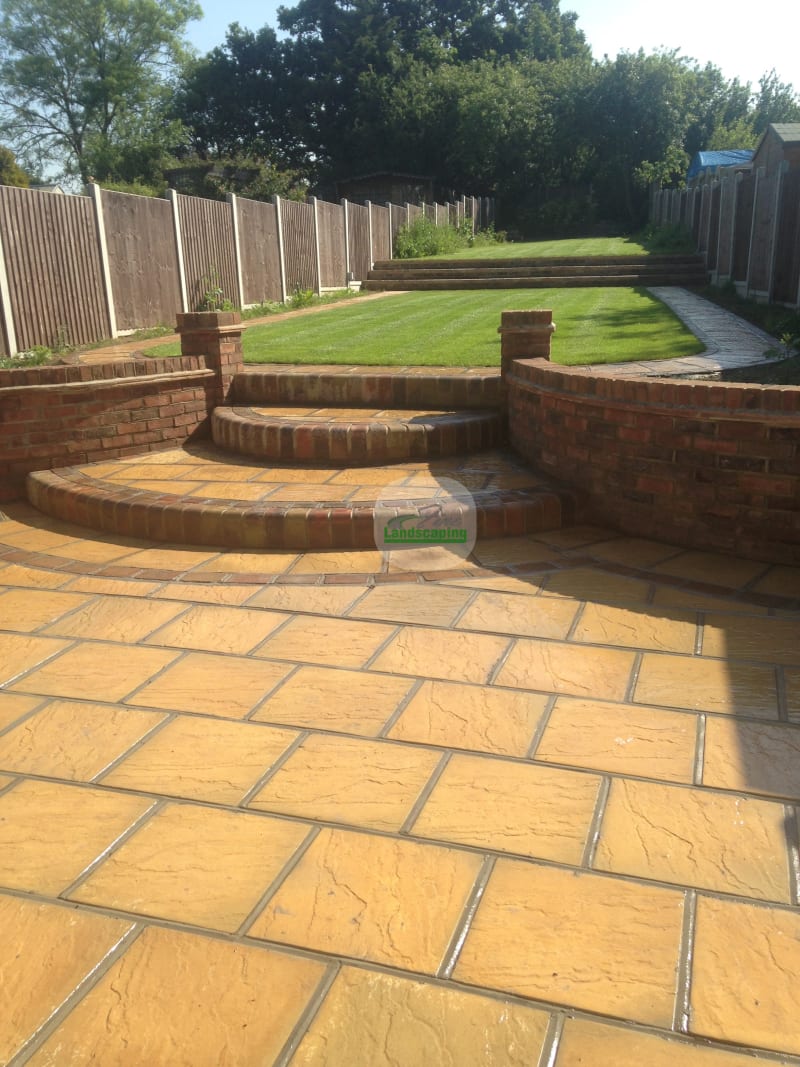
Clapham's Georgian and Victorian properties are architectural treasures, but their gardens often struggle to balance period charm with contemporary lifestyle needs. As we head into summer 2026, SW4 homeowners are increasingly looking for garden designs that respect their property's heritage whilst creating functional outdoor living spaces perfect for entertaining.
The challenge is real: how do you modernise a classic London rear garden behind a Victorian terrace without losing the character that makes Clapham special? We've been designing gardens across the Clapham Conservation Area and Abbeville Road for years, and we've learned what works—and what doesn't—when it comes to period properties.
Understanding Clapham's Unique Garden Character
Most period gardens in Clapham share similar characteristics that define how we approach modern design. The typical rear garden behind terraces along The Pavement or Old Town stretches 12-20 metres deep, enclosed by high Victorian brick walls that create sheltered sun traps—ideal for summer entertaining but presenting specific design challenges.
The soil conditions across SW4 are classic London clay over gravel, which is acidic with moderate drainage where gravel is present. This affects plant selection significantly, especially if you're aiming for that Mediterranean look that's become popular in recent years.
Creating Zones for Summer Living
The beauty of Clapham's longer rear gardens is the opportunity to create distinct zones without feeling cramped. Modern garden design for period properties works best when you establish clear purposes for different areas whilst maintaining visual flow.
The Dining Zone
Positioning is everything. In gardens off Clapham Common North Side, we typically locate dining areas in the middle third of the garden where you get afternoon and evening sun without being overlooked. Natural stone patios work beautifully with period properties—York stone or Indian sandstone complement Victorian brick walls perfectly whilst providing a stable, level surface for furniture.
We recently completed a project off Abbeville Road that illustrates this perfectly: premium Millboard composite decking with frameless glass balustrade created an elevated dining platform that didn't compete with the period architecture. The composite material means zero maintenance whilst maintaining that natural timber aesthetic.
The Lounge Zone
Built-in seating has become increasingly popular in Clapham gardens, particularly for Edwardian mansion flat developments where garden space is more limited. Rendered brick seating walls with cushions create permanent, weather-resistant furniture that doesn't need moving for winter.
Consider incorporating garden walls at varying heights to create intimate seating nooks. In longer gardens, positioning a lounge area at the far end under pergola structures adds depth and draws people through the space.
The Cooking Zone
Outdoor kitchens have exploded in popularity since 2024, and Clapham's sheltered rear gardens are perfect for them. The key is integration—a well-designed outdoor kitchen should feel like a permanent feature, not an afterthought.
| Kitchen Element | Typical Cost | Best for Clapham Gardens |
|---|---|---|
| Built-in BBQ | £2,500-£5,000 | Brick or rendered block matching boundary walls |
| Pizza Oven | £1,800-£4,000 | Standalone units on stone bases |
| Bar/Prep Area | £3,000-£6,000 | Natural stone worktops with storage beneath |
| Full Kitchen Unit | £8,000-£15,000 | Stainless steel with brick housing |
Material Choices That Honour Period Features
This is where many modern garden designs fail with period properties—choosing materials that clash rather than complement. Our Garden Design in Clapham projects always start with analysing the existing architecture.
Paving and Hard Surfaces
Victorian and Georgian properties demand natural materials for primary surfaces. Indian sandstone in grey or buff tones harmonises beautifully with London stock brick, whilst York stone (though pricier at £90-£140 per m²) offers unmatched authenticity for grand villas near Clapham Common.
For contemporary contrast that still works, porcelain paving in large format (900x600mm or larger) provides a clean, modern look whilst offering superior stain resistance—important for entertaining. We've used anthracite grey porcelain extensively in Balham and Clapham with excellent results.
Boundary Treatments
Those Victorian brick walls are garden assets—don't hide them. Instead, consider repointing with lime mortar (essential for period properties) and using climbing plants strategically. Star jasmine, climbing hydrangea, and roses work wonderfully without causing structural damage like ivy can.
Where walls need refreshing, we often recommend specialist brick cleaning rather than painting. Limewash is acceptable if you want a Mediterranean look, but check conservation area guidance first if you're in the Abbeville Road area.
Planting for Period Gardens With Modern Flair
Modern doesn't mean minimalist. Clapham's period gardens benefit from abundant planting that softens hard landscaping and creates that essential English garden character—just with a contemporary plant palette.
Dealing with London Clay
The acidic clay soil across SW4 determines what thrives here. Work with it rather than against it—choose plants that tolerate clay conditions or invest in serious soil improvement (at least 300mm depth of quality topsoil for planting beds).
Mediterranean-style schemes have become hugely popular post-pandemic, but they require excellent drainage. That Abbeville Road project we completed used 600mm depth of improved soil mixed with horticultural grit for lavender, rosemary, and olive trees—creating that relaxed, holiday feel whilst surviving London winters.
We always test drainage before designing planting schemes. In areas near Clapham Common where tree roots from the park affect foundations, drainage can be severely compromised—you need to know what you're working with before selecting plants.
Plant Palette for Period Properties
- Structural evergreens: Box balls, yew, Portuguese laurel for year-round form
- Romantic perennials: Nepeta, Geranium, Salvia—soft, billowing forms that suit period gardens
- Ornamental grasses: Stipa, Miscanthus for movement and contemporary texture
- Statement trees: Multi-stem Amelanchier, Betula (birch), or pleached Hornbeam for boundaries
- Climbers: Star jasmine (evergreen, fragrant), climbing roses, Trachelospermum
Lighting for Atmosphere and Function
Professional lighting transforms period gardens once the sun sets—essential for maximising use during summer evenings. Modern LED technology means you can achieve sophisticated effects without the running costs or heat of older systems.
For Victorian and Georgian properties, we recommend layering different lighting types: uplighting on walls and trees for drama, path lighting for safety, and subtle downlighting over dining areas. Warm white (2700-3000K) suits period properties far better than cool white.
Discreet fixtures are crucial—visible modern light fittings can jar with period architecture. We use recessed uplighters, hidden strip lighting under coping stones, and vintage-style festoon lights where decorative elements are desired.
Common Mistakes to Avoid
After years working on period properties across Clapham, Battersea, and Brixton, we've seen recurring issues that undermine otherwise good designs.
Ignoring Drainage Issues
This is the biggest problem we encounter in SW4. The trend for basement extensions has disrupted drainage across neighbouring properties—water that previously dispersed now pools in unexpected places. Never assume existing drainage works; always conduct flow tests during design stages.
We've had to redesign several gardens off Old Town where neighbouring basement works altered garden levels, requiring new drainage channels and soakaways to prevent waterlogging.
Over-Modernising
Stark, minimalist designs rarely work with period properties. That doesn't mean you can't have contemporary elements, but they need careful integration. Glass balustrades work when paired with traditional materials; concrete and steel need softening with abundant planting.
Neglecting Party Wall Considerations
Terraced properties mean shared walls—and shared responsibilities. If you're planning substantial boundary work, particularly replacing or raising fencing or walls, you'll likely need Party Wall Act notices. Factor this into timelines; disputes can delay projects by months.
Forgetting Maintenance Reality
High property values in Clapham drive demand for premium finishes, but consider ongoing upkeep. Natural stone requires periodic sealing, timber decking needs annual treatment, and complex planting demands regular attention. Be honest about the time you'll commit to maintenance—we can design accordingly.
Planning and Permissions
Most garden improvements in Clapham fall under permitted development, but conservation area status adds complexity. The London Borough of Lambeth has specific requirements for work visible from public spaces.
Front gardens with original chequerboard tiling require particular care—removal or alteration may need consent. Similarly, if your property is listed (several examples exist near Holy Trinity Church and around The Bandstand area), even garden structures may need listed building consent.
Garden rooms and substantial structures over 2.5 metres height typically require planning permission. However, garden rooms under permitted development limits can usually proceed without formal application—though conservation areas have additional restrictions.
The Design and Installation Process
Professional Garden Design services for period properties follow a structured process that ensures the final result honours your home's character whilst meeting contemporary needs.
- Site Survey and Analysis: We assess soil conditions, drainage, sun patterns, and existing features. For period properties, this includes evaluating original elements worth preserving.
- Concept Design: Initial ideas showing spatial layout, materials, and planting themes. This stage establishes whether the design direction suits your property's character.
- Detailed Design: Precise plans with exact specifications, levels, and materials. Essential for accurate quotations and avoiding surprises during construction.
- Permissions and Approvals: Handling any necessary planning applications or party wall notices before work begins.
- Construction: Phased installation starting with groundworks, drainage, then hard landscaping, finally planting and finishing touches.
For a typical Clapham rear garden (15m x 7m), expect 3-4 weeks for full installation including patio, planting, and features. Larger projects with outdoor kitchens or significant structural work may take 6-8 weeks.
More detail on the full design process is available in our complete guide for South London.
Maximising Small Garden Spaces
Modern apartment developments in Clapham often feature smaller gardens than traditional terraces. These compact spaces demand clever design to create functional entertaining areas without feeling cramped.
Vertical planting becomes essential—wall-mounted planters, climbing plants on trellis, and green walls add lushness without consuming floor space. Built-in seating with storage underneath maximises utility, whilst mirrors strategically placed on boundary walls create illusions of depth (though use cautiously to avoid confusing wildlife).
Light colours for paving and walls make spaces feel larger. Pale Indian sandstone or light grey porcelain reflects more light than darker materials, particularly valuable in north-facing gardens common in mansion flat conversions.
Ready to Transform Your Clapham Garden?
Whether you're working with a classic Victorian terrace garden or a contemporary flat development, we create designs that respect Clapham's period character whilst delivering modern functionality perfect for summer entertaining. Our local knowledge of SW4 properties, conservation requirements, and soil conditions ensures designs that work practically and aesthetically.
Get Free QuoteFrequently Asked Questions
How much does garden design cost for a period property in Clapham?
Professional garden design fees in SW4 typically range from £800-£2,500 depending on garden size and complexity, with full design including surveys, concept plans, and detailed specifications. Complete installation costs vary significantly based on materials and features, but expect £15,000-£35,000 for a comprehensive redesign of a typical 15m x 7m rear garden including quality paving, planting, and features like outdoor kitchens. Smaller refresh projects focusing on one area might start from £5,000-£8,000.
Do I need planning permission for garden changes in Clapham Conservation Area?
Most rear garden improvements don't require planning permission, even in conservation areas, as they're not visible from public spaces. However, front garden alterations, removing original features like chequerboard tiling, or building structures over 2.5 metres height typically need Lambeth Council approval. Garden rooms exceeding permitted development limits or any work to listed buildings also requires consent. We recommend checking with Lambeth's planning department before starting work on anything substantial or visible from the street.
What planting works best with Clapham's London clay soil?
London clay is heavy and moisture-retentive, so choose plants that tolerate these conditions: roses, Geranium, Nepeta, Hydrangea, and most traditional English garden perennials thrive here. For Mediterranean schemes that have become popular, you'll need to improve drainage significantly by incorporating grit and raising beds with at least 300-400mm of improved topsoil. Structural evergreens like box, yew, and Portuguese laurel all handle clay well and provide year-round interest essential for period garden designs.
How do basement extensions affect garden drainage in neighbouring Clapham properties?
Basement extensions have become extremely common across Clapham, and they frequently disrupt natural drainage patterns in adjoining gardens. Excavated properties essentially create underground barriers that redirect water flow, often causing pooling or waterlogging in neighbouring gardens that previously drained perfectly. Before designing any new garden in SW4, we always conduct drainage tests and may need to install new soakaways, French drains, or surface water channels to manage altered water flow—particularly important for patio areas and planting beds.
How long does a complete garden redesign take in Clapham?
From initial consultation to completion, expect 8-12 weeks for a typical Clapham period property garden. The design phase takes 2-4 weeks, allowing time for surveys, concept development, and detailed specifications. Any planning permissions or party wall notices add 4-8 weeks. Physical construction typically takes 3-4 weeks for standard rear gardens, though larger projects with complex features like outdoor kitchens, extensive drainage work, or significant structural elements may extend to 6-8 weeks. Weather, material availability, and conservation area approvals can affect timelines.