
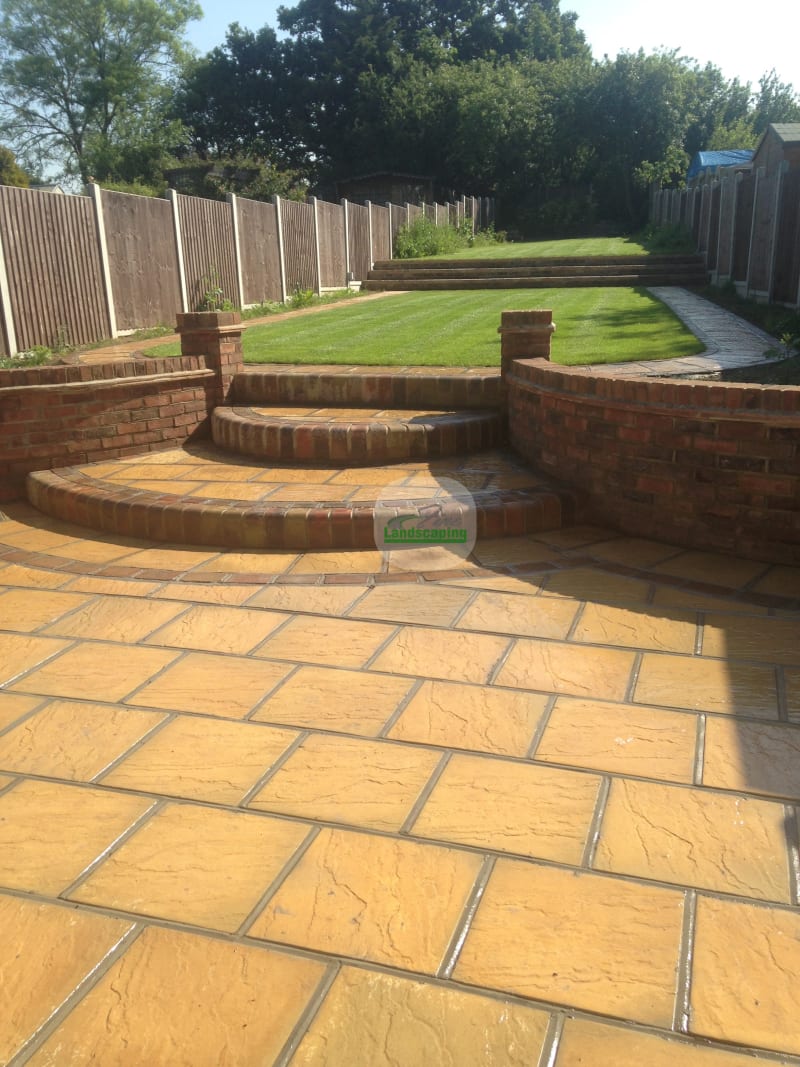
Beckenham's beautiful Edwardian homes deserve gardens that match their architectural charm. Whether you own one of the impressive detached properties along The Avenue or a characterful semi-detached on Village Way, creating a garden that honours your home's heritage while meeting modern needs requires careful planning.
As we approach peak summer entertaining season, now is the perfect time to reimagine your outdoor space. This guide draws on our extensive experience with Garden Design in Beckenham, helping you navigate everything from working with heavy Weald clay to respecting Tree Preservation Orders.
Understanding Your Edwardian Garden's Original Character
Edwardian gardens (roughly 1901-1918) were designed as outdoor extensions of the home, featuring distinct zones and generous proportions. Many Beckenham properties, particularly those in the Coper's Cope Conservation Area, retain elements of these original layouts.
Traditional Edwardian gardens typically included a formal front approach with brick or York stone paths, herbaceous borders framing a central lawn, a separate kitchen garden or utility area, and established trees providing structure and privacy. If you're fortunate enough to own a property that's retained mature specimen trees, you're likely already familiar with Bromley Council's extensive Tree Preservation Orders.
Working with Beckenham's Challenging Soil Conditions
The heavy Weald clay that dominates most of BR3 presents specific challenges for garden design. This dense, moisture-retentive soil becomes waterlogged in winter and shrinks dramatically during dry summers, causing seasonal movement that can crack patios and paths.
Properties closer to Beckenham Place Park often benefit from pockets of sandy loam, which drains more freely and supports a wider range of planting. Understanding your specific soil type is crucial before investing in hard landscaping or choosing plants.
Clay Soil Solutions
We always recommend incorporating generous drainage when installing patios or pathways on clay soils. French drains, permeable paving options, and properly compacted sub-bases with Type 1 MOT are essential for longevity.
For planting, the clay actually suits many traditional Edwardian favourites. Rhododendrons and azaleas thrive here, which is why you'll see them flourishing in gardens throughout Beckenham. Roses, hydrangeas, and hardy geraniums also perform beautifully once established.
In our recent project on The Avenue, we installed premium close-board cedar fencing with concrete gravel boards specifically to prevent the base boards rotting in contact with the moisture-retentive clay. The decorative trellis panels we added create vertical interest while the concrete gravel boards provide a maintenance-free boundary that won't warp or shift with seasonal soil movement.
Period-Appropriate Design Elements for Edwardian Gardens
Authenticity doesn't mean sacrificing functionality. You can incorporate period design elements that work beautifully for modern outdoor living.
Paths and Paving
Original Edwardian paths often featured red brick edging with central York stone or terracotta tiles. For a cost-effective modern interpretation, consider buff or grey sandstone paving with engineering brick borders. This combination typically costs £90-£130 per square metre installed, depending on stone quality.
Avoid overly contemporary materials like polished porcelain or ultra-modern concrete in conservation areas. Bromley Council is particularly attentive to maintaining street character, especially along notable routes like Beckenham Road and Wickham Road.
Garden Structures
Pergolas, arbours, and substantial timber arches were Edwardian favourites. These structures create vertical interest and support climbing roses, clematis, and wisteria. Cedar or treated softwood pergolas with traditional joinery details cost approximately £800-£1,500 for a standard 2.4m x 2.4m structure.
Consider positioning a pergola over a patio area to create dappled shade perfect for summer entertaining. Train climbers over the structure for additional privacy from neighbouring properties.
| Garden Feature | Approximate Cost | Period Authenticity | Maintenance Level |
|---|---|---|---|
| York stone paving | £110-£160/m² | High | Low |
| Brick-edged gravel paths | £45-£70/m² | High | Medium |
| Cedar pergola | £800-£1,500 | High | Low |
| Herbaceous borders | £35-£60/m² | High | Medium-High |
| Formal lawn with borders | £15-£25/m² | High | High |
Creating Summer Entertaining Spaces
June in Beckenham means garden parties, al fresco dining, and making the most of those long summer evenings. Modern Edwardian garden design can absolutely accommodate contemporary outdoor living without compromising character.
Patio Positioning and Size
Most Beckenham Edwardian properties face roughly north-south, with rear gardens receiving excellent afternoon and evening sun. Position your main entertaining patio to capture this light, typically extending 4-6 metres from the house.
For a family-sized dining area that seats 6-8 people comfortably, budget for at least 20-25 square metres. Natural stone paving in buff, grey, or aged brown tones complements Edwardian brickwork beautifully.
Shade and Shelter
The mature trees common throughout BR3 gardens provide natural dappled shade, but positioning matters. Heavy shade from protected trees can severely limit lawn growth, something many homeowners along The Avenue and Village Way experience.
Rather than fighting this, embrace shade-tolerant planting in affected areas: ferns, hostas, Japanese anemones, and foxgloves all thrive. Alternatively, consider artificial grass in persistently shaded zones where natural turf struggles.
Respecting Planning Constraints and TPOs
Bromley Council is notably protective of Beckenham's leafy character. Tree Preservation Orders are widespread, and you'll need permission before carrying out any work to protected trees, including pruning or root management.
If mature tree roots are causing path or patio damage through heave, you cannot simply remove the tree. Work with qualified tree surgeons to explore crown reduction or root barrier solutions instead.
Front Garden Considerations
Bromley Council is particularly strict about front garden hardstanding and crossover applications. If you're considering converting front garden space for parking, you'll need formal planning permission and must ensure proper drainage arrangements.
In conservation areas like Beckenham Town Centre and Coper's Cope, additional restrictions apply. Always check with the planning department before proceeding with front garden alterations.
Planting Schemes for Edwardian Character
The Edwardian era marked the height of the Arts and Crafts movement, favouring cottage garden abundance over rigid Victorian bedding schemes. This relaxed, naturalistic style suits modern maintenance expectations beautifully.
Herbaceous Borders
Deep borders (1.5-2 metres) flanking a central lawn create classic Edwardian proportions. Layer planting with tall delphiniums, hollyhocks, and foxgloves at the back, mid-height roses, salvias, and catmint in the centre, and low geraniums, alchemilla, and violas at the front.
This layered approach provides interest from May through October and works beautifully with Beckenham's clay soil once plants are established. Budget £40-£60 per square metre for quality plants and soil improvement.
Specimen Trees and Structural Planting
If your garden lacks mature trees, consider adding small ornamental specimens that won't trigger future TPO complications. Japanese maples, amelanchier, and magnolias all suit Edwardian gardens and remain manageable in size.
Formal hedging using yew, beech, or hornbeam can define garden zones beautifully. These work particularly well for screening utility areas or creating intimate spaces within larger gardens.
Common Mistakes to Avoid
Over the years providing Garden Design services throughout South London, we've seen recurring issues in Beckenham gardens specifically.
Ignoring drainage: The clay soil demands proper drainage consideration. Skimping on sub-base preparation leads to cracked paving and waterlogged lawns. Always include adequate drainage provision in your budget.
Fighting the shade: Root heave from mature trees indicates substantial below-ground root systems. These won't disappear just because they're inconvenient. Design with existing trees rather than against them.
Inappropriate materials: Ultra-modern materials look jarring against Edwardian architecture. Stick with natural stone, traditional brick, and timber for hard landscaping elements.
Overlooking maintenance: Large herbaceous borders require regular deadheading, staking, and autumn cutting back. If time is limited, reduce border depth or incorporate more evergreen shrubs for year-round structure with less intervention.
Neglecting the front garden: The formal front approach is part of your home's character. Even simple improvements like repointing brick paths, refreshing gravel, or replanting traditional shrubs enhance kerb appeal significantly.
Seasonal Maintenance for Lasting Beauty
June marks the transition from spring growth to summer maintenance mode. Deadhead roses regularly to encourage repeat flowering, stake tall perennials before they flop, and keep on top of weeding while soil remains workable.
The clay soil that dominates Beckenham gardens benefits from mulching in early summer. A 5-8cm layer of composted bark or well-rotted manure conserves moisture, suppresses weeds, and gradually improves soil structure.
For lawns struggling in shaded areas, raise mowing height to 4-5cm and reduce traffic to minimise compaction. Consider whether these areas might be better reimagined as shade borders or decorative gravel areas.
If you need assistance with ongoing care, our garden maintenance services can keep your Edwardian garden looking its best throughout the seasons.
Ready to Transform Your Beckenham Garden?
We've helped dozens of homeowners in BR3 create beautiful gardens that honour their Edwardian properties while meeting modern needs. Get expert advice tailored to your specific property, soil conditions, and planning constraints.
Get Free QuoteFrequently Asked Questions
How much does a complete Edwardian garden redesign cost in Beckenham?
A comprehensive redesign for a typical Beckenham Edwardian garden (20-25 metres long) typically costs £15,000-£35,000 depending on complexity. This includes hard landscaping (patio, paths, borders), planting, lawn preparation, and drainage work essential for clay soils. Projects requiring extensive tree work, bespoke structures, or premium natural stone will sit at the higher end. We recommend phasing larger projects over 2-3 seasons if budget is constrained, prioritising the main entertaining area first.
Do I need planning permission to redesign my garden in Beckenham?
Most rear garden redesign work doesn't require planning permission, but Beckenham has specific considerations. Any work affecting trees with Tree Preservation Orders requires consent from Bromley Council before proceeding. Front garden changes, particularly hardstanding for parking, need planning permission and must meet drainage regulations. Properties in Beckenham Town Centre or Coper's Cope Conservation Areas face additional scrutiny for visible alterations. Always check your property's status on Bromley Council's planning portal before starting work.
What plants work best in Beckenham's heavy clay soil?
Clay-tolerant plants that suit Edwardian character include roses (particularly David Austin varieties), rhododendrons, azaleas, hydrangeas, and hardy geraniums for sunnier spots. For shade under mature trees, try ferns, hostas, hellebores, and Japanese anemones. Improving clay with organic matter at planting time helps establishment, but choosing naturally clay-tolerant species ensures long-term success with less intervention. Many traditional cottage garden favourites actually prefer clay's moisture retention once their roots are established.
How do I deal with root damage from protected trees in my Beckenham garden?
Root heave affecting paths and patios is common in Beckenham due to widespread mature trees and clay soil. Rather than fighting this, design solutions work best: use flexible materials like gravel or resin-bound surfacing that accommodates movement, install root barriers during patio construction to redirect growth, or position hard landscaping further from tree trunks. Never cut significant roots without consulting a qualified arborist and obtaining necessary permissions for protected trees. Sometimes accepting that certain areas remain soft landscaping is the most practical long-term solution.
When is the best time to start a garden redesign project in Beckenham?
For hard landscaping work, late spring through autumn is ideal when clay soil is more workable and weather is settled. However, autumn (September-November) is optimal because you can complete construction work then follow immediately with planting in the best season for establishing new plants. Starting consultations and design work now in June allows you to have plans finalised and materials ordered for autumn installation. This timeline means your garden is ready to mature over winter and impress by next summer's entertaining season.