
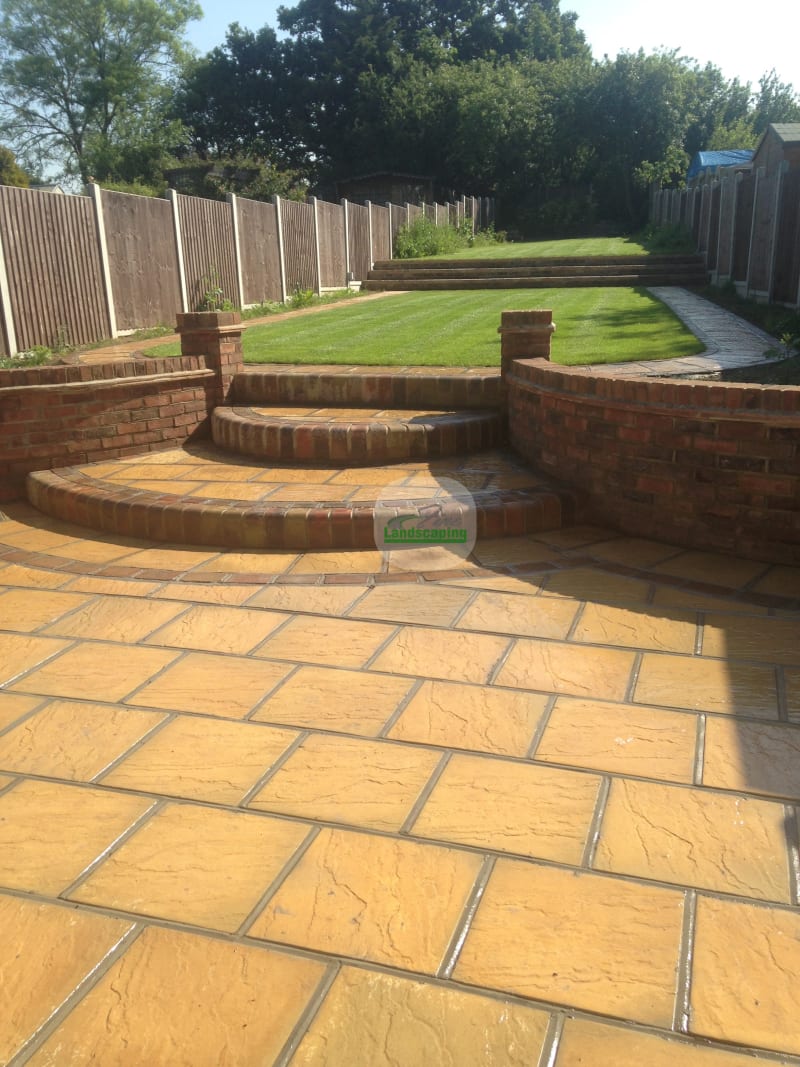
Dulwich's Victorian terraces present unique opportunities for sophisticated garden design. Unlike the substantial detached properties along Dulwich Village and College Road, these elegant terraced homes typically feature narrower, deeper gardens that require thoughtful planning to maximise space while respecting the area's heritage character.
As June approaches and summer entertaining becomes a priority, SE21 homeowners are increasingly looking to transform their Victorian terrace gardens into beautiful outdoor living spaces. But designing for these period properties requires more than just aesthetic vision—you need to navigate Dulwich Estate requirements, conservation area rules, and the practical constraints of Victorian garden layouts.
Understanding Victorian Terrace Gardens in Dulwich
Victorian terraces in areas like East Dulwich and around Gallery Road typically feature long, narrow gardens measuring 6-8 metres wide and 20-30 metres deep. These proportions create both challenges and opportunities that differ significantly from the sprawling gardens of Dulwich's detached Georgian villas.
The original Victorian design philosophy emphasised functionality—vegetable patches, service areas, and outdoor privies took precedence over ornamental planting. Modern SE21 homeowners want something entirely different: outdoor dining spaces, children's play areas, and lush planting that provides year-round interest.
The Dulwich Estate Design Challenge
What sets Dulwich apart from neighbouring areas like Crystal Palace or Denmark Hill is the Dulwich Estate's additional layer of design control. Even if your property isn't directly on estate land, the prevailing design standards influence the entire SE21 area.
The Estate favours traditional materials, heritage colour palettes, and designs that maintain the leafy, village atmosphere. This means contemporary minimalist gardens with stark white walls and tropical planting rarely gain approval—and may look jarring against neighbouring properties anyway.
Working With London Clay: Dulwich's Soil Conditions
The London clay that dominates Dulwich creates specific challenges for garden design. This heavy, acidic soil becomes waterlogged in winter and bakes hard in summer, causing structural movement that can crack paving and undermine garden walls.
In the Dulwich Wood area, you'll find sandy pockets that offer better drainage, but most Victorian terraces sit squarely on clay. Any successful Garden Design services project must address drainage from the outset.
We always recommend installing French drains along the boundaries of Victorian terrace gardens. The combination of clay soil and long, narrow dimensions creates natural water channels that can flood lower sections during heavy rain.
Plant Selection for Acidic Clay Soil
The acidic conditions actually provide excellent growing conditions for acid-loving plants that thrive in Dulwich's climate. Consider:
- Camellias and rhododendrons: Provide spring colour and structure year-round
- Hydrangeas: Perfect for shady spots under mature trees, producing blue flowers in acidic soil
- Pieris: Evergreen structure with vibrant spring growth
- Ferns and hostas: Ideal for the shadier sections typical of narrow terrace gardens
- Roses: Perform well once soil is improved with organic matter
Design Principles for Narrow Victorian Gardens
The 6-8 metre width of typical Victorian terrace gardens requires strategic design to avoid feeling cramped. We've developed specific approaches that work consistently well in SE21's period properties.
Creating Zones and Visual Interest
Divide the length into distinct zones rather than creating one long lawn bordered by planting. A successful layout might include:
- Immediate patio area: 4-5 metres deep, sized for outdoor dining and entertaining
- Middle garden section: Lawn or mixed planting with a focal point (water feature, specimen tree, or seating area)
- End feature: Summer house, vegetable garden, or secluded seating area framed by mature planting
Use hedging, trellis panels, or changes in level to define these zones. This creates the illusion of multiple garden rooms within a single space.
Managing Mature Trees and Protected Species
Many Victorian terrace gardens feature mature trees—some self-seeded, others original Victorian plantings now reaching 100+ years old. In conservation areas like Dulwich Village, trees above certain sizes are automatically protected.
Before planning any significant garden work, check the London Borough of Southwark's tree preservation orders. Protected trees limit what can be built beneath their canopy, and their root protection areas can prevent excavation for Patios or drainage systems.
We recently completed a project on College Road where a protected lime tree dominated one third of the garden. Rather than fighting this constraint, we designed a circular seating area beneath the canopy, used permeable paving to protect roots, and created a formal parterre in the sunnier section—turning a limitation into the garden's defining feature.
Period-Appropriate Materials and Features
Victorian terrace gardens in Dulwich benefit from materials that complement the architecture while meeting modern performance standards. The Dulwich Estate's design guidelines favour traditional appearances, even when using contemporary products.
| Material | Victorian Authenticity | Cost per m² | Maintenance |
|---|---|---|---|
| Reclaimed Victorian rope-top edging tiles | Excellent | £45-£65 | Low |
| Heritage-style clay pavers | Excellent | £75-£110 | Low |
| York stone paving | Good (Georgian/Victorian) | £95-£150 | Low |
| Reclaimed London stock brick | Excellent | £120-£180 per m² | Low |
| Gravel with clay edging | Excellent | £35-£55 | Medium |
Approved Fencing and Boundary Treatments
The Dulwich Estate maintains a list of approved fencing styles and colours. Standard options include:
- Closeboard fencing in heritage green or dark brown
- Painted timber picket fencing (white or heritage colours)
- Brick walls with traditional coping details
- Wrought iron railings for front boundaries
Contemporary horizontal slatted fencing—popular in areas like Streatham or Croydon—typically doesn't gain approval in Dulwich conservation areas. If you're planning boundary work, consult with both the London Borough of Southwark planning department and the Dulwich Estate before purchasing materials.
Summer Outdoor Living Spaces for 2026
As we head into summer, the focus shifts to creating functional entertaining spaces that make the most of June through September weather. Victorian terrace gardens offer the perfect setting for intimate outdoor dining and relaxed socialising.
Patio Size and Positioning
For a family of four with occasional guests, plan for a minimum 4m × 3.5m patio. This accommodates a 6-8 person dining table with room for chairs to pull out comfortably.
Position the patio immediately adjacent to the house for practical access to the kitchen. Victorian terraces typically have raised ground floors, so factor in steps—ideally wide, shallow treads that integrate elegantly with the paving design.
Integrated Lighting for Evening Entertainment
Summer evenings in Dulwich are perfect for outdoor entertaining, but adequate lighting transforms usability. Consider:
- Low-level LED path lights along main routes
- Uplighting for feature trees or architectural planting
- Festoon lighting strung overhead (removable for winter)
- Integrated step lighting for safety
All exterior electrical work must comply with current regulations. We always recommend hiring a qualified electrician for garden lighting installation.
The Design Process: From Concept to Completion
Designing a Victorian terrace garden in Dulwich involves more steps than equivalent projects in less regulated areas. Here's our typical process:
- Initial consultation: Site survey, soil assessment, discussion of requirements and budget (Week 1)
- Concept design: Scaled drawings showing layout options with material suggestions (Weeks 2-3)
- Planning review: Check requirements with London Borough of Southwark and Dulwich Estate where applicable (Week 4)
- Detailed design: Finalised plans with planting schedules and material specifications (Weeks 5-6)
- Construction phase: Groundworks, hard landscaping, planting (Weeks 7-12 for typical projects)
The planning review stage is crucial in Dulwich. The Dulwich Estate design requirements add complexity and cost compared to projects in nearby Denmark Hill or Crystal Palace, where you're dealing solely with council regulations.
On our College Road project, the Dulwich Estate required amendments to our proposed gate design and fence colour. Building in time for these consultations prevents costly mistakes and construction delays.
Working With High Client Expectations
Dulwich homeowners typically expect show-garden-standard workmanship—and rightly so given the area's property values and established garden heritage. This means:
- Perfect paving alignment and consistent joint widths
- Mature, specimen-size plants rather than small nursery stock
- High-quality hardwood for decking and garden structures
- Detailed finishing touches like heritage-style bin stores and concealed irrigation systems
These elevated standards increase costs compared to standard domestic projects, but deliver gardens that enhance Dulwich's exceptional residential character.
Common Mistakes to Avoid
We've seen numerous Victorian terrace garden projects in SE21 that could have been significantly improved with different design decisions. Learn from these common errors:
Ignoring Drainage from the Outset
The combination of London clay and narrow gardens creates natural water channels. Failing to address drainage leads to waterlogged lawns, flooded patios, and structural damage to boundary walls. Always start with proper groundworks and drainage—it's far cheaper than retrofitting solutions later.
Planting Trees Too Close to Buildings
Victorian terraces have shallow foundations vulnerable to movement in clay soil. Large trees planted within 10-15 metres can cause subsidence through water extraction during dry summers. Choose small ornamental varieties or position larger specimens at the garden's far end.
Overlooking Conservation Area Requirements
Many SE21 homeowners discover too late that their garden work required planning permission. In the Dulwich Village Conservation Area and Dulwich Wood Conservation Area, even seemingly minor work can need consent. Check requirements before starting—retrospective permission is harder to obtain.
Creating Insufficient Storage
Victorian terraces lack integral garages and have limited shed space. Factor in discrete storage for bins, garden furniture, children's toys, and garden equipment. Well-designed storage can be incorporated into boundary walls or disguised with planting.
Maintaining Your Victorian Garden Year-Round
A well-designed garden requires ongoing maintenance to remain at its best. Dulwich's exceptionally well-maintained gardens set high neighbourhood standards that benefit all properties.
Seasonal Maintenance Schedule
Summer (June-August): Regular mowing, deadheading, and watering. Monitor clay soil for cracking and water deeply during dry spells. Enjoy outdoor entertaining!
Autumn (September-November): Plant spring bulbs, divide perennials, and carry out major planting work. Clear leaves from lawns and drains.
Winter (December-February): Prune dormant shrubs and trees, carry out hardscape repairs, and plan design improvements for spring implementation.
Spring (March-May): Feed lawns and borders, top up mulch, and tackle weeds before they establish.
For homeowners without time for regular maintenance, professional garden maintenance services ensure your investment remains pristine.
Choosing the Right Design Professional
Victorian terrace gardens in Dulwich require designers with specific local knowledge. Look for professionals who understand:
- Dulwich Estate design requirements and approval processes
- London Borough of Southwark planning policies
- Conservation area regulations and protected tree legislation
- London clay soil management and drainage solutions
- Period-appropriate materials and authentic Victorian design details
Our Garden Design in Dulwich service incorporates all these considerations as standard. We've successfully navigated the Estate's requirements on numerous projects across Calton Avenue, Gallery Road, and surrounding streets.
For comprehensive advice covering all South London areas, see our complete guide for South London.
Ready to Transform Your Victorian Terrace Garden?
Get expert advice tailored to your SE21 property's unique requirements. We handle all aspects from Dulwich Estate consultations to final planting.
Get Free QuoteFrequently Asked Questions
Do I need planning permission for garden work in Dulwich conservation areas?
Many garden alterations in Dulwich's conservation areas require planning permission, including hard surfaces exceeding 5m², garden buildings over certain sizes, and work affecting protected trees. Additionally, properties on Dulwich Estate land need Estate approval for boundary treatments, gates, and visible structures. Contact the London Borough of Southwark planning department early in your project to clarify requirements—retrospective permission is much harder to obtain.
How much does it cost to redesign a Victorian terrace garden in Dulwich?
A complete Victorian terrace garden redesign in SE21 typically costs £15,000-£35,000 for a standard 150-200m² garden, including design fees, groundworks, drainage, quality paving, planting, and lawn installation. Projects requiring Dulwich Estate consultations, work around protected trees, or show-garden-standard finishes may reach £40,000-£60,000. The elevated expectations in Dulwich mean costs run 20-30% higher than equivalent projects in less prestigious areas.
What plants grow best in Dulwich's clay soil?
Dulwich's acidic London clay supports acid-loving plants excellently. Camellias, rhododendrons, hydrangeas, pieris, and azaleas thrive without soil amendment. Roses, lavender, and herbaceous perennials perform well once organic matter improves drainage and structure. Avoid Mediterranean plants preferring dry, alkaline conditions. The mature trees throughout SE21 create varying light conditions, so choose shade-tolerant ferns, hostas, and hellebores for darker areas while keeping sun-lovers for open spots.
How long does a Victorian terrace garden redesign take from start to finish?
From initial consultation to completion, expect 3-4 months for a typical Victorian terrace garden in Dulwich. This includes 4-6 weeks for design and any necessary planning/Dulwich Estate approvals, then 6-8 weeks for construction depending on scope. Projects requiring planning permission or tree work can extend to 5-6 months. We recommend starting design work in winter for spring construction, or in spring for autumn planting—avoiding summer when you'd lose use of your garden during peak entertaining season.
Can I install artificial grass in a Victorian terrace garden in a Dulwich conservation area?
While artificial grass doesn't typically require planning permission in conservation areas, it may conflict with Dulwich Estate design standards on estate-managed properties, which favour traditional materials. More importantly, artificial grass on London clay requires exceptional drainage installation—the impermeable clay prevents water draining through the artificial surface's backing. For Victorian terraces, we often recommend quality turf with proper ground preparation as a more sustainable, drainage-friendly solution that suits Dulwich's heritage character.