
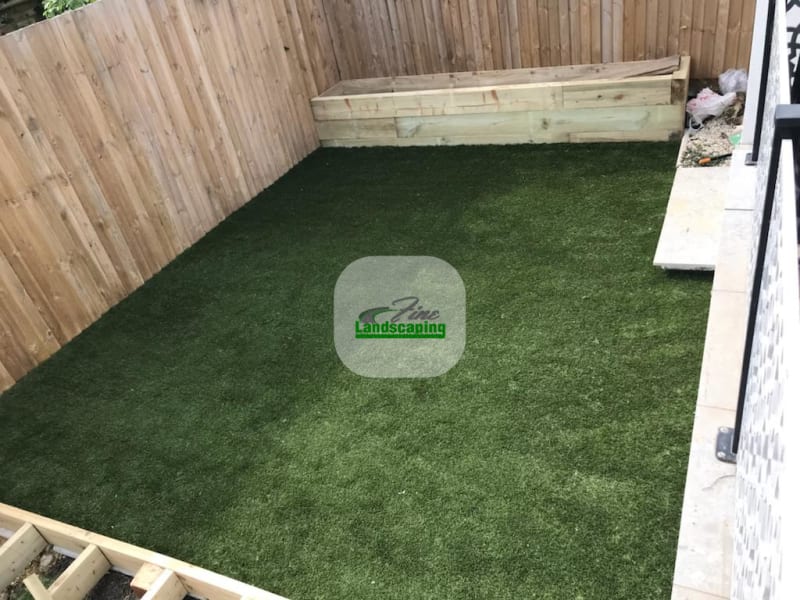
Balham's characteristic Victorian terraces come with beautiful period features — high ceilings, original fireplaces, and those long, narrow rear gardens that stretch back 15-25 metres. But if you've ever tried maintaining a natural lawn in these SW12 gardens, you'll know the challenges: patchy grass struggling beneath mature London plane trees, muddy clay soil that turns to concrete in summer, and limited time to maintain what should be a relaxing outdoor space.
We've been installing Artificial Grass in Balham for years now, and it's become one of our most requested solutions for homeowners along Bedford Hill, Ramsden Road, and throughout the SW12 area. This July, with gardens seeing maximum use, it's the perfect time to consider whether artificial grass could transform your outdoor space for year-round enjoyment.
Why Balham Gardens Struggle with Natural Lawns
The geography and architecture of Balham create a unique set of challenges that make traditional lawns particularly difficult to maintain. Understanding these issues helps explain why so many local homeowners are making the switch to artificial alternatives.
The Shade Problem
Walk down any street near Balham Station or along Boundaries Road, and you'll notice the magnificent mature plane trees that define the neighbourhood character. While beautiful, these trees create significant shade across rear gardens, particularly in properties facing north or east. Natural grass needs around four hours of direct sunlight daily to thrive — something many Balham gardens simply can't provide.
We've worked on dozens of gardens where homeowners have tried every shade-tolerant grass seed mix available, only to end up with patchy, moss-covered lawns that never quite look right. The canopy from these established trees also means dealing with constant leaf fall and competing root systems that steal moisture and nutrients from your lawn.
London Clay: Beautiful Houses, Difficult Soil
Balham sits on London clay over gravel — the same moderately acidic clay soil that's caused subsidence issues in properties near large trees throughout SW12. This clay becomes waterlogged and compacted in winter, then cracks and hardens in summer heat. It's utterly unsuitable for healthy grass growth without significant ongoing amendment and maintenance.
The clay also creates drainage challenges, particularly in properties that have had basement conversions. We've noticed that these conversions have disrupted natural drainage patterns across multiple gardens in terraced rows, leading to unexpected pooling and soggy patches that never properly dry out.
How Artificial Grass Solves Balham's Garden Challenges
Modern Artificial Grass services have come a long way from the obviously fake-looking options of a decade ago. Today's premium products look remarkably natural and directly address the specific problems Balham gardens face.
Shade Tolerance
Artificial grass doesn't need sunlight to stay green and healthy-looking. Whether your garden is completely shaded by neighbouring properties and plane trees or receives dappled light, it maintains the same lush appearance year-round. This single benefit alone has convinced many of our Balham clients to make the switch.
Drainage Solutions for Clay Soil
Quality artificial grass installation includes a permeable sub-base that dramatically improves drainage — essential for London clay. We excavate the existing soil (typically 75-100mm), install a compacted Type 1 MOT sub-base with proper falls for drainage, then add a granite dust layer before the grass itself. This creates a stable, free-draining surface that won't become waterlogged like natural lawns on clay.
For gardens with particularly poor drainage — common in basement-conversion properties along Balham High Road and Bedford Hill — we can incorporate additional drainage solutions like channel drains or soakaways to ensure water management meets current standards.
Year-Round Usability
In this midsummer period, natural lawns are either scorched brown or require constant watering to stay green. Come autumn and winter, they turn muddy and unusable. Artificial grass looks perfect in July heat and remains clean and accessible through winter months, maximising your outdoor space throughout the year.
Real Balham Project: Ramsden Road Garden Transformation
Last spring, we completed a comprehensive rear garden redesign on Ramsden Road for a young professional couple who'd struggled with their 20-metre Victorian garden since purchasing the property. The space was almost entirely shaded, with patchy grass that turned to mud whenever their two young children played outside.
The project included a raised hardwood deck for the sunny area nearest the house, a shade-tolerant planting scheme along the Victorian boundary walls, and concealed LED lighting for evening ambience. The central section — about 35 square metres — was transformed with premium artificial grass that created an instantly usable play area for the children.
The artificial grass was honestly the best decision we made. The kids can play outside whatever the weather, and we're not constantly tracking mud through the house. It looks completely natural — our neighbours thought we'd somehow magically grown perfect grass in the shade.
This project demonstrates how artificial grass works particularly well as part of a complete garden design, combining with decking, planting, and other landscaping elements to create functional zones in those long, narrow Balham gardens.
Choosing the Right Artificial Grass for SW12 Properties
Not all artificial grass is created equal, and selecting the right product matters significantly for both appearance and longevity. Based on our experience installing throughout Balham, here's what we recommend for different situations.
| Grass Type | Pile Height | Best For | Cost per m² |
|---|---|---|---|
| Budget Range | 20-25mm | Side passages, rarely seen areas | £15-£25 |
| Mid-Range | 30-35mm | General family gardens, good durability | £25-£40 |
| Premium Range | 37-45mm | High-visibility areas, luxury feel | £40-£65 |
| Pet-Specific | 25-30mm | Enhanced drainage, antimicrobial backing | £35-£50 |
Pile Height and Appearance
For the main lawn areas in Balham gardens, we typically recommend 35-40mm pile height. This provides a natural, lush appearance that looks appropriate against period properties whilst remaining practical for children's play and general use. The slightly shorter pile also performs better in shaded areas, resisting the flattening that can occur with longer fibres.
Drainage Capacity
Given Balham's clay soil challenges, drainage capacity is non-negotiable. We only install products with minimum 60 litres per square metre per minute drainage rates — far exceeding what natural grass achieves on London clay. This ensures rainwater drains away immediately rather than pooling on the surface.
Installation Considerations for Victorian Properties
Installing artificial grass in Balham's Victorian terraces requires careful attention to several specific factors that don't apply in newer developments.
Access Challenges
Many Victorian properties have side return access of just 800mm-1000mm width, making it impossible to get machinery or large materials directly to rear gardens. We often need to carry materials through the property itself, which requires careful protection of original floors, doorways, and period features. This access limitation can add time and cost to projects, but it's manageable with proper planning.
Existing Boundary Walls
Victorian boundary walls throughout SW12 are often original or period features that may need repointing or rebuilding before landscaping work begins. We frequently discover walls that are leaning or have deteriorating mortar once we start excavation work. Addressing these issues properly — particularly important if you're in a conservation area — ensures your new artificial grass has stable, attractive surroundings.
Subsidence Considerations
Areas near mature plane trees on clay soil carry subsidence risk, something insurance companies monitor closely in Balham. Artificial grass installation actually reduces subsidence risk compared to natural lawns because it requires less watering, helping maintain more consistent moisture levels in clay soil. Some homeowners specifically choose artificial grass as part of tree management strategies recommended by insurance companies.
Maintenance: What Balham Homeowners Need to Know
One major advantage of artificial grass is dramatically reduced maintenance compared to natural lawns, but it's not entirely maintenance-free. Here's what to expect in SW12 conditions.
Leaf Management
Those beautiful plane trees drop substantial leaf fall in autumn. Leaves should be cleared regularly with a leaf blower or stiff brush to prevent staining and maintain appearance. This takes minutes compared to the hours needed for mowing, edging, and treating a natural lawn.
Moss and Algae in Shaded Areas
Heavily shaded sections can develop moss or algae growth, particularly on north-facing areas that never receive direct sun. An annual treatment with appropriate cleaning solution keeps this under control. We offer Garden Maintenance packages that include artificial grass care for clients who prefer ongoing professional support.
Pet-Friendly Maintenance
For pet owners in Balham, artificial grass is brilliant for keeping gardens clean and mud-free. Dog urine drains straight through without creating the dead patches you get with natural grass. Occasional hosing down and using pet-safe artificial grass cleaner maintains freshness and hygiene.
Planning Permission and Wandsworth Council Requirements
For rear gardens in Balham, artificial grass installation typically falls under permitted development and doesn't require planning permission. However, there are important considerations depending on your specific property.
Conservation Area Properties
If your property falls within the Bedford Hill Conservation Area or Heaver Estate Conservation Area, front garden alterations generally require planning consent. This includes artificial grass installation if visible from the street. Rear gardens usually have more flexibility, but it's worth confirming with Wandsworth Council's planning department if you're uncertain.
Drainage Requirements
Wandsworth Council expects all hard landscaping to maintain or improve drainage compared to existing conditions. Properly installed artificial grass with appropriate sub-base actually improves drainage over clay-based natural lawns, easily meeting these requirements. We provide drainage calculations and specifications if required for building control purposes.
Artificial Grass vs. Other Garden Surface Options
Balham homeowners often consider several alternatives when redesigning gardens. Here's how artificial grass compares for typical SW12 situations.
| Surface Type | Installation Cost | Maintenance | Shade Performance | Child/Pet Friendly |
|---|---|---|---|---|
| Natural Lawn | £15-£25/m² | High - weekly mowing, feeding, treatment | Poor in Balham's shaded gardens | Gets muddy quickly |
| Artificial Grass | £60-£95/m² | Very Low - occasional brushing | Excellent - unaffected by shade | Excellent - clean and soft |
| Paving/Patio | £75-£120/m² | Low - occasional cleaning | Excellent | Hard surface - less play-friendly |
| Decking | £90-£150/m² | Medium - annual treatment needed | Good - but can be slippery when shaded | Good - but splinter risk |
Many successful Balham garden designs combine artificial grass with patios or decking, creating distinct zones for different uses. The combination provides variety whilst maximising usability across the entire garden space.
Why Choose Professional Installation in Balham
DIY artificial grass installation is technically possible, but professional installation makes a significant difference in Balham's challenging conditions. Here's why local knowledge matters.
Understanding SW12 Drainage
We've worked on hundreds of Balham gardens and understand exactly how water behaves in local clay soil, particularly in properties affected by basement conversions or near mature trees. This experience ensures proper falls, drainage integration, and long-term performance that DIY installations often miss.
Access and Waste Management
Professional installation includes waste removal — significant when excavating clay soil from narrow Victorian gardens. We have the equipment and experience to work efficiently through restricted access, protecting your property throughout the process.
Guarantees and Insurance
Quality artificial grass products come with 10-year manufacturer warranties, but these often require professional installation to remain valid. Our installations are fully insured and guaranteed, giving you peace of mind that the investment is protected.
If you're interested in exploring how artificial grass could transform your Balham garden, check out our complete guide for South London homeowners, which covers everything from product selection to maintenance tips.
Transform Your Balham Garden This Summer
We've helped dozens of SW12 homeowners create beautiful, low-maintenance gardens with quality artificial grass installation. Whether you're dealing with shade, clay soil, or just want more time to enjoy your outdoor space, we can help.
Get Free QuoteFrequently Asked Questions
How much does artificial grass cost for a typical Balham garden?
For Balham's typical Victorian rear gardens (20-35m²), expect to pay £1,500-£3,200 for professional installation including excavation, drainage sub-base, and quality artificial grass. Costs vary based on grass specification, access challenges through the property, and any additional drainage work required for clay soil conditions. Premium products and larger areas will be at the higher end of this range.
Will artificial grass work in my heavily shaded Balham garden?
Absolutely — this is one of artificial grass's biggest advantages in SW12 gardens. Unlike natural grass which struggles under Balham's mature plane trees, artificial grass looks perfect regardless of shade levels. You may need occasional moss treatment in heavily shaded areas, but this is minimal maintenance compared to constantly trying (and failing) to grow natural grass without adequate sunlight.
How long does artificial grass installation take in a Balham Victorian terrace?
A typical 25-30m² rear garden installation takes 2-3 days from start to finish. Day one involves excavation and sub-base installation, day two allows for compaction and membrane laying, and day three completes the artificial grass fitting and finishing. Access through Victorian properties adds complexity but we protect floors and doorways throughout the process.
Do I need planning permission for artificial grass in Balham conservation areas?
Rear garden artificial grass typically doesn't require planning permission, even in Bedford Hill or Heaver Estate conservation areas. Front gardens visible from the street may need consent if you're in a conservation area, so it's worth checking with Wandsworth Council planning department. We can advise on specific requirements for your property and assist with any necessary applications.
Will artificial grass help with the drainage problems in my clay soil garden?
Yes — professional installation dramatically improves drainage compared to natural lawns on Balham's London clay. We excavate the existing clay, install a permeable Type 1 sub-base with proper drainage falls, and use artificial grass with high drainage capacity (60+ litres per m² per minute). This creates a surface that drains immediately rather than becoming waterlogged, particularly beneficial in properties affected by basement conversion drainage issues.