
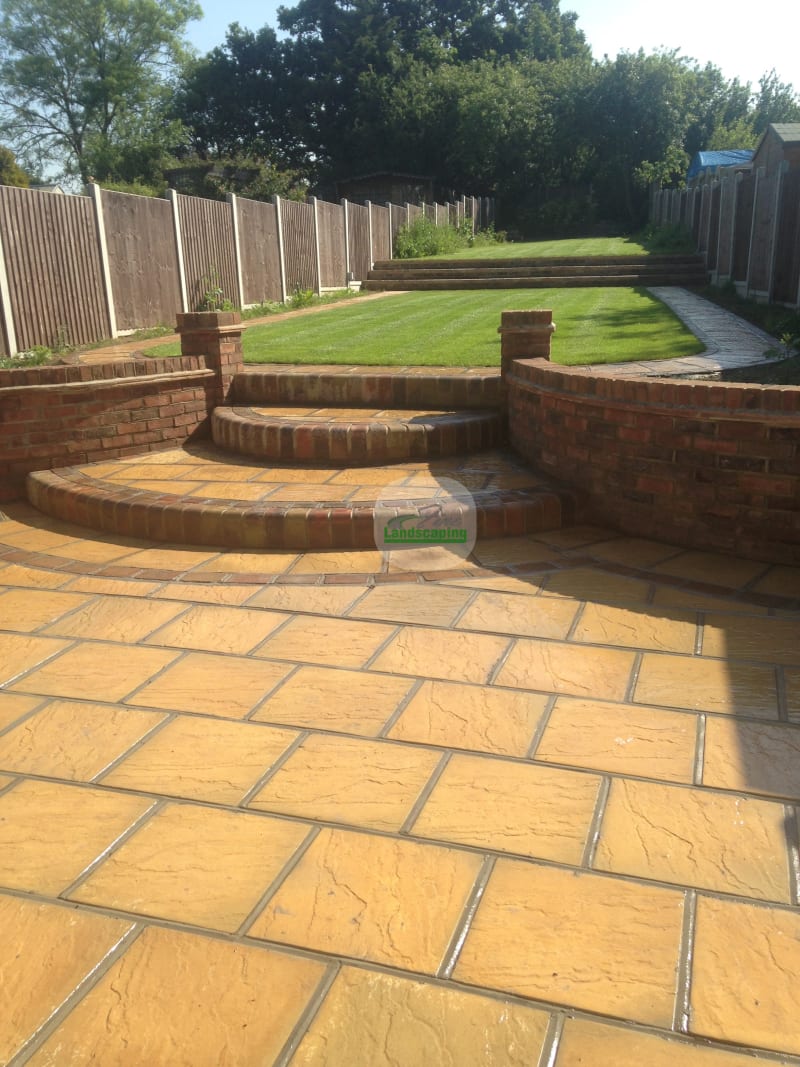
Summer 2026 is the perfect time to invest in garden improvements that not only enhance your lifestyle but genuinely increase your property's market value. With the current South London housing market placing premium value on quality outdoor spaces, strategic summer garden projects can deliver returns of 15-20% on your investment when you come to sell.
Unlike cosmetic improvements, the projects we're discussing here create functional outdoor living areas that buyers actively seek. We've seen firsthand how a well-designed patio or garden room can be the deciding factor for buyers viewing properties in Norbury, Streatham, and across South London.
Why Summer 2026 Is Your Window of Opportunity
This season matters more than you might think. Ground conditions in June through August are optimal for hard landscaping work—the soil is workable but not waterlogged, and materials cure properly in warm, dry conditions. We're currently experiencing ideal weather patterns across South London and Surrey, with the Met Office predicting a settled period through July.
More importantly, completing projects now means you'll enjoy them this summer whilst they mature ready for next year's selling season if you're planning a move. Estate agents consistently tell us that properties with established outdoor entertaining spaces sell faster and achieve 5-10% higher offers in the spring market.
Your Month-by-Month Summer Action Plan
June 2026: Planning and Foundation Work
Weeks 1-2: This is your design and consultation phase. Book consultations with landscaping professionals (like our Garden Design services) to finalise plans. We're currently scheduling site visits within 3-5 days, but July gets busier.
Weeks 3-4: Start groundworks for major projects. Excavation, drainage installation, and sub-base preparation work best in early summer when ground conditions are perfect but before the peak heat. If you're planning patio or decking installation, foundations need to go in now.
July 2026: Peak Construction Phase
This is prime time for installation work. Longer daylight hours mean projects progress faster, and materials like concrete, mortar, and jointing compounds cure optimally in warm, dry conditions. The South-East typically sees 8-10 hours of good working daylight in July.
Focus on completing hard landscaping—patios, resin driveways, block paving, and structural elements. These need at least 4-6 weeks of settling time before you add finishing touches.
August 2026: Finishing Touches and Planting
Complete installation of fencing, garden walls, and architectural features. This is also when you should add lighting, irrigation systems, and prepare for early autumn planting. August's typically settled weather in Surrey means outdoor electrical work can proceed without weather delays.
Plant selection for mature effect is crucial. Choose semi-mature specimens (not young plants) so your garden looks established by next spring's selling season.
High-Value Projects to Start Now
Premium Patio Installations
A quality patio delivers the highest return on investment of any garden project. We're seeing porcelain paving and natural stone particularly popular in Dulwich, Crystal Palace, and Beckenham for good reason—they photograph beautifully for property listings and appeal to buyers seeking low-maintenance luxury.
Detailed How-To Approach: Start with proper excavation to 150mm depth minimum. Install a geotextile membrane, then a 100mm MOT Type 1 sub-base compacted in 50mm layers. Add a 30-40mm sharp sand bedding layer, then lay your chosen paving material with 10-15mm joints. Use quality jointing compound—this prevents weed growth and looks professional for years.
| Paving Material | Cost per m² (Installed) | Value Add | Buyer Appeal |
|---|---|---|---|
| Porcelain Paving | £95-£140 | High | Premium buyers |
| Natural Stone (Sandstone) | £85-£125 | High | Traditional families |
| Indian Stone | £70-£95 | Medium-High | Broad appeal |
| Concrete Slabs | £45-£65 | Medium | Budget-conscious |
Garden Rooms and Outdoor Structures
Garden rooms are the standout value-adder for 2026. With hybrid working now permanent for many South London professionals, a dedicated garden office or studio is moving from luxury to necessity. We're seeing enormous demand across Norbury, Mitcham, and Streatham.
Foundation work must start in June or early July to allow proper settling before the structure goes up. A concrete slab foundation needs 4-6 weeks to cure fully, and you want this done before September's unpredictable weather arrives.
We always recommend building garden rooms on proper foundations with damp-proof membranes and insulation. Anything less creates problems within 2-3 years and won't add property value—buyers can spot corners cut.
Composite Decking for Low-Maintenance Appeal
Timber decking requires annual maintenance, which puts off buyers. Composite decking eliminates this concern whilst creating beautiful outdoor entertaining spaces. The material costs more upfront but delivers better long-term value—both for your enjoyment and resale appeal.
Installation specifics: Create a framework of pressure-treated joists on adjustable pedestals or concrete pads (not directly on soil). Space joists at 300-400mm centres for composite boards. Install boards with proper expansion gaps—2-3mm at ends and 5-6mm at sides. Composite expands and contracts more than timber in our variable South-East climate.
Projects to Plan Now for Autumn/Winter Completion
Some high-value projects are better started in summer but completed in cooler months. Tree surgery and major replanting schemes work better in autumn when plants establish with less water stress. Use summer to plan, design, and prepare sites.
Drainage improvements are critical value-adders that don't show visually but matter enormously to surveyors and buyers. If you have standing water issues, identify and plan solutions now, but schedule drainage installation for September-October when you can see exactly where water collects during autumn rains.
Major excavation projects for sunken patios, terracing, or level changes are best planned in summer but executed in autumn. The design work, permissions, and material selection happen now. Execution waits until gardens aren't in active use and you won't damage established lawns moving machinery.
London Weather Considerations for Summer 2026
The South-East's microclimate matters for project timing. Norbury, Croydon, and inner South London areas typically run 2-3°C warmer than Surrey's greenbelt, affecting material curing times and working conditions.
June 2026 forecasts show typical conditions—warm days (22-25°C) with occasional showers. This is perfect for groundworks and foundations. July typically delivers our driest, warmest weather, ideal for paving, rendering, and decorative work. August can bring thunderstorms, so plan concrete pours and critical phases for established dry periods.
Always have contingency plans for weather delays. A well-managed project builds in 3-5 weather delay days for a two-week installation. Reputable contractors won't rush work in poor conditions—the quality suffers and you lose the value-add benefit.
Peak vs Off-Peak Cost Considerations
Yes, summer is peak season, and you'll pay slightly more than winter rates. But the cost difference is smaller than most people think, and the benefits far outweigh the 8-12% premium.
| Project Type | Summer Rate | Winter Rate | Quality Difference |
|---|---|---|---|
| Patio Installation | £85-£140/m² | £75-£125/m² | Significant—curing issues in cold |
| Decking | £95-£165/m² | £85-£150/m² | Moderate—timber moisture content |
| Garden Walls | £180-£250/m² | £165-£230/m² | Significant—mortar frost damage risk |
| Fencing | £85-£135/m | £80-£125/m | Minimal |
The real cost difference isn't the premium—it's weather delays and quality issues. A winter patio project might save £400 on a £5,000 job, but risk £1,500+ in remedial work if frost affects curing or drainage isn't tested properly before spring rains.
Material availability also affects costs. Summer demand means ordering popular porcelain ranges or composite decking 4-6 weeks ahead. Winter projects might access discounted stock, but choice is limited to whatever's available.
Your Planning Timeline for Autumn and Beyond
Smart planning now sets you up for success. If you're completing projects this summer for potential spring 2027 sale, here's your timeline:
Now (June 2026): Finalise designs, book contractors, order long-lead materials. Get quotes from multiple providers—we offer free, no-obligation quotes typically within 48 hours.
July-August 2026: Complete all hard landscaping and structural work. Finish permanent installations. Test systems (lighting, irrigation, drainage) thoroughly.
September 2026: Add plants, final furnishings, and decorative elements. Let everything settle and mature. Take professional photos for future marketing materials.
October-March 2027: Enjoy your space whilst it matures. Monitor performance through winter—check drainage, surface stability, and weather resistance. Address any minor issues before listing.
April-May 2027: Garden looks established and mature. Perfect timing for property listings when outdoor space commands maximum premium.
Quick Wins vs Long-Term Investments
Some projects deliver immediate impact for relatively modest investment. Artificial grass transforms tired lawns in 1-2 days with costs from £45-£75/m². It photographs beautifully and reassures buyers about low maintenance.
Lighting creates evening ambience and extends usable hours. A quality LED system for a typical South London garden costs £800-£1,500 installed but makes enormous difference to how spaces feel and photograph for listings.
Longer-term investments like garden rooms (£15,000-£35,000) or extensive garden redesigns (£8,000-£25,000) need the full summer-through-autumn timeline to show their value. These aren't quick wins, but they deliver the highest returns.
The best garden projects are those you'll enjoy using yourself whilst they add value. If you're installing a patio purely for resale, buyers sense it. Create spaces you love, and that authenticity comes through in viewings.
Working with Professionals vs DIY
Be honest about your skills and available time. A poorly executed DIY patio actively reduces property value and creates costly problems. Professional installation costs more upfront but delivers guaranteed results that stand up to surveyor scrutiny.
Some projects suit skilled DIYers—simple fence panel replacement, raised bed construction, or planting schemes. But anything involving drainage, foundations, or structural work needs professional expertise. In Beckenham, Penge, and Sydenham, where properties are highly valued, amateur work stands out negatively.
We've remediated dozens of failed DIY projects across South London. The common thread? Inadequate groundwork and drainage. What seems solid in August fails by February when winter rains arrive. Professional contractors understand local soil conditions, drainage requirements, and building regulations.
Ready to Add Value to Your Property?
Our expert team creates beautiful, value-adding outdoor spaces across South London and Surrey. From initial design to final installation, we handle every detail professionally.
Frequently Asked Questions
How much value does a new patio actually add to my property in South London?
A quality patio installation typically adds 150-250% return on investment in current South London property markets. For example, a £4,000 porcelain patio can add £8,000-£12,000 to property value, according to local estate agents in Croydon, Bromley, and Sutton. The exact figure depends on property type, garden size, and material quality, but outdoor entertaining spaces are consistently highlighted as key selling features in 2026.
What's the best time to start a garden project for completion this summer?
June is ideal for starting major projects, with completion by late August. This gives 10-12 weeks for design, groundworks, installation, and finishing touches in optimal weather conditions. For projects starting now in June 2026, you can realistically complete a full patio installation in 3-4 weeks, or a comprehensive garden redesign in 8-10 weeks, weather permitting. Booking contractors now ensures availability during peak season.
Should I install a garden room or extend my house for better property value?
Garden rooms offer better return on investment and faster completion than traditional extensions. A quality garden room costs £15,000-£35,000 and adds similar value whilst typically avoiding planning permission requirements. House extensions cost £1,500-£2,500 per square metre and take 4-6 months including permissions. For flexible working space or entertaining areas, garden rooms deliver comparable functionality at lower cost and disruption.
Will summer garden projects be completed before the autumn weather arrives?
Projects started in June have excellent completion prospects before September's weather becomes unpredictable. Typical timelines for South London installations are: patios 2-3 weeks, decking 1-2 weeks, garden rooms 6-8 weeks, and comprehensive landscaping 8-12 weeks. Professional contractors build weather contingency into schedules, and summer's longer daylight hours mean work progresses faster than winter projects.
How much more expensive are garden projects in summer compared to winter?
Summer rates typically run 8-12% higher than winter, but the quality difference justifies the premium. A £5,000 patio in summer might cost £4,400 in winter, but frost damage risks, poor curing conditions, and weather delays often eliminate the saving. Summer projects complete faster, achieve better quality, and you enjoy the space immediately—making the modest premium worthwhile for most homeowners.