
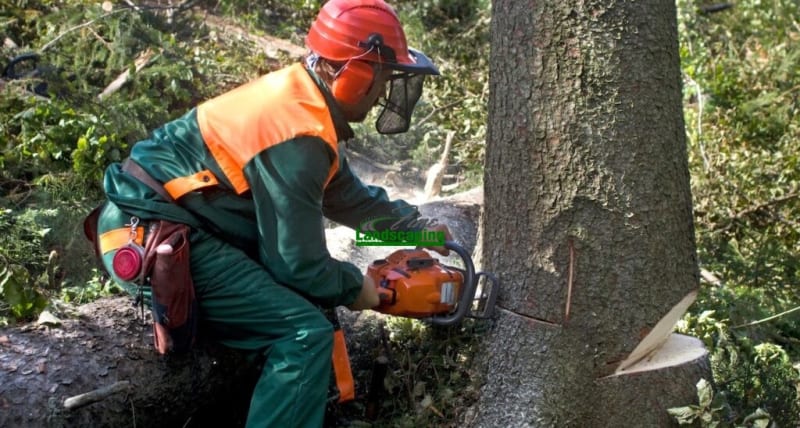
As March arrives and the first signs of spring appear across South London and Surrey, gardeners throughout the South East are turning their attention to preparing their outdoor spaces for the growing season ahead. Whilst many focus on flowerbeds and lawns, one crucial aspect often overlooked is the health and maintenance of trees. This is where professional tree surgery becomes invaluable.
Spring tree surgery is about more than just aesthetics—it's essential preparation that sets your garden up for a thriving, safe, and beautiful year ahead. Let's explore why now is the ideal time to assess your trees and what work might be needed before the full flush of spring growth begins.
Why March Is Ideal for Tree Surgery
The transitional period between winter dormancy and spring growth provides a perfect window for tree surgery work. During March, most deciduous trees in our region remain dormant, meaning the sap hasn't yet started flowing vigorously. This timing offers several advantages for both the trees and the work itself.
Firstly, trees experience less stress when pruned during dormancy. The wounds heal more effectively once growth begins, reducing the risk of disease. Secondly, with leaves yet to appear, tree surgeons can see the structure of your trees far more clearly, identifying problematic branches, signs of disease, or structural weaknesses that might be hidden during summer months.
Weather conditions in South London and Surrey during March are typically more favourable than the wet, cold months of deep winter. This makes access easier and work safer, particularly important when dealing with larger specimens or trees near property boundaries—something many homeowners in our densely populated areas need to consider.
Essential Spring Tree Surgery Tasks
Understanding what tree surgery work your garden might need can feel overwhelming, but breaking it down into key tasks makes the process clearer. Here are the most important considerations for spring preparation:
- Crown thinning: Removing selective branches to allow more light and air through the canopy, promoting healthy growth and reducing wind resistance—particularly valuable for the sometimes blustery conditions we experience in the South East.
- Deadwood removal: Winter storms can leave dead or damaged branches that pose safety risks. Removing these before spring winds arrive is essential, especially for trees near homes, sheds, or boundary fences.
- Formative pruning: Young trees benefit enormously from careful pruning that encourages strong structure and attractive form as they mature.
- Crown reduction: For trees that have outgrown their space—a common issue in suburban gardens—professional reduction maintains health whilst managing size.
- Disease management: Identifying and addressing signs of disease, fungal infections, or pest damage before the growing season accelerates potential problems.
At Fine Landscaping, we regularly encounter gardens where years of neglect have left trees overgrown, structurally compromised, or dangerously close to buildings. Spring surgery can address these issues before they become expensive problems or safety hazards.
Tree Health Indicators to Watch For
Before spring growth masks potential problems, take time to inspect your trees carefully. Even without professional training, homeowners can spot warning signs that indicate the need for expert attention.
Look for obvious dead branches, which appear brittle and lack the subtle flexibility of living wood. Check for fungal growth around the base or on the trunk—mushrooms or bracket fungi often indicate internal decay. Examine the canopy for uneven growth, significant gaps, or branches that cross and rub against each other, creating wounds vulnerable to infection.
Cracks in major limbs or the trunk itself, particularly those running vertically, can indicate structural weakness. Trees leaning significantly, especially if this is a recent development, may have root problems requiring urgent assessment. In our clay-heavy Surrey soils, ground movement can affect tree stability, making regular professional inspections particularly worthwhile.
If you notice any of these issues, it's wise to consult qualified tree surgeons before spring arrives in earnest. What might seem like minor concerns can develop rapidly once trees enter their active growth phase.
Choosing the Right Tree Surgery Professionals
Tree surgery is skilled, potentially dangerous work that requires proper training, insurance, and equipment. When selecting professionals to work on your property, always verify they hold relevant qualifications such as NPTC (National Proficiency Tests Council) certification and carry comprehensive public liability insurance.
Reputable companies will happily provide references and examples of previous work. They should conduct thorough assessments before quoting, explaining what work is necessary and why. Be wary of anyone recommending extensive tree removal without clear justification—good tree surgeons aim to preserve healthy trees whenever possible.
Local knowledge matters too. Companies familiar with South London and Surrey understand the tree species common to our area, the soil conditions, local planning regulations, and conservation areas where additional permissions may be required. Fine Landscaping's experience across the region means we're well-versed in these local considerations, ensuring work proceeds smoothly and legally.
Professional tree surgery also considers the broader garden ecosystem. Timing work to avoid nesting season (which begins in earnest from April onwards), protecting surrounding plants during access, and disposing of waste responsibly all form part of a quality service.
Beyond Surgery: Spring Tree Care
Once any necessary surgery is complete, supporting your trees through the growing season helps maximise the benefits. A generous layer of mulch around the base (keeping it clear of the trunk itself) retains moisture and suppresses weeds. For younger trees, ensuring adequate watering during dry spells—which we often experience in the South East despite our reputation for rain—promotes strong establishment.
Consider whether your trees might benefit from feeding. Whilst established trees in good soil typically manage well, those in poor conditions or recovering from significant surgery may appreciate a slow-release fertiliser applied as growth begins.
Spring is truly an investment season for your garden. The tree surgery work you commission now creates the foundation for healthy, attractive trees that enhance your property's value, provide wildlife habitat, and offer shade and beauty throughout the year. If you're uncertain about your trees' needs as we move towards the growing season, seeking professional advice ensures you make informed decisions that benefit both your garden and your peace of mind.