
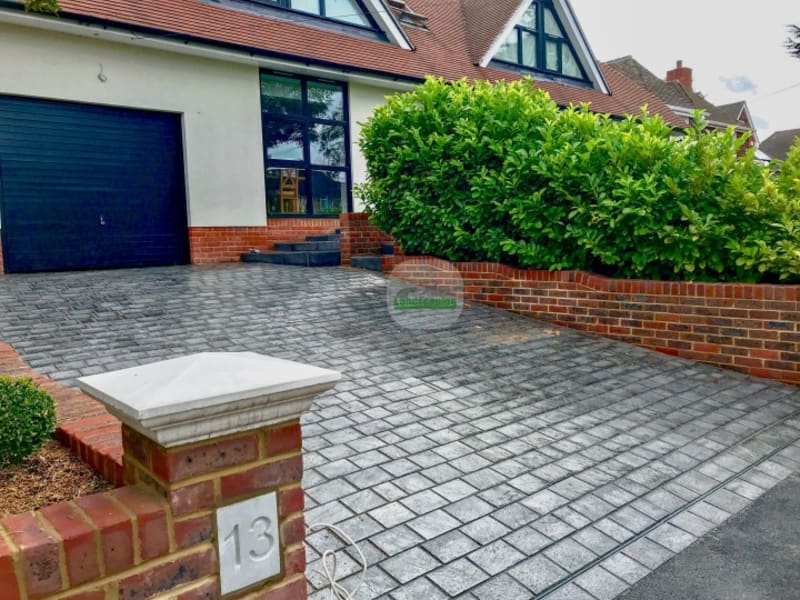
As March arrives and the first signs of spring emerge across South London and Surrey, gardeners throughout the South East are turning their attention to outdoor spaces. Whilst flowerbeds and lawns often take centre stage during spring preparation, your garden paving deserves equal consideration. After enduring months of winter weather, your patios, pathways, and paved areas require attention to look their best for the growing season ahead.
Spring presents the ideal opportunity to assess, repair, and revitalise your paving. The milder temperatures make outdoor work more pleasant, whilst addressing issues now prevents further deterioration during the active garden months. Whether you're planning to entertain guests over summer or simply want to enjoy your outdoor space, investing time in your paving this spring will pay dividends throughout the year.
Assessing Winter Damage to Your Paving
The freeze-thaw cycles characteristic of British winters can wreak havoc on paving materials. Water seeps into small cracks, freezes, expands, and causes existing damage to worsen. This March, conduct a thorough inspection of all paved areas in your garden.
Look out for these common issues:
- Cracked or broken pavers – Individual slabs may have fractured under pressure or impact
- Sunken or uneven surfaces – Poor drainage or soil movement can cause areas to sink, creating trip hazards
- Loose or missing pointing – The mortar or sand between pavers often deteriorates over winter
- Weed growth – Spring warmth encourages weeds to establish themselves in joints and cracks
- Staining and discolouration – Algae, moss, and general grime accumulate during wet winter months
- Poor drainage – Standing water indicates inadequate falls or blocked drainage channels
Identifying these issues early allows you to prioritise repairs before they escalate. Minor cracks can become major structural problems if left unaddressed, whilst poor drainage can undermine entire paved areas over time.
Spring Cleaning Your Paved Surfaces
Once you've assessed the condition of your paving, a thorough spring clean should be your first task. The damp conditions we often experience in South London and Surrey during early spring are actually ideal for cleaning paving, as the moisture helps lift stubborn dirt.
Begin by clearing away any debris, leaves, and loose dirt with a stiff brush. For a deeper clean, consider pressure washing, but exercise caution – excessive pressure can damage pointing and even the paving material itself. Hold the nozzle at an angle rather than directly perpendicular to the surface, and maintain a safe distance of around 30 centimetres.
For stubborn algae and moss, particularly common in our region's shaded areas, specialised patio cleaners work effectively. Choose products suitable for your specific paving material, as some natural stones require gentler treatment than concrete or porcelain pavers. Always test cleaning solutions on an inconspicuous area first.
After cleaning, allow your paving to dry thoroughly before considering sealant application. This typically requires several dry days – something we hope for but cannot guarantee in the unpredictable spring weather of the South East!
Repairs and Maintenance for Spring
With your paving clean and dry, you can properly assess what repairs are needed. Small cracks in individual pavers might be filled with appropriate repair compounds, whilst severely damaged slabs should be replaced entirely. Matching existing materials can prove challenging, particularly with older installations, which is where professional expertise becomes invaluable.
Re-pointing is perhaps the most common spring maintenance task for paved areas. Whether your paving uses traditional mortar joints or polymeric sand, refreshing the pointing improves both appearance and structural integrity. This work is best undertaken during dry, mild weather – ideally when temperatures remain above 5°C at night – making late March through May an excellent window here in Surrey and South London.
For uneven or sunken paving, simply replacing the affected slabs rarely addresses the underlying issue. The sub-base must be properly prepared and compacted to prevent recurrence. This type of work requires experience and the right equipment to ensure longevity.
At Fine Landscaping, we regularly assist homeowners throughout South London and Surrey with these spring paving projects, from simple repairs to comprehensive renovations. Our team understands the specific challenges posed by our local soil conditions and climate, ensuring work is completed to the highest standards.
Planning New Paving Projects
Spring isn't just about maintenance – it's also the perfect time to consider new paving projects. Perhaps you've been contemplating a patio extension, a new garden path, or transforming a tired lawn into a low-maintenance paved seating area?
Planning now allows installation to proceed during the optimal weather window of late spring and early summer. You'll have time to explore materials, obtain quotes, and make informed decisions without rushing. Consider how new paving will integrate with your garden's growing season – will you incorporate planting pockets for softening? How will it complement existing landscaping?
Modern paving materials offer remarkable variety, from traditional natural stone that suits period properties common in our area, to contemporary porcelain pavers that deliver crisp, clean lines. Permeable paving options address both environmental concerns and practical drainage issues, particularly relevant given increasing rainfall intensity in the South East.
As you prepare your garden for spring, don't overlook the foundation that supports everything else – your paving. Whether addressing winter damage, conducting seasonal maintenance, or planning exciting new projects, the effort you invest now will enhance your outdoor space throughout the growing season and beyond. With proper care and professional support when needed, your paving will serve you beautifully for many years to come.