
As March arrives and the first signs of spring emerge across South London and Surrey, gardeners throughout the South East are eagerly preparing their outdoor spaces for the growing season ahead. This transitional period offers the perfect opportunity to assess winter's impact on your garden and take proactive steps to ensure a vibrant, healthy landscape in the months to come.
Whether you're tending to a compact town garden in Croydon or maintaining extensive grounds in the Surrey countryside, proper spring preparation is essential for achieving the lush, beautiful garden you've been dreaming of during those cold winter months.
Assessing Your Garden After Winter
Before diving into any major projects, take time to thoroughly inspect your garden. Walk around your property and note any damage caused by frost, wind, or heavy rainfall – all too common in our region during winter. Look for broken branches, waterlogged areas, damaged paving, and any signs of disease in plants.
This initial assessment will help you prioritise tasks and identify whether certain jobs require professional assistance. At Fine Landscaping, we often conduct spring garden surveys for clients across South London and Surrey, helping homeowners develop comprehensive action plans for the season ahead.
Key areas to inspect include:
- Trees and shrubs for broken or diseased branches
- Lawn condition, including moss growth and bare patches
- Drainage issues and waterlogged sections
- Fencing, gates, and garden structures for weather damage
- Paving and pathways for cracks or lifting
- Borders and beds for weed growth and soil condition
Essential Spring Groundwork Tasks
Once you've assessed your garden's condition, it's time to roll up your sleeves and tackle the foundational tasks that will set the stage for a successful growing season.
Soil preparation is paramount. After winter, soil often becomes compacted and depleted of nutrients. Begin by clearing away any remaining dead foliage and debris from borders. Then, gently fork over beds to aerate the soil without disturbing emerging bulbs or perennials. Incorporating well-rotted organic matter or compost will replenish nutrients and improve soil structure – particularly important in the clay-heavy soils common throughout much of Surrey and South London.
For lawns, March is ideal for scarifying and aerating. Remove moss and thatch buildup using a spring-tine rake, then aerate compacted areas with a garden fork or specialist aerator. This allows oxygen, water, and nutrients to reach grass roots more effectively. Consider overseeding any bare patches and applying a spring lawn feed to encourage lush, green growth.
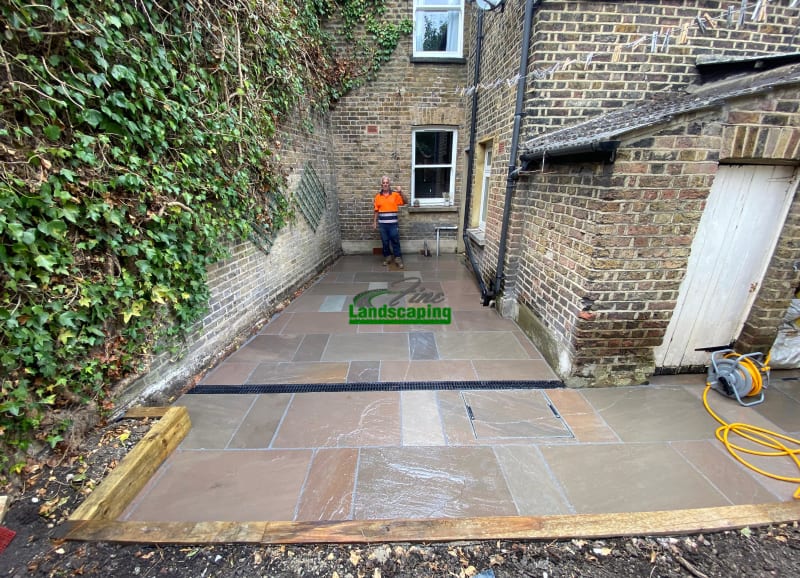
Don't overlook your hard landscaping elements. Clean patios, decking, and pathways using a pressure washer or stiff brush to remove algae and winter grime. Check for any structural issues that need addressing – it's far better to repair loose paving stones now than wait until they become a safety hazard during summer garden parties.
Pruning and Planting for Spring Success
March is a crucial month for pruning many plants. Summer-flowering shrubs benefit from pruning now, as do roses – cut back to healthy, outward-facing buds to encourage a pleasing shape and abundant blooms. However, avoid pruning spring-flowering shrubs that have already set buds; wait until after they've finished flowering.
For fruit trees, late winter and early spring pruning helps maintain structure and encourages productive growth. If you're uncertain about proper pruning techniques, it's worth consulting with professionals. The team at Fine Landscaping regularly assists South London and Surrey homeowners with specialist pruning work, ensuring plants remain healthy and attractive.
Spring is also an excellent time for planting. Bare-root trees and shrubs can still be planted in March if the ground isn't frozen, whilst container-grown plants can go in throughout spring. Consider incorporating native species that thrive in our South East climate, such as hawthorn, field maple, or English oak. These support local wildlife and require less maintenance once established.
Start planning your seasonal colour as well. Hardy annuals can be sown directly outdoors towards the end of March, whilst half-hardy bedding plants can be started in a greenhouse or on windowsills, ready for planting out after the last frost.
Creating a Maintenance Schedule
A beautiful garden doesn't happen by accident – it requires consistent attention throughout the growing season. Develop a realistic maintenance schedule that fits your lifestyle and commitments. Even dedicating an hour or two each week can make an enormous difference.
Consider which tasks you enjoy and which you'd prefer to delegate. Many South London and Surrey homeowners find that whilst they love planting and designing, they prefer professionals to handle the heavy groundwork, complex pruning, or regular lawn maintenance. This hybrid approach allows you to enjoy your garden without it becoming overwhelming.
Regular weeding is essential during spring when weeds grow rapidly. Tackle them whilst they're small, before they set seed or establish deep root systems. Mulching borders with organic matter or decorative bark helps suppress weeds whilst retaining moisture and regulating soil temperature.
As temperatures rise, remember to gradually increase watering, particularly for new plantings and container displays. Installing water butts to collect rainwater is both environmentally responsible and practical, especially during the occasional hosepipe bans we experience in the South East.
The reward for thorough spring preparation is a garden that thrives throughout summer and beyond. Whether you tackle everything yourself or enlist professional help for certain aspects, investing time now will pay dividends as the season progresses. Your outdoor space will become the welcoming, beautiful retreat you deserve – perfect for entertaining, relaxing, or simply enjoying the fruits of your labour on those long, sunny evenings that lie ahead.