
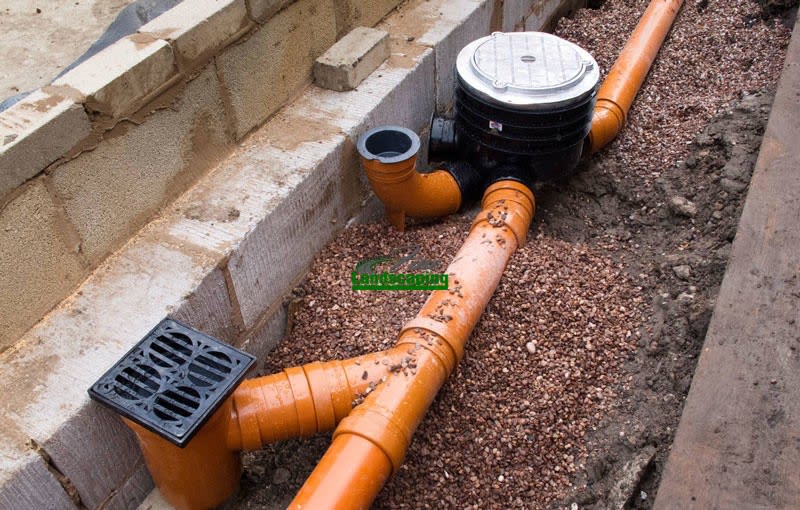
As March arrives and the first signs of spring emerge across South London and Surrey, gardeners are eager to get outdoors and prepare their plots for the growing season ahead. However, after the typically wet winter months we experience in the South East, many gardens are left waterlogged and struggling with drainage issues that can seriously hamper your spring planting plans.
Before you start sowing seeds or setting out new plants, it's crucial to address any drainage problems in your garden. Poor drainage doesn't just create muddy patches and soggy lawns—it can lead to root rot, fungal diseases, and the loss of valuable plants. The good news is that early spring is the perfect time to assess and improve your garden's drainage system.
Why Spring Drainage Matters
The transition from winter to spring presents unique challenges for gardens in our region. Surrey and South London typically receive substantial rainfall through the winter months, and the clay-heavy soils common in the South East are particularly prone to waterlogging. When spring arrives and you're ready to plant, standing water and saturated soil can prevent proper root development and create anaerobic conditions that kill beneficial soil organisms.
Moreover, many of us are keen to make the most of the milder weather by establishing new lawns, creating vegetable patches, or installing new borders. All of these projects depend on having well-drained soil as their foundation. Addressing drainage issues now means you won't waste money on plants that struggle to survive in waterlogged conditions.
Identifying Drainage Problems in Your Garden
Before you can solve a drainage issue, you need to identify where and why water is accumulating. Here are some telltale signs that your garden needs drainage attention:
- Standing water that remains for more than a day after rainfall
- Moss growth on lawns or paved areas, indicating constant moisture
- Soggy or spongy patches that squelch underfoot
- Poor plant health in certain areas, with yellowing leaves or stunted growth
- Surface water run-off that pools against buildings or flows into neighbouring properties
Take a walk around your garden after a period of rain and make note of problem areas. Pay particular attention to low-lying spots, areas at the bottom of slopes, and anywhere that water naturally collects. This assessment will help you determine whether you need simple improvements or more comprehensive drainage solutions.
Practical Solutions for Common Drainage Issues
Depending on the severity of your drainage problems, there are several approaches you can take this spring:
Improving soil structure: For minor drainage issues, particularly in heavy clay soils typical of our area, you can improve water absorption by incorporating organic matter. Dig in plenty of well-rotted compost, leaf mould, or composted bark to break up clay particles and create better soil structure. This is ideal preparation before spring planting begins in earnest.
Creating soakaways: If you have a specific area where water collects, a soakaway can provide an effective solution. This involves digging a hole (typically about one metre cubed) and filling it with rubble or coarse gravel, allowing water to disperse gradually into the surrounding soil. This is particularly useful for managing water from downpipes or paved areas.
Installing French drains: For more persistent problems, a French drain—a gravel-filled trench containing a perforated pipe—can redirect water away from problem areas. These are excellent for dealing with water that runs down slopes or collects along boundaries.
Improving lawn drainage: If your lawn remains waterlogged, spring is an ideal time for aeration. Use a garden fork or hollow-tine aerator to create channels that allow water to drain through the surface. Follow this by brushing in a sandy top-dressing to improve long-term drainage.
When to Call in the Professionals
Whilst some drainage improvements are manageable DIY projects, more complex issues benefit from professional expertise. At Fine Landscaping, we regularly work with homeowners across South London and Surrey to design and install comprehensive drainage solutions that protect gardens and properties from water damage.
Professional drainage assessment can identify underlying issues that aren't immediately obvious, such as broken drains, compacted subsoil, or water table problems. We can also ensure that any drainage work complies with local regulations and doesn't inadvertently cause problems for neighbouring properties—an important consideration in our densely populated area.
Large-scale projects, such as installing land drains across entire gardens, regrading lawns to improve surface water flow, or creating integrated drainage systems that manage both rainwater and groundwater, require specialist equipment and expertise to execute properly.
As we move through March and into April, the window for completing major drainage work before the peak growing season narrows. If you're concerned about drainage in your garden, now is the time to take action. Whether you tackle minor improvements yourself or invest in professional drainage solutions, addressing these issues now will pay dividends throughout the spring and summer months.
A well-drained garden is the foundation for successful planting, healthy lawns, and outdoor spaces you can actually use and enjoy—even after typical British downpours. Don't let poor drainage wash away your spring gardening ambitions this year.