
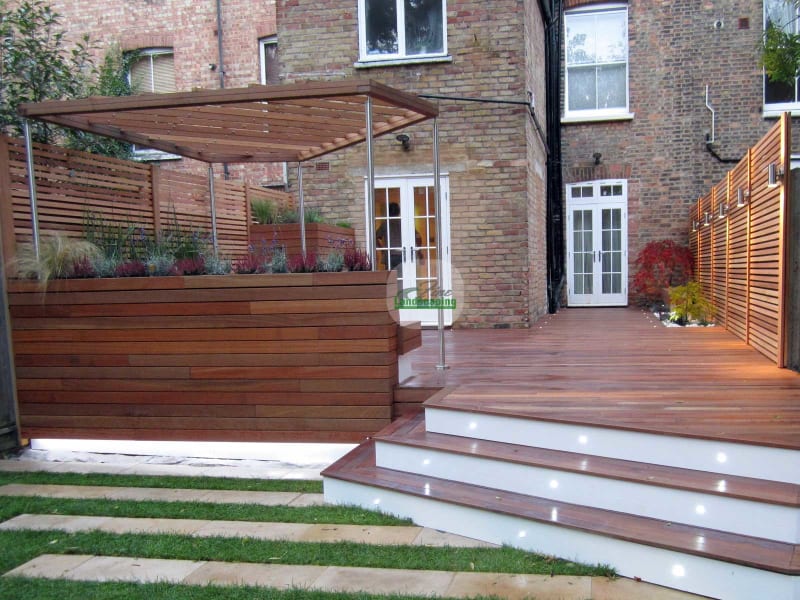
As March arrives and the first signs of spring emerge across South London and Surrey, it's the perfect time to turn your attention to your garden decking. After months of winter weather, rain, frost, and general neglect, your deck likely needs some attention before it becomes the centrepiece of your outdoor entertaining space once again.
Garden decking remains one of the most popular features in South East England homes, providing a versatile outdoor living area that bridges the gap between house and garden. However, to keep your deck looking its best and ensure it remains safe and structurally sound, spring maintenance is essential. Let's explore how you can prepare your decking for the growing season ahead.
Assessing Winter Damage and Structural Integrity
Before diving into cleaning and cosmetic improvements, start with a thorough inspection of your deck's condition. Winter in the South East, whilst relatively mild compared to other parts of the UK, still takes its toll on outdoor timber and composite materials.
Walk across your entire deck, checking for:
- Loose or protruding nails and screws that may have worked free during freeze-thaw cycles
- Splintered, cracked, or warped boards that could pose safety hazards
- Wobbly railings or balustrades that need tightening
- Signs of rot, particularly where water pools or around support posts
- Green algae or slippery patches that have developed in shaded areas
- Gaps between boards that may have widened or narrowed with seasonal timber movement
If you discover significant structural issues, it's worth consulting professionals like the team at Fine Landscaping, who can assess whether repairs or partial replacement might be necessary. Sometimes, what appears to be a minor issue can indicate more serious problems beneath the surface.
Deep Cleaning Your Deck for Spring
Once you're confident in your deck's structural soundness, it's time for a proper spring clean. This is arguably the most important maintenance task you'll undertake all year, as it removes the accumulated dirt, algae, and organic matter that can accelerate timber decay.
For timber decking:
Start by clearing everything off the deck – furniture, planters, and any debris that's accumulated over winter. Sweep thoroughly, paying particular attention to gaps between boards where leaves and dirt collect. This organic matter retains moisture and can lead to rot if left in place.
Next, apply a specialist decking cleaner suited to your timber type. Many homeowners across Surrey opt for oxygen-based cleaners, which are effective yet environmentally friendly – an important consideration when runoff may affect your garden plants. Work in sections, scrubbing with a stiff brush along the grain of the wood. Avoid pressure washers set too high, as they can damage timber fibres and actually shorten your deck's lifespan.
For composite decking:
Whilst composite materials require less maintenance than timber, they still benefit from spring cleaning. Use warm soapy water and a soft brush for routine cleaning. For stubborn stains or mould, composite-specific cleaners are available. The beauty of composite decking, increasingly popular in South London gardens, is that it won't require the treatment stage that follows timber cleaning.
Treatment, Staining, and Protection
After cleaning timber decking, allow it to dry completely – this typically takes at least 48 hours in March weather conditions across the South East. Once dry, assess whether your deck needs treating or staining.
Most timber decks benefit from treatment every 1-2 years, though this depends on the wood type, existing finish, and exposure to elements. Signs that treatment is due include:
- Faded or greying timber colour
- Water no longer beading on the surface
- Areas of discolouration or weathering
- Rough texture developing on previously smooth boards
When selecting a decking oil, stain, or preservative, consider both aesthetics and protection. Oils penetrate deep into timber, enhancing natural grain whilst providing water resistance. Stains offer more colour options and can help tired decking look refreshed. Always choose products suitable for exterior use and safe for use around plants and pets.
Application is best done during mild, dry weather – those increasingly common sunny March days we're experiencing more frequently in recent years are ideal. Apply according to manufacturer instructions, typically working along the grain with a brush or roller. Two thin coats usually provide better protection than one thick coat.
Finishing Touches and Seasonal Preparation
With cleaning and treatment complete, consider these final steps to fully prepare your deck for spring and summer:
Replace or repair damaged elements: Now is the time to tighten loose railings, replace damaged boards, or fix squeaky sections. These jobs are far easier to tackle before you've arranged furniture and begun using the space regularly.
Consider drainage improvements: If you noticed standing water during winter, think about adjusting the drainage around your deck. This might involve clearing blocked drainage channels, adjusting surrounding soil levels, or even installing additional drainage solutions.
Plan your layout: Before the season truly begins, think about how you'll use your deck. Will you add container plants? Position seating areas? Create a dining space? Planning now means you can make any necessary adjustments whilst the deck is clear.
Protect for the future: Consider investing in furniture covers, plant pot feet to prevent staining, and perhaps outdoor rugs for high-traffic areas. These simple additions can significantly reduce wear and make next year's spring preparation even easier.
Professional landscapers like Fine Landscaping often recommend that homeowners in South London and Surrey tackle decking maintenance in March or early April, before the garden truly springs to life and outdoor living begins in earnest. This timing ensures your deck is ready for those first warm days when you're eager to enjoy your garden.
Whether you're confident tackling this work yourself or prefer to bring in experienced professionals, spring decking preparation is an investment that pays dividends throughout the warmer months. A well-maintained deck not only looks better and lasts longer but provides a safer, more enjoyable outdoor space for your family throughout the growing season and beyond.