
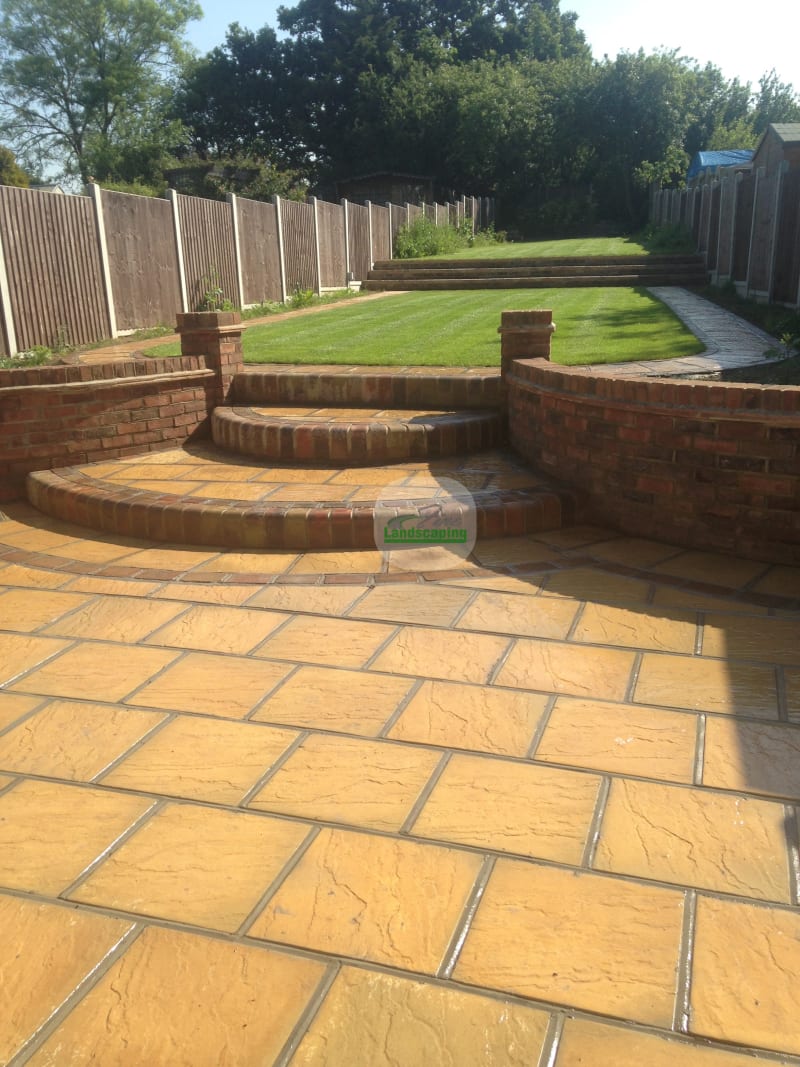
If you own a Victorian or Edwardian terraced house in Tooting, you're likely familiar with the challenge of making the most of a 30-50 foot garden. These classic SW17 properties dominate streets like Franciscan Road and Lessingham Avenue, and whilst their gardens may be compact, they hold enormous potential for creating beautiful outdoor living spaces.
With June 2026 bringing longer evenings and warmer weather, there's never been a better time to reimagine your terraced garden. We've helped countless Tooting homeowners transform their small plots into multi-functional spaces perfect for summer entertaining, and we're sharing our best ideas here.
Understanding Your Tooting Terraced Garden
Before diving into design ideas, it's worth understanding what makes Tooting gardens unique. The typical terraced garden in SW17 runs 30-50 feet deep and approximately 15-20 feet wide, giving you roughly 50-100 square metres to work with.
The soil here is predominantly London clay with Thames gravel deposits, which actually gives you slightly better drainage than areas further south. When amended with organic matter, it provides a reasonable foundation for planting. We always test soil before starting any Garden Design services project.
Another consideration for properties near Tooting Bec Common or along Brudenell Road: overhanging trees from common land can create significant shade. This influences your plant choices and where you position seating areas for maximum sunshine.
Multi-Level Garden Designs for Terraced Houses
One of the most effective ways to maximise a small Tooting garden is through creating distinct levels. This approach visually expands the space whilst creating natural zones for different activities.
We recently completed a project on Franciscan Road that perfectly demonstrates this principle. The garden featured a raised Corten steel planter that doubled as a seating wall, effectively dividing the dining area from the lower lawn whilst adding vertical interest. The weathered steel created a contemporary contrast against the Victorian brickwork.
Raised beds serve multiple purposes in terraced gardens. They improve drainage (essential with London clay), bring planting to eye level, and create built-in seating when designed with wide capping stones. For SW17 homeowners who've added basement extensions, raising part of the garden also helps balance the scale.
Creating Zones Without Walls
Not every level change needs to be structural. You can create subtle zones using different paving materials, gravel borders, or low planting. On smaller plots, this maintains an open feel whilst still defining distinct areas for dining, lounging, and planting.
| Level Change Method | Cost per Linear Metre | Best For |
|---|---|---|
| Raised timber sleepers | £120-£180 | Informal cottage gardens |
| Brick or stone walls | £200-£350 | Period properties, formal designs |
| Corten steel planters | £300-£500 | Contemporary spaces |
| Rendered block walls | £180-£280 | Modern minimalist gardens |
Paving Solutions for Compact Gardens
The paving you choose dramatically affects how spacious your garden feels. For Tooting terraced houses, we typically recommend light-coloured porcelain tiles or natural stone in larger formats.
On our Franciscan Road project, we used porcelain tiles in a staggered bond pattern. This created visual movement down the garden's length, making the space feel longer than its actual 40 feet. Porcelain tiles are also low-maintenance and won't stain from barbecue drips during summer entertaining.
If you're in the Tooting Bec Common Conservation Area or Totterdown Fields Conservation Area, check with the London Borough of Wandsworth before making significant changes. Whilst rear gardens typically have more flexibility than front gardens, Listed Buildings require particular care. Our Garden Design in Tooting service includes planning guidance.
Permeable Paving Considerations
With London's increasingly strict drainage regulations, permeable paving isn't just environmentally sound—it can save you from needing complex drainage solutions. Gravel, permeable pavers, or porous resin-bound surfaces allow rainwater to soak through naturally.
This matters particularly in Tooting, where the clay soil can create waterlogging. We often combine impermeable Patios in main seating areas with permeable pathways and borders.
Vertical Growing and Green Walls
When ground space is limited, think vertically. The boundary walls in Tooting terraced gardens are your greatest asset for expanding planting capacity without sacrificing floor space.
Climbing plants like jasmine, clematis, or roses can transform a plain brick wall into a living feature. On our Franciscan Road project, we planted star jasmine against the outdoor cinema screen wall, providing fragrance during summer evenings and year-round evergreen coverage.
We always recommend installing proper support structures before planting climbers. Trellis fixed with spacers allows air circulation behind plants, preventing damp issues on your boundary walls.
For properties backing onto Tooting Bec Common or with north-facing aspects, shade-tolerant climbers like climbing hydrangea or ivy work beautifully. The borrowed landscape views from gardens near the commons can be enhanced by framing them with vertical planting.
Living Wall Systems
If you're after something more contemporary, modular living wall systems create instant impact. These are particularly effective for basement extension walls or contemporary properties near Tooting station. Costs range from £200-£400 per square metre installed, but they deliver immediate results.
Outdoor Entertaining Spaces for Summer
SW17 homeowners are increasingly using their gardens as extensions of their living space, especially during June's long evenings. Creating a dedicated entertaining zone is worth prioritising in your design.
A typical 40-foot Tooting garden can comfortably accommodate a 3x3 metre dining area, which seats six to eight people. Position this closer to your house for easy access to the kitchen, and consider extending your kitchen lighting with outdoor wall lights or festoon lighting.
For properties with loft conversions or larger families, the garden needs to work harder. We often incorporate flexible spaces that transition from children's play areas during the day to adult entertaining zones in the evening. Artificial Grass in play zones withstands heavy use whilst maintaining a green appearance.
Outdoor Cooking and Dining
Built-in barbecues or outdoor kitchens are increasingly popular, but they need careful planning in small spaces. A compact pizza oven or built-in barbecue can be incorporated into raised planters or Garden Walls, creating a focal point that doesn't dominate the garden.
Water and electricity supplies are easier to plan during initial construction, so if you're considering outdoor cooking, include it from the start rather than retrofitting later.
Planting Schemes for Small Tooting Gardens
The right planting makes small gardens feel lush without overwhelming them. We favour a layered approach: structural evergreens for year-round interest, seasonal flowering plants for colour, and ornamental grasses for movement.
For Tooting's clay soil, choose plants that tolerate these conditions: salvias, geraniums, heucheras, and Japanese anemones all perform well. Adding organic matter annually improves soil structure, allowing you to expand your plant palette.
Properties near Tooting Bec Lido or along Tooting High Street may experience slightly warmer microclimates due to urban heat, allowing you to experiment with more tender plants like hardy palms or Mediterranean species.
Dealing with Shade from Common Land Trees
If your garden backs onto Tooting Bec Common or Tooting Graveney Common, overhanging trees create shade challenges. Rather than fighting this, embrace it with shade-loving plants: ferns, hostas, astilbias, and hellebores create beautiful woodland-style plantings.
The dappled shade these trees provide can actually be an asset during hot summers, creating comfortable seating areas when full-sun gardens become uncomfortably warm.
Smart Storage Solutions
Every Tooting terraced house needs garden storage, but traditional sheds consume precious space. We recommend built-in storage benches, slim storage cupboards along boundaries, or even creating storage beneath raised Decking areas.
For Victorian and Edwardian properties, bespoke timber storage painted to match your fence colour integrates seamlessly. Modern properties can incorporate sleek powder-coated metal storage that doubles as design features.
Bicycle storage is another consideration for SW17 homeowners. Wall-mounted bike racks or discrete bike stores keep bicycles accessible without cluttering your outdoor living space.
Water Features and Ambient Elements
Even the smallest Tooting garden can accommodate a water feature. The sound of water creates a relaxing atmosphere and masks traffic noise from Tooting High Street or surrounding roads.
Our Franciscan Road project included a compact water feature that provided gentle sound without occupying significant floor space. Wall-mounted water features or small bubble fountains within raised planters work particularly well in terraced gardens.
Solar-powered water features eliminate the need for electrical wiring, though mains-powered options provide more reliable flow. Budget £300-£800 for a quality small water feature including installation.
Practical Considerations Before You Start
Before beginning any garden transformation, remember the access challenge. We always conduct a site survey to plan material delivery—whether that's carrying everything through your house or arranging crane access over your roof. This affects both timing and costs.
For properties on Lessingham Avenue or similar streets with rear access from service roads, delivery becomes easier. However, most Tooting terraces require creative logistics planning.
If you've recently added a basement extension, ensure your garden design addresses potential drainage issues. We typically install French drains or channel drainage to prevent water accumulating near basement walls.
For comprehensive guidance on designing your outdoor space, see our complete guide for South London.
Ready to Transform Your Tooting Garden?
We specialise in creating beautiful, functional gardens for South London terraced houses. Get expert design advice and a transparent quote with no obligation.
Get Free QuoteFrequently Asked Questions
How much does it cost to redesign a typical Tooting terraced garden?
For a standard 40-foot Tooting terraced garden (approximately 60-80m²), expect to invest £8,000-£15,000 for a complete redesign including paving, raised beds, planting, and features. Basic makeovers focusing on paving and simple planting start around £5,000, whilst high-specification designs with premium materials, water features, and extensive planting can reach £20,000-£25,000. The lack of side access in most SW17 terraces adds approximately 10-15% to material delivery costs compared to properties with vehicular access.
How long does a terraced garden transformation take in Tooting?
Most complete garden redesigns take 2-4 weeks from start to completion, depending on complexity and weather. The first few days involve clearing existing materials and preparing groundworks, followed by construction of hard landscaping (paving, walls, raised beds), then planting and finishing touches. Access limitations in Tooting terraces mean we schedule material deliveries carefully, sometimes extending timelines slightly compared to properties with easier access. We typically recommend starting projects in spring or early autumn for best planting results, though summer work is certainly possible.
Do I need planning permission for garden changes in Tooting's conservation areas?
Most rear garden work doesn't require planning permission, even in Tooting Bec Common Conservation Area or Totterdown Fields Conservation Area. However, structures over 2 metres high within 2 metres of a boundary, or any building over 4 metres high, typically need approval. Listed Buildings require Listed Building Consent for any alterations. The London Borough of Wandsworth's planning department can provide specific guidance for your property. We always recommend checking before starting major works, and can help navigate these requirements as part of our design service.
What plants grow well in Tooting's clay soil?
London clay, which dominates SW17, supports many beautiful plants when properly amended with organic matter. Excellent choices include roses, geraniums, salvias, Japanese anemones, heucheras, and ornamental grasses like miscanthus. Shrubs such as hydrangeas, viburnums, and cornus thrive in clay conditions. For shaded gardens near the commons, ferns, hostas, hellebores, and astilbias perform exceptionally well. We always recommend incorporating compost and ensuring good drainage in planting areas, which transforms clay from a challenge into a moisture-retentive asset during dry summers.
How do you deliver materials to Tooting terraced houses with no side access?
We use three main methods depending on your specific property and project scale. For smaller projects, materials are carefully carried through the house with floor protection. For larger projects requiring tonnes of paving or aggregate, we arrange crane delivery over the roof, which requires road closure permits from Wandsworth Council. Some streets like Franciscan Road and Brudenell Road have rear access from service roads, making delivery easier. We assess access during our initial site survey and factor delivery logistics into project planning and costs, so you won't face unexpected complications.