
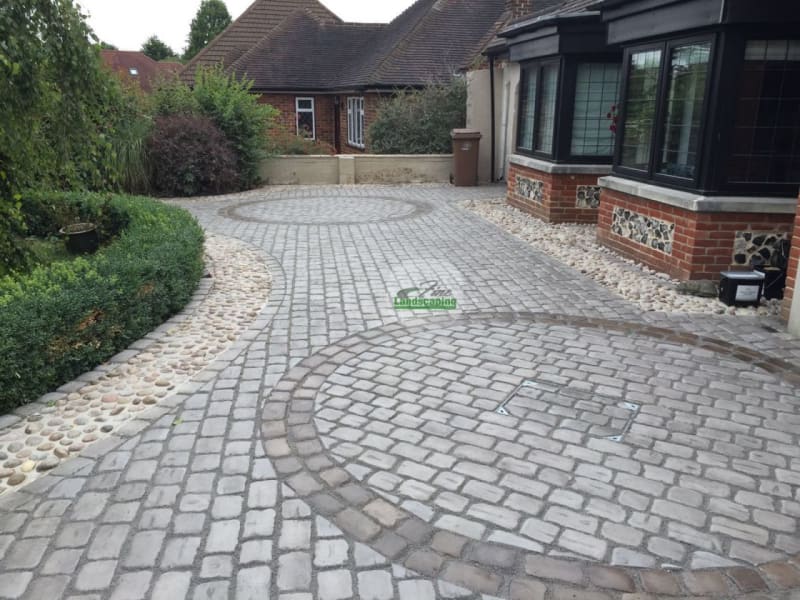
As a landscaping company based right here in Norbury, we've installed more resin driveways along Green Lane, Norbury Crescent, and the surrounding streets than we can count. April brings the perfect conditions for driveway installations—the ground has dried out enough from winter, but we're not yet facing summer's clay shrinkage issues that plague SW16 properties.
Resin driveways have become increasingly popular among Norbury homeowners, particularly those living in the large Edwardian and 1920s semis that characterise our area. But not all resin solutions are created equal, and understanding your options can save you thousands while ensuring your driveway lasts for decades on our challenging clay soil.
Why Norbury Homeowners Choose Resin Driveways
The typical Norbury property—whether it's a Victorian terrace near the station or one of those handsome Edwardian semis along Norbury Crescent—faces unique challenges when it comes to driveways. The heavy London clay beneath our feet is notorious for causing problems with traditional paving materials.
We've seen countless block paving driveways along London Road and Pollards Hill South where the clay movement has caused subsidence, cracking, and uneven surfaces. Resin bound surfaces, when properly installed on a suitable sub-base, move as one flexible sheet rather than individual blocks, making them far more resistant to the clay's seasonal expansion and contraction.
For homeowners converting front gardens to parking—increasingly common along the main roads—resin bound driveways also meet the London Borough of Croydon's requirements for permeable surfaces. The council encourages SuDS-compliant installations, and a properly installed resin bound surface allows water to drain through rather than run off into already-stressed street drains.
Understanding Your Resin Options: Bound vs Bonded
This is where many Norbury homeowners get confused when comparing quotes. There are two fundamentally different resin driveway systems, and the price difference is significant.
Resin Bound Systems
Resin bound is the premium option we typically recommend for Driveways in Norbury. The aggregate stones are thoroughly mixed with resin before being trowelled onto a prepared base, creating a smooth, porous surface. Water drains straight through the entire depth of the surface.
This system is fully permeable, meeting planning requirements without needing additional drainage. It's also incredibly durable—we've installed resin bound driveways on properties near Norbury Park that still look pristine after fifteen years.
Resin Bonded Systems
Resin bonded is the more affordable option. Here, resin is spread onto the base and loose aggregate is scattered on top. It creates a textured, grippy surface but isn't permeable—water runs off the surface rather than through it.
For SW16 homes, this means you'll need proper drainage channels and possibly soakaways, especially given our clay soil's poor natural drainage. However, for certain applications—perhaps a side path or a small parking area—it can be a cost-effective choice.
| System Type | Cost per m² | Permeability | Best For |
|---|---|---|---|
| Resin Bound | £80-£120 | Fully permeable | Main driveways, meeting planning rules |
| Resin Bonded | £45-£70 | Non-permeable | Smaller areas with drainage provision |
Real Costs for Norbury Driveways
Let's talk numbers. We believe in transparent pricing, and as we're based here in Norbury, we understand exactly what local homeowners face.
A typical driveway for one of the Edwardian semis along Green Lane—usually around 40-50m²—will cost between £3,200 and £6,000 for a resin bound installation. That includes full excavation (essential in our clay), a properly constructed sub-base with drainage provision, and the resin bound surface itself.
The variation depends on several factors specific to Norbury properties. Houses with existing concrete bases in good condition cost less—we can overlay directly. However, many older driveways require complete removal, and excavating through London clay adds labour time and disposal costs.
Drainage is the other significant cost factor. Our clay holds water terribly, so most installations require either connection to existing drainage or installation of soakaways. On a recent project on Norbury Crescent—our flagship local transformation—we installed twin soakaways to handle both the new driveway and the large patio we created in the rear garden. This added approximately £800 to the project but was absolutely essential given the site's clay conditions.
Budget-Friendly Options That Actually Work
If your budget is tight, here are approaches we've successfully used for Norbury clients:
- Phased installation: Install the sub-base and drainage this spring, then add the resin surface later when budget allows
- Smaller coverage area: Create two parallel wheel tracks in resin with gravel between—costs 40% less while still providing firm surfaces
- Resin bonded for secondary areas: Use premium resin bound for the main driveway, bonded for side paths
- Simple colour choices: Natural aggregate colours cost less than specialist decorative options
We never recommend skimping on the groundwork. On Norbury's clay, a cheap installation without proper drainage and sub-base preparation will fail within five years. It's always better to reduce the area covered than to cut corners on the foundation.
The Norbury Clay Factor: Why Groundwork Matters
This isn't generic advice—this is what we've learned from hundreds of installations across SW16. The heavy clay beneath Norbury properties demands respect.
Drive along any street near Norbury Station in winter and you'll see standing water on front gardens. Come summer, you'll see those same gardens cracked and hard as concrete. This dramatic seasonal movement destroys poorly installed driveways regardless of the surface material.
For resin driveways to succeed here, we follow a specific approach:
- Full excavation to firm subgrade: Usually 200-250mm depth for domestic driveways
- Installation of drainage layer: 100mm of clean angular stone (MOT Type 3 or similar) provides drainage beneath the main sub-base
- Compacted load-bearing base: 100mm of MOT Type 1, thoroughly compacted in layers
- Geotextile membrane: Separates layers and prevents clay contamination
- Edge restraints: Proper kerbing prevents lateral spread
- Resin surface: 18mm minimum depth for domestic driveways
Skip any of these steps on clay soil and you're gambling with thousands of pounds. We've been called to repair failed installations where other contractors took shortcuts, and the full replacement cost always exceeds what proper installation would have cost initially.
Planning Permission and Croydon Council Requirements
One advantage of working locally is that we know exactly what the London Borough of Croydon requires. Norbury doesn't sit within any designated conservation areas, which simplifies matters, but there are still important regulations.
For front garden conversions—common along London Road and Green Lane where on-street parking is challenging—you'll need planning permission unless your driveway is permeable or drains to a lawn or border. Resin bound surfaces satisfy this requirement automatically because they're fully permeable.
If you choose resin bonded (non-permeable), you'll need either planning permission or a drainage solution that directs water to a permeable area rather than the street. We've designed several systems using linear drainage channels that direct water to planted borders, satisfying the regulations without formal planning applications.
Design Options for Norbury's Property Styles
The beauty of resin systems is their flexibility. Unlike block paving which comes in standard sizes, or tarmac which is relentlessly black, resin bound surfaces offer genuine design possibilities that complement Norbury's varied architectural styles.
For Edwardian properties along Norbury Crescent, we often recommend natural aggregate blends in warm honey or golden tones that complement the London stock brick. A simple border in contrasting colour can echo the decorative tile paths many of these homes retain in their rear gardens.
Victorian terraces near the station suit slightly darker tones—granite silver or charcoal aggregates create smart, contemporary finishes that still respect the properties' character. These darker surfaces also show less staining from the inevitable tree droppings along leafy streets.
The inter-war houses common throughout SW16 work beautifully with varied aggregate sizes creating subtle texture. We've installed several driveways using 2-5mm aggregate in the main area with 1-3mm margins, creating visual interest without busy patterns.
Timing Your Installation: Why Spring Is Ideal
April through June represents the sweet spot for resin driveway installation in Norbury. The clay has dried sufficiently for proper excavation and compaction—try digging in February and you're dealing with a waterlogged, sticky mess that's impossible to compact properly.
Spring temperatures are also ideal for resin curing. The material needs temperatures above 10°C to cure properly, and while summer heat works, spring's moderate conditions provide the best curing environment. We can work comfortably, and resin sets with minimal risk of surface contamination from dust or falling leaves.
By late summer, clay shrinkage can create gaps between sub-base and subgrade. Spring installation allows the system to settle through one full seasonal cycle before facing its first winter test.
As local contractors, we're typically booked 4-6 weeks ahead during spring. If you're considering a new driveway for your Norbury property, now's the time to get a free quote and schedule for optimal installation conditions.
What Norbury Homeowners Ask Us
After years of consultations across SW16, certain questions come up repeatedly. Here's what homeowners really want to know:
"Will it crack like my old block paving?" Not if installed properly. Resin bound surfaces flex as a single sheet rather than individual blocks, so they handle clay movement far better. We've seen fifteen-year-old installations still crack-free.
"Can I park on it immediately?" Resin bound surfaces need 24-48 hours to cure fully depending on temperature. We typically advise keeping vehicles off for three days to be certain, especially with larger vehicles.
"What about tree roots?" Many Norbury properties have mature trees—beautiful but challenging. Roots themselves won't damage resin surfaces the way they lift paving, but they can affect the sub-base. We design around significant roots rather than removing them, both to preserve trees and avoid subsidence risk on our clay soil.
"How long will it actually last?" Properly installed resin bound driveways on correct sub-bases last 15-20 years in our experience. We have installations from 2009-2010 across Norbury that still look excellent. Resin bonded surfaces typically need refurbishment after 8-12 years as loose stones gradually work free.
Our Local Experience Makes the Difference
Being based in Norbury isn't just convenient—it fundamentally changes how we approach every project. We understand the soil because we work with it daily. We know the typical property configurations because we've renovated gardens throughout the area. We're familiar with council processes because we navigate them constantly.
That flagship project on Norbury Crescent I mentioned earlier exemplifies our approach. The clients wanted both a new driveway and full rear garden transformation. Rather than treating these as separate projects, we designed a comprehensive drainage solution handling both areas, excavating the heavy clay, installing twin soakaways, and creating surfaces that would perform reliably through Norbury's seasonal extremes.
The resin bound driveway we installed used a golden aggregate blend complementing the property's Edwardian brick. We incorporated drainage channels connecting to the main system, ensuring water would never pond despite the clay subsoil. Two years later, it still looks pristine, draining immediately even after heavy rain.
That's the standard we bring to every resin driveway installation across SW16—whether it's a simple front drive or a complex multi-area project. For further details on pricing and options across South London, see our complete guide for South London.
Ready to Transform Your Norbury Driveway?
As your local landscaping specialists, we offer free site surveys with honest advice about what your property needs. No pressure, no obligation—just expert guidance from contractors who know Norbury inside out.
Get Free QuoteFrequently Asked Questions
How much does a resin driveway cost in Norbury?
A typical resin bound driveway for Norbury properties costs £80-£120 per square metre installed, meaning a standard 45m² driveway runs £3,600-£5,400 complete. Resin bonded alternatives cost £45-£70 per m² but require additional drainage provisions. Prices include full excavation through our clay soil, proper sub-base construction with drainage layers, and the resin surface itself.
Do I need planning permission for a resin driveway in SW16?
Resin bound driveways (the fully permeable type) typically don't require planning permission because they meet London Borough of Croydon's requirements for permeable surfaces. However, you'll need a vehicle crossover licence from Croydon Council if you're creating new access onto the pavement, costing £300-£400. Resin bonded surfaces are non-permeable and may require planning permission unless water drains to a permeable area.
How long does a resin driveway installation take?
A typical Norbury driveway installation takes 3-5 days depending on size and existing conditions. Excavation and sub-base construction takes 2-3 days, especially when working with our heavy clay soil and installing proper drainage. The resin surface itself goes down in one day, then needs 24-48 hours curing before light use and three days before parking vehicles.
Will resin driveways work on Norbury's clay soil?
Resin driveways work excellently on clay soil when properly installed with correct sub-base preparation and drainage. The flexible resin surface handles clay movement far better than rigid materials like block paving. We excavate fully through the clay layer, install drainage stone, and build a properly compacted sub-base that distributes loads and prevents differential settlement that causes cracking.
How do resin driveways compare to block paving for Norbury homes?
Resin bound driveways handle Norbury's clay movement better than block paving because they flex as one surface rather than individual blocks that can settle unevenly. They're also lower maintenance—no weeds growing through joints, no individual blocks sinking or lifting. However, block paving is slightly cheaper initially (£60-£90/m²) and individual damaged blocks can be replaced, whereas resin repairs are more complex. For clay soil specifically, we generally recommend resin bound.