
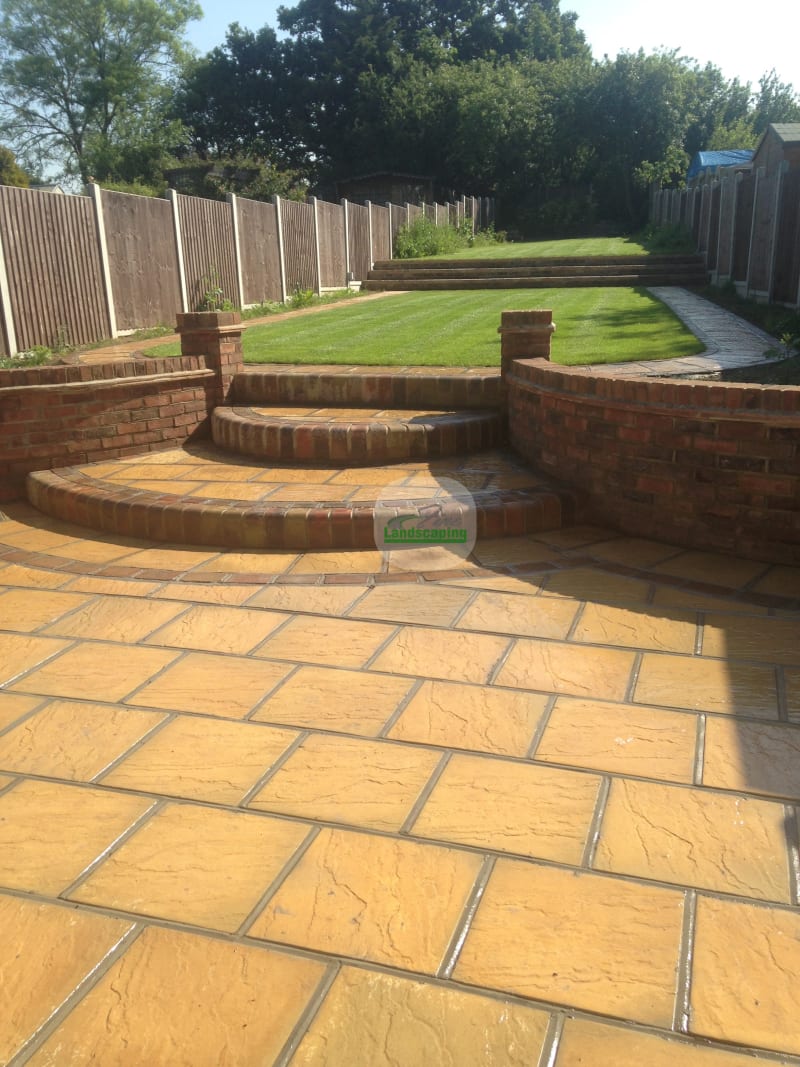
Clapham's stunning period properties deserve gardens that honour their architectural heritage whilst embracing contemporary outdoor living. With summer in full swing, SW4 homeowners are increasingly looking to transform those classic London rear gardens into sophisticated entertaining spaces that work beautifully with Georgian and Victorian architecture.
The challenge? Creating modern, functional outdoor spaces behind period properties without compromising their historic character—particularly within the Clapham Conservation Area and Abbeville Road Conservation Area where planning restrictions apply.
Understanding Clapham's Unique Garden Character
The typical Clapham garden behind a period terrace stretches 12-20 metres deep, enclosed by high brick walls that create sheltered sun traps perfect for June entertaining. These gardens benefit from excellent sun exposure throughout the day, though the heavy London clay soil over gravel base presents specific challenges for planting and drainage.
SW4 homeowners face a unique set of circumstances that neighbouring areas don't always share. The recent trend for basement extensions along streets like Old Town and Clapham Common North Side has altered garden levels and drainage patterns across neighbouring properties. We've seen disrupted drainage affecting gardens three or four doors down from renovation works.
Contemporary Design Elements That Complement Period Architecture
The secret to successful modern Garden Design for period properties lies in creating contrast rather than attempting pastiche. Clean lines and contemporary materials can actually highlight the beauty of Victorian brickwork and Georgian proportions.
Multi-Level Entertaining Zones
Many Clapham gardens slope slightly due to the clay-over-gravel geology. Rather than fighting this, we embrace it by creating distinct entertaining zones at different levels. A lower patio area near the house for dining, rising to a mid-level lounging zone, then perhaps a raised planting bed or garden office at the far end.
This approach works particularly well in those deeper gardens off The Pavement and Abbeville Road, where you have the space to create visual interest through elevation changes.
Frameless Glass and Minimalist Boundaries
High brick walls are a Clapham garden hallmark, but they can feel oppressive. Installing frameless glass panels atop existing walls—typically to a combined height of 2.1-2.4 metres—maintains privacy whilst flooding the space with light. This creates a contemporary feel without removing the historic boundary structure.
One consideration: party wall agreements with neighbours are essential before any work on shared boundaries. We handle this coordination as part of our Garden Design in Clapham service.
Premium Composite Decking
Traditional timber decking simply doesn't suit Clapham's high-value properties. We consistently recommend premium composite products like Millboard, which offers authentic wood grain textures without the maintenance burden. In London's acidic soil conditions, any timber supports deteriorate quickly—composite eliminates this problem entirely.
Recently, we completed a stunning installation off Abbeville Road featuring Millboard composite decking with frameless glass balustrades and an integrated outdoor kitchen. The client wanted a sophisticated entertaining space that didn't compete with their Victorian villa's period features—the clean lines and neutral tones achieved exactly that.
| Material Option | Cost per m² | Maintenance | Lifespan |
|---|---|---|---|
| Premium Composite (Millboard) | £200-£280 | Minimal—occasional wash | 25+ years |
| Standard Composite | £120-£180 | Minimal—annual clean | 15-20 years |
| Hardwood Timber | £90-£140 | Annual oil/stain treatment | 10-15 years |
| Softwood Timber | £60-£90 | Bi-annual treatment | 5-8 years |
Outdoor Kitchens and Covered Dining Areas
Summer entertaining in Clapham demands more than a portable barbecue. Built-in outdoor kitchens have become standard in premium garden renovations, particularly around Clapham Common North Side where property values justify the investment.
A typical outdoor kitchen includes a built-in gas barbecue, storage cupboards, prep surfaces, and increasingly, a pizza oven. Position these away from the house—usually mid-garden or along a side wall—to prevent cooking odours entering through open windows.
Planning Permission Considerations
Most outdoor kitchens don't require planning permission, falling under permitted development. However, if you're adding a permanent roof structure over 2.5 metres high, or the structure exceeds 50% of your garden area, you'll need to apply to Lambeth Council.
Covered dining areas using retractable awnings or pergolas with adjustable louvres offer weather protection without triggering planning requirements. These work brilliantly in Clapham's sheltered gardens, extending useable outdoor time well beyond summer.
Mediterranean Planting Schemes for London Clay
Clapham's acidic London clay presents challenges, but the sheltered conditions behind high walls create surprisingly warm microclimates. Mediterranean planting schemes thrive here, offering that contemporary resort feel whilst requiring minimal watering—crucial during London's increasingly dry summers.
The key is proper soil amendment. We remove 30-40cm of clay, install drainage channels to combat the poor natural drainage, then backfill with improved topsoil mixed with horticultural grit. This creates the free-draining conditions Mediterranean plants demand.
Plant Selection for Contemporary Schemes
Consider architectural plants with strong forms: Trachycarpus fortunei palms for height, Cordyline australis for structural interest, lavender and rosemary borders for softness, and Stipa grasses for movement. These create a modern aesthetic whilst coping with the specific conditions along streets near Clapham Common.
Tree root ingress from Clapham Common can affect gardens within 50 metres of the perimeter. If your property borders the Common, we recommend root barriers and raised planting beds to prevent established trees compromising your garden foundations.
The Abbeville Road project perfectly demonstrates how Mediterranean planting softens contemporary hard landscaping. We used silver-foliaged plants like Convolvulus cneorum and Ballota pseudodictamnus against the Millboard decking—the colour contrast made both elements sing.
Lighting Design for Period Properties
Contemporary garden lighting transforms Clapham's period properties after dark, creating dramatic effects that highlight both architecture and planting. Low-voltage LED systems are essential—they're safe, energy-efficient, and offer incredible flexibility.
Uplighting the rear elevation of a Victorian villa creates architectural drama, whilst path lighting ensures safe navigation. We typically combine warm white (2700K) for architectural features with cool white (4000K) for planting—this temperature contrast adds depth.
For those beautiful front gardens with original black and white chequerboard tiling along Abbeville Road and Old Town, subtle integrated lighting within new planting beds showcases this heritage feature beautifully at night.
Water Features and Contemporary Focal Points
Modern water features provide that resort-quality ambience without the maintenance burden of traditional ponds. Rill water features—narrow channels with gently flowing water—work particularly well in Clapham's rectangular gardens, creating linear interest that emphasises garden depth.
Positioning requires careful thought regarding drainage. Given the disrupted drainage many SW4 properties experience from neighbouring basement extensions, we always install independent drainage systems for water features rather than connecting to existing garden drainage.
Contemporary sculpture and statement planters serve as focal points without water complications. Large-format planters in Corten steel or polished concrete create architectural interest whilst remaining period-appropriate through careful placement.
Navigating Conservation Area Requirements
The Clapham Conservation Area covers much of SW4, with the Abbeville Road Conservation Area having particularly strict requirements. Any external alterations visible from the street may require conservation area consent from Lambeth Council.
Rear gardens offer more flexibility, but removing mature trees, altering boundary treatments, or adding substantial structures over 2.5 metres high typically need permission. We recommend a pre-application enquiry with Lambeth planning—the £115 fee provides written guidance on what your project requires.
For comprehensive details on working with conservation areas, see our complete guide for South London, which covers the full planning framework.
Creating Year-Round Usability
While June entertaining drives most garden renovations, the best designs work across seasons. Garden rooms and covered structures extend usability into autumn and winter—increasingly important as more SW4 residents work from home.
Heating solutions like gas patio heaters or infrared wall-mounted units add 2-3 months of comfortable outdoor dining. Combined with good lighting and weatherproof storage, your contemporary Clapham garden becomes a genuine extension of your living space rather than a seasonal luxury.
The high brick walls that characterise Clapham gardens provide natural wind protection. Add overhead cover through louvred pergolas or retractable awnings, and you've created an all-weather entertaining zone that significantly increases your property's useable square footage.
Ready to Transform Your Clapham Garden?
Our team specialises in creating contemporary gardens that respect period architecture and navigate conservation requirements. We serve properties throughout SW4, from Abbeville Road to Clapham Common North Side.
Get Free QuoteFrequently Asked Questions
Do I need planning permission for garden changes in Clapham Conservation Area?
Most rear garden changes don't require permission, including patios, decking, and planting. However, removing boundary walls visible from the street, felling mature trees, or adding structures over 2.5 metres high may need conservation area consent from Lambeth Council. Rear extensions and outbuildings follow different rules—we recommend a pre-application enquiry (£115) for clarity on your specific project.
What does a complete modern garden renovation cost in Clapham?
A comprehensive renovation of a typical 12-20 metre Clapham garden costs £35,000-£65,000, including premium composite decking, new paving, outdoor kitchen, improved planting, lighting, and water features. Smaller refreshes focusing on one area (like decking and planting only) start around £15,000-£25,000. High-end projects with garden rooms, extensive structural work, or premium finishes can exceed £100,000 for larger properties along Clapham Common North Side.
How do I deal with poor drainage from neighbouring basement extensions?
This common Clapham problem requires installing independent drainage systems with French drains, soakaways, or connection to the main sewer (with Thames Water approval). We assess water flow patterns, install drainage channels along problem boundaries, and create falls in paving to direct water away from buildings. Sometimes raising garden levels with retained planting beds provides the simplest solution whilst creating contemporary design features.
How long does a typical garden renovation take?
A complete garden transformation typically takes 3-5 weeks depending on scope and weather. Simple projects like decking installation take 1-2 weeks, whilst complex renovations with structural changes, outdoor kitchens, and extensive planting need 6-8 weeks. Access through the house (common in Clapham terraces without side returns) extends timescales by 20-30% due to additional protection requirements. We provide detailed schedules when you get a free quote.
Will Mediterranean plants survive London winters in Clapham?
Yes—Clapham's sheltered gardens behind high walls create warm microclimates where Mediterranean plants thrive. The key is proper drainage, as most Mediterranean plant losses result from winter waterlogging rather than cold. We amend the heavy London clay with grit and create raised beds where needed. Hardy palms like Trachycarpus fortunei, lavender, rosemary, and architectural grasses all perform excellently in SW4's conditions.