
Summer in Wandsworth means bustling family life — from weekend picnics on Wandsworth Common to rushing between the Southside shopping centre and after-school activities. The last thing busy SW18 families need is a garden that demands constant attention when you'd rather be enjoying those long July evenings outdoors.
Whether you're managing a compact Victorian terrace plot in Old Wandsworth or a generous common-side garden with views towards the Spread Eagle, creating a beautiful outdoor space that practically looks after itself is entirely achievable. We've designed countless Garden Design in Wandsworth projects that prove low-maintenance doesn't mean compromising on style.
Understanding Wandsworth's Garden Landscape
The gardens across SW18 vary dramatically depending on where you live. Victorian terraced properties along East Hill and West Hill typically offer narrow plots — often just 6-8 metres wide — where every square metre counts. These gardens frequently suffer from heavy London clay soil that becomes waterlogged in winter and concrete-hard in summer.
Meanwhile, the large Edwardian houses around Wandsworth Common enjoy more generous proportions with mature trees and the benefit of sandy, well-draining Thames alluvium soil. Riverside developments near the Wandle confluence present a different challenge entirely, with most residents having balconies or access to communal podium gardens rather than individual plots.
Hard Landscaping: The Foundation of Low-Maintenance Design
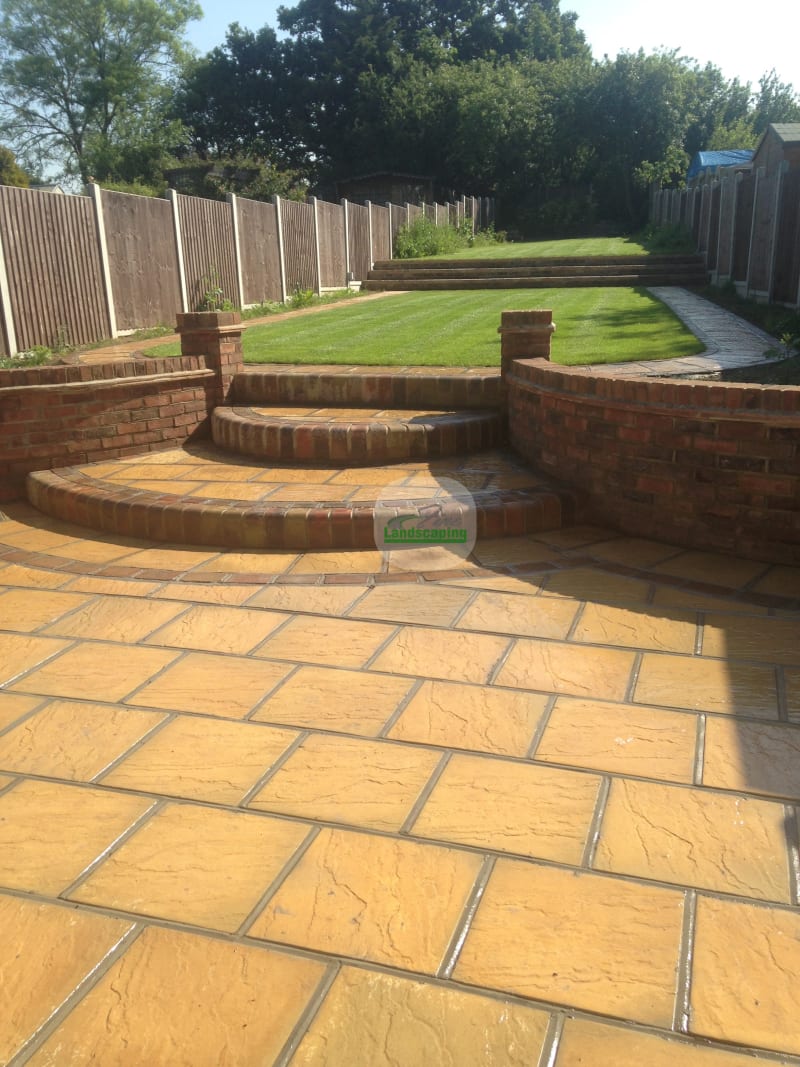
For busy families, reducing lawn area is the single most effective time-saver. A well-designed patio or seating area creates instant usability without weekly mowing, and modern materials require minimal upkeep.
Material Options for Wandsworth Gardens
| Material | Maintenance Level | Cost per m² | Best For |
|---|---|---|---|
| Porcelain Paving | Very Low | £65-£95 | Modern riverside apartments |
| Sawn Granite | Low | £80-£120 | Traditional Victorian settings |
| Composite Decking | Very Low | £90-£140 | Shaded terraced gardens |
| Resin Bound | Low | £75-£110 | Contemporary communal spaces |
We recently completed a contemporary garden design near Wandsworth Common on East Hill featuring a sawn granite patio with Corten steel edging. The homeowners wanted a sophisticated entertaining space that their two young children could use safely without constant supervision. The non-slip granite surface requires nothing more than an occasional sweep and annual jet wash.
In conservation areas like the Old Wandsworth Conservation Area or Tonsleys Conservation Area, the London Borough of Wandsworth has specific guidelines about materials and boundary treatments. Always check with planning before making substantial changes, though most surface treatments within your garden don't require permission.
Smart Plant Choices for Wandsworth's Microclimates
The key to effortless planting is choosing species that thrive in your specific conditions without constant watering, feeding, or deadheading. Those Victorian terrace gardens along Tonsleys often have shaded, narrow plots where moisture-loving ferns, hostas, and Japanese anemones flourish with minimal intervention.
Drought-Tolerant Options for Sunny Spots
For gardens with good Thames-side drainage and full sun exposure, Mediterranean plants have proven remarkably successful in recent hot summers. We're increasingly using ornamental grasses in sweeping drifts — they provide year-round structure, need cutting back just once annually, and never require watering once established.
- Miscanthus sinensis varieties — elegant movement and autumn colour
- Stipa tenuissima — feathery texture that children love to touch
- Lavender and rosemary — fragrant, evergreen, and bee-friendly
- Sedum and sempervivum — perfect for shallow containers on balconies
- Euphorbia — architectural structure with minimal water needs
The East Hill project incorporated precisely this approach, with ornamental grasses creating privacy screening from the street while requiring nothing more than an annual February cut-back.
Artificial Grass: The Reality for Busy Families
Let's address the elephant in the garden — artificial grass divides opinion, but for genuinely busy families with small children, it can be transformational. We've installed numerous lawns across SW18, particularly in those narrow Victorian terrace gardens where natural grass struggles in shade and heavy foot traffic.
The quality has improved dramatically. Modern products drain effectively (crucial given Wandsworth's clay soil), feel remarkably natural, and last 15-20 years with minimal maintenance. However, they're not suitable everywhere — larger common-side gardens typically benefit more from redesigned planting schemes than wholesale replacement.
When Artificial Grass Makes Sense
- Small, heavily shaded plots where real grass never thrives
- High-traffic areas around play equipment
- Families with dogs who've worn grass to mud
- Riverside balconies wanting green space without soil weight
Automated Irrigation: Worth the Investment?
For those maintaining planted borders, particularly in the sandy riverside soils that drain rapidly, irrigation systems remove the daily watering burden during summer. A well-designed system with moisture sensors and zone control means plants receive exactly what they need without you lifting a watering can.
Installation costs £800-£1,500 for a typical terraced garden, but the water savings and plant health improvements typically justify this within 2-3 years. Properties near the Wandle or Thames may need Environment Agency consultation if drawing water directly from these sources, though mains-fed systems have no such restrictions.
We always recommend getting the irrigation right during the initial build phase — retrofitting around established planting is far more disruptive and expensive. If you're undertaking major garden design work, include it from day one.
Reducing Maintenance Through Clever Design
Beyond materials and plants, thoughtful design dramatically reduces ongoing work. These principles work across all Wandsworth property types, from Wandsworth Town station apartments to generous Edwardian houses.
Boundary Solutions That Work Harder
Traditional timber fencing requires treatment every 2-3 years — a significant job in a typical 15-metre terrace garden. Consider these alternatives:
- Composite fencing panels — never need painting, last 25+ years
- Brick or block garden walls — permanent solution increasing property value
- Cedar screening — ages to silver-grey naturally without treatment
- Mixed hedging — native species like hornbeam provide year-round screening with one annual trim
The bespoke cedar timber screening we installed on that East Hill project requires absolutely zero maintenance while providing beautiful textured privacy from neighbouring properties. The timber's natural oils protect it without any treatment, simply weathering to an elegant silver patina.
Reducing Lawn Without Losing Green Space
Many SW18 families worry about losing the open feeling lawns provide. The solution is strategic reduction rather than complete removal. Keep a central lawn area sized for realistic use — perhaps 15-20m² — and convert borders to wider planted zones with bark mulch or decorative aggregate to suppress weeds.
Ground cover plants like Geranium macrorrhizum, Vinca minor, or Pachysandra terminalis create lush green coverage that's genuinely maintenance-free once established. They're particularly effective in those challenging shaded Victorian terrace gardens where grass never truly succeeds.
Focal Features: Maximum Impact, Minimum Effort
A well-chosen focal point draws the eye and creates interest without demanding time. Multi-stem trees like the mature birch we used on East Hill provide year-round structure and seasonal interest while needing nothing more than occasional professional pruning from our tree surgery team every few years.
Other low-maintenance focal features include:
- Corten steel planters — develop beautiful rust patina requiring no maintenance
- Water features — contemporary self-contained features need just seasonal cleaning
- Architectural lighting — LED systems transform evening ambience with no ongoing work
- Sculptural elements — permanent interest in any weather
Common Mistakes Wandsworth Families Make
After years designing gardens across SW18, we've identified recurring pitfalls that create unnecessary maintenance:
Ignoring Drainage from the Start
Wandsworth's clay soil means water sits on the surface during winter, particularly on higher ground. Installing proper drainage during construction prevents ongoing waterlogging issues that kill plants and make lawns unusable. This is non-negotiable for long-term low maintenance.
Over-Planting Initially
That beautiful dense planting looks wonderful at the garden centre, but mature sizes matter. Plants competing for space create weak growth requiring constant intervention. Give shrubs room to reach their natural size — fill gaps temporarily with bark mulch rather than excess plants.
Choosing High-Maintenance Statement Plants
Roses need regular deadheading, feeding, and disease management. Bedding annuals require complete replacement twice yearly. Formal hedging needs multiple cuts per season. For genuinely busy families, these simply aren't realistic despite their appeal.
Seasonal Maintenance: What You Can't Avoid
Even the lowest maintenance garden needs some attention. Being realistic about this from the start prevents disappointment. Here's what busy Wandsworth families should expect:
Spring (March-April)
- Cut back ornamental grasses (30 minutes annually)
- Apply slow-release fertiliser to borders (once yearly)
- Mulch planting areas to suppress weeds (2-3 hours)
Summer (June-August)
- Monitor irrigation system function
- Remove any perennial weeds promptly
- Enjoy your outdoor space without constant work
Autumn (October-November)
- Clear fallen leaves from hard surfaces
- Cut back perennials (or leave for winter interest)
- Check drainage gullies are clear
Winter (December-February)
- Essentially nothing — enjoy the downtime
- Plan any changes for spring implementation
Total annual maintenance for a well-designed low-maintenance SW18 garden: approximately 8-12 hours spread across the year. Compare that to weekly lawn mowing alone requiring 50+ hours annually.
Planning Your Low-Maintenance Transformation
Whether you're in a compact Victorian terrace plot or a spacious Edwardian garden, the transformation process follows similar principles. Start by honestly assessing how you actually use your outdoor space, not how you imagine using it.
For families with young children, prioritising safe play space over pristine planting makes sense. Those with teenagers might value entertaining areas more than lawn. Empty nesters often want wildlife-friendly schemes requiring minimal intervention.
We provide comprehensive Garden Design in Wandsworth consultations that consider your specific property, soil conditions, lifestyle, and maintenance tolerance. Our designs work with Wandsworth's unique characteristics rather than fighting them — respecting conservation area requirements, accounting for variable soil, and creating schemes that remain beautiful with minimal ongoing attention.
For detailed guidance on design principles and processes, see our complete guide for South London which covers everything from initial concepts through to final implementation.
Ready to Reclaim Your Weekends?
Let us design a beautiful, low-maintenance garden perfectly suited to your busy Wandsworth lifestyle. We'll handle everything from concept through to completion, creating outdoor space you'll love without the constant upkeep.
Get Free QuoteFrequently Asked Questions
How much does a low-maintenance garden redesign cost in Wandsworth?
For a typical Victorian terrace garden (30-50m²) in SW18, a complete low-maintenance transformation costs £6,000-£12,000 depending on materials and features. This includes hard landscaping, quality planting, irrigation if required, and professional installation. Larger common-side gardens naturally cost more, while balcony transformations can be achieved for £2,000-£4,000. The investment typically pays for itself within 3-4 years through eliminated maintenance costs and increased property value.
Will a low-maintenance garden work in the shade of Victorian terrace gardens?
Absolutely — shade actually makes low-maintenance design easier in many ways. Properties along streets like Tonsleys or East Hill with narrow, north-facing plots benefit from shade-loving plants that naturally require less watering and rarely need deadheading. Ferns, hostas, Brunnera, and Japanese anemones thrive in these conditions with minimal care. Composite decking or porcelain paving also performs better than natural stone in constant shade, resisting algae growth more effectively.
How long does it take to install a low-maintenance garden in Wandsworth?
Most complete garden transformations take 2-3 weeks from site clearance to completion for typical SW18 terrace gardens. Larger properties around Wandsworth Common may require 3-4 weeks. The timeline includes groundwork and drainage (critical in Wandsworth's clay soil), hard landscaping installation, planting, and finishing touches. We schedule projects around the ongoing regeneration work to ensure reliable access, and always aim to complete before any predicted road closures near the Southside area.
Do I need planning permission for garden changes in Wandsworth conservation areas?
Most garden surface treatments and planting changes don't require planning permission, even within the Old Wandsworth or Tonsleys Conservation Areas. However, new boundary walls or structures over 1 metre facing a highway, or 2 metres elsewhere, do need approval from the London Borough of Wandsworth. Properties near the Thames or Wandle may require Environment Agency consultation for drainage works. We always check requirements during the design phase and can handle any necessary applications on your behalf.
What's the most effective way to reduce garden maintenance time?
Reducing lawn area delivers the biggest time saving — weekly mowing typically consumes 50+ hours annually. Replace half your lawn with quality hard landscaping for entertaining and low-maintenance planting with proper weed-suppressing mulch, and you'll cut maintenance by 70-80%. The second most effective change is installing automatic irrigation, eliminating daily summer watering. Finally, choosing the right plants for Wandsworth's specific soil conditions means they thrive without constant intervention or remedial work.