
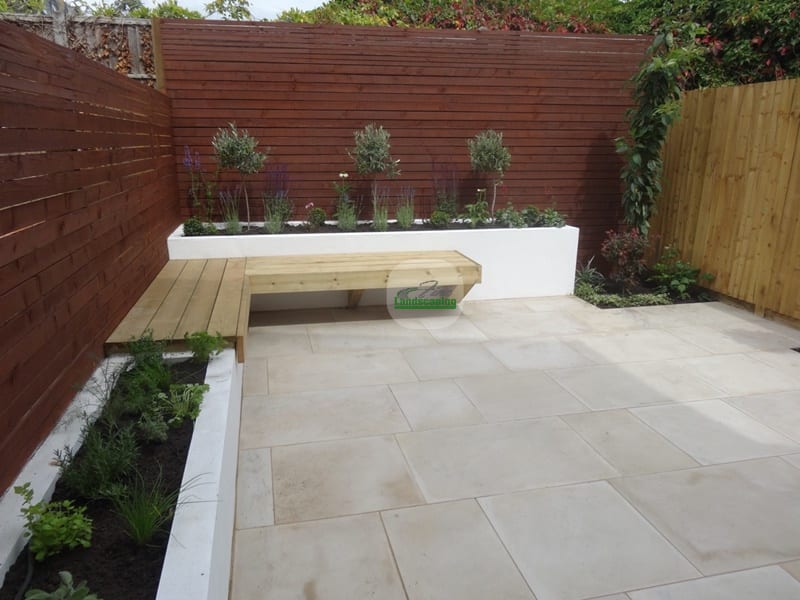
Spring has arrived in South London, and if you're looking at your garden thinking it needs something special, a new patio could be exactly what you need. April is the perfect time to start planning – the ground's warming up, contractors' schedules are filling fast, and you'll have your beautiful new outdoor space ready for summer.
Choosing the right patio isn't just about picking materials from a brochure. It's about understanding how you'll use the space, what works with your property, and what fits your budget. We've helped hundreds of homeowners across Norbury, Croydon, Streatham, and Surrey make this decision, so let's walk through everything you need to know.
Understanding How You'll Use Your Patio
Before you even look at materials, ask yourself what you actually want from this space. A patio for morning coffee is very different from one designed for weekend barbecues with a dozen guests.
Think about whether you'll be placing heavy furniture or a hot tub on it – this affects the foundation depth we'll need. Consider how much sun the area gets throughout the day, as some materials can get scorching hot underfoot in full sun. And don't forget access – if you're in a terraced property in Dulwich or Mitcham without side access, that limits material options and affects costs.
We always tell clients to spend a few days watching how sunlight moves across their garden. The spot you think is perfect might be in shade all afternoon.
Comparing Patio Materials: What's Right for You?
The material you choose defines everything – the look, the cost, the maintenance, and how long your patio will last. Here's what we typically work with across South London and Surrey.
Natural Stone vs Concrete Pavers
Natural stone – Indian sandstone, limestone, granite, or slate – gives you that premium, timeless look. Every slab is unique, the colours are natural, and it ages beautifully. It's what we recommend for period properties in areas like Crystal Palace or Beckenham where you want something that complements the architecture.
Concrete pavers have come a long way. Modern versions can mimic natural stone convincingly, they're more uniform (which some people prefer), and they're generally more budget-friendly. They're ideal if you want a clean, contemporary look or you're working within tighter finances.
| Material | Cost per m² | Lifespan | Maintenance |
|---|---|---|---|
| Indian Sandstone | £45-£75 | 25+ years | Seal every 2-3 years |
| Limestone | £60-£90 | 30+ years | Seal annually, avoid acids |
| Granite | £80-£120 | 50+ years | Very low, occasional clean |
| Porcelain Paving | £50-£85 | 30+ years | Minimal, stain resistant |
| Concrete Pavers | £30-£50 | 20-25 years | Low, pressure wash yearly |
The Porcelain Revolution
Porcelain paving has become hugely popular in the last few years, and for good reason. It's virtually stain-proof, doesn't fade, stays cooler than natural stone in summer heat, and comes in incredible designs including wood-effect and marble-look options.
The catch? It requires precise installation (the slabs can crack if not laid perfectly) and it's slippery when wet unless you choose a textured finish. We've installed dozens of porcelain patios across Sutton and Purley, and when done right, they're stunning and practically maintenance-free.
Size, Shape, and Layout Considerations
A common mistake is making patios too small. As a rule of thumb, you need at least 3.5m x 3.5m for a table and four chairs with room to move around. If you entertain regularly, think bigger – 4m x 5m gives you proper entertaining space.
Shape matters more than you might think. Rectangular patios are cost-effective and suit most gardens. Curved or circular designs look beautiful but create more wastage and take longer to install, which increases costs. L-shaped patios work brilliantly for wrapping around garden corners or creating distinct zones.
Working with Your Garden's Levels
If your garden slopes, you've got decisions to make. We can build the patio level with the house and create steps down, or set it lower in the garden with a path connecting them. Each option changes how you experience the space and affects the overall cost.
In areas like Penge and Sydenham where many properties sit on hillsides, we often create terraced patios with retaining walls. It costs more upfront but gives you usable, level space and can transform an awkward sloping garden.
A standard 20m² patio in Indian sandstone: £2,200-£3,500 installed
A 20m² porcelain patio: £2,800-£4,000 installed
A 30m² granite patio: £4,500-£7,200 installed
Costs include excavation, sub-base, installation, and pointing. Complex access or difficult ground conditions can add 15-30%.
Drainage: The Hidden Essential
This isn't glamorous, but it's absolutely critical. Your patio needs to drain away from your house – building regulations require a fall of at least 1:80, which means 12.5mm drop per metre.
We need to think about where the water goes. If you're creating a large paved area, you might need proper drainage solutions like soakaways or channel drains, especially in clay-heavy areas common across Surrey and South London.
We've been called to fix more botched patio jobs due to poor drainage than any other issue. Water pooling against your house causes damp, subsidence, and expensive remedial work. Get this right from day one.
Style Choices: Matching Your Home and Garden
Your patio should feel like a natural extension of your home. Victorian and Edwardian properties in Bromley or Streatham generally suit traditional materials like York stone or aged-look sandstone in warm buff or grey tones.
Modern properties work beautifully with crisp porcelain, smooth granite, or contemporary concrete pavers in sleek greys or blacks. Mid-century homes can go either way – we've created gorgeous patios using both traditional and modern materials depending on the overall garden design.
Colour and Texture Decisions
Lighter colours make small gardens feel more spacious and stay cooler underfoot. Darker tones create drama and hide dirt better but can get very hot in full sun. Mixed colours (like multicoloured sandstone) create interest but can look busy in small spaces.
Texture affects everything from slip-resistance to how the patio feels barefoot. Riven (textured) surfaces are more rustic and slip-resistant. Smooth or honed finishes are contemporary and easier to sweep clean but can be slippery when wet.
What to Look for in a Patio Contractor
The difference between a patio that lasts decades and one that needs replacing in five years usually comes down to installation quality, not the materials themselves.
Look for contractors with a solid portfolio of completed work – we're always happy to show previous projects around Norbury, Croydon, and across our service area. Check they have proper insurance and ask about guarantees on both materials and workmanship.
Red Flags to Watch For
Be wary of quotes that seem too good to be true – they usually are. A proper patio installation requires excavation to the right depth (typically 150-200mm), a compacted sub-base, correct bedding, and careful laying. Contractors cutting corners on these steps will leave you with a sinking, uneven mess.
Avoid anyone who won't provide a written quote detailing exactly what's included, or who pressures you to decide on the spot. Professional patio services understand this is a significant investment and you need time to consider your options.
• How deep will you excavate and what sub-base will you use?
• Is the quote all-inclusive or are there potential extras?
• How do you handle drainage and what fall will you create?
• Can you provide references from recent similar projects?
• What happens if we hit unexpected problems like poor ground or underground services?
• What guarantee do you offer and is it insurance-backed?
Planning Beyond Just the Patio
Your patio rarely exists in isolation. Think about how it connects to the rest of your garden. Do you need a new path? Would some garden walls or fencing define the space better?
Consider lighting – we can install services during construction far more easily than adding them later. Think about planting around the edges to soften hard landscaping and create privacy. Some clients add a small area of artificial grass alongside their patio for a low-maintenance lawn alternative.
If you're planning multiple garden improvements, it's worth considering a comprehensive garden design that brings everything together cohesively. We often work with clients who start thinking about just a patio and end up transforming their entire outdoor space.
Your Patio Decision Checklist
Before you commit to anything, work through these key decisions:
- Purpose: Dining, entertaining, relaxing, or multiple uses?
- Size: Minimum 3.5m x 3.5m for dining; larger for entertaining
- Location: Sun/shade patterns throughout the day
- Material: Natural stone, porcelain, or concrete pavers
- Colour: Light, dark, or mixed tones
- Texture: Riven/textured or smooth/honed
- Shape: Rectangular, curved, or L-shaped
- Levels: Does it need steps or retaining walls?
- Drainage: Where will water run to?
- Access: Can materials reach the garden easily?
- Budget: Including 10-15% contingency for unknowns
- Timeline: When do you want to start using it?
- Extras: Lighting, planting, furniture, heating?
- Contractor: Portfolio, insurance, guarantees, references
Making Your Final Decision
Choosing the right patio is about balancing aesthetics, functionality, and budget. There's no single "best" option – there's the best option for your specific garden, your lifestyle, and your plans.
Take your time with this decision. A well-designed, properly installed patio will give you decades of use and significantly increase your property's value. Rush it, cut corners, or choose materials that don't suit your situation, and you'll likely be doing it again in a few years.
Spring 2026 is the perfect time to get started. The weather's improving, contractors can work efficiently, and you'll have your new outdoor space ready for summer. Whether you're in Norbury, Croydon, Streatham, or anywhere across South London and Surrey, the right patio can genuinely transform how you use and enjoy your garden.
Ready to Create Your Perfect Patio?
We'd love to discuss your ideas and provide expert advice tailored to your garden and budget. Our team has been creating beautiful, long-lasting patios across South London and Surrey for years.
Get Your Free QuoteFrequently Asked Questions
How much does a new patio typically cost?
For a standard 20m² patio in South London or Surrey, expect to pay between £2,200-£3,500 for Indian sandstone installation, £2,800-£4,000 for porcelain, or £4,500-£7,200 for premium granite. These prices include excavation, proper sub-base preparation, laying, and pointing. Factors that increase cost include difficult access, sloping ground requiring retaining walls, complex shapes, and high-end materials.
What's the best time of year to install a patio?
Spring (April-May) and early autumn (September-October) are ideal for patio installation. The ground isn't waterlogged, temperatures are moderate, and materials like mortar cure properly. Spring is particularly good because you'll have your patio ready for summer use, and contractors' schedules are typically more flexible than the peak summer months when everyone wants work done.
How long does it take to install a patio?
A typical residential patio takes 3-5 days from start to finish. This includes excavation (1 day), sub-base installation and compaction (1 day), laying the paving (1-2 days), and pointing/finishing (1 day). Larger patios, complex designs, difficult access, or ground conditions can extend this to 7-10 days. You'll usually need to stay off the patio for 24-48 hours after completion to let everything cure properly.
Do I need planning permission for a patio?
Most domestic patios don't require planning permission as they fall under permitted development rights. However, if your patio raises the ground level by more than 30cm near a boundary, if you live in a listed building or conservation area, or if you're creating a very large paved area that affects drainage, you may need permission. It's always worth checking with your local council in South London or Surrey, and a professional contractor should flag any potential issues.
Which patio material requires the least maintenance?
Porcelain paving requires the least maintenance – it's virtually stain-proof, doesn't need sealing, won't fade, and resists moss and algae growth better than natural stone. An occasional sweep and pressure wash once or twice a year is typically all you need. Granite is also very low-maintenance, though it costs more initially. Natural stone like sandstone and limestone need sealing every 2-3 years and more regular cleaning to prevent staining and organic growth.