
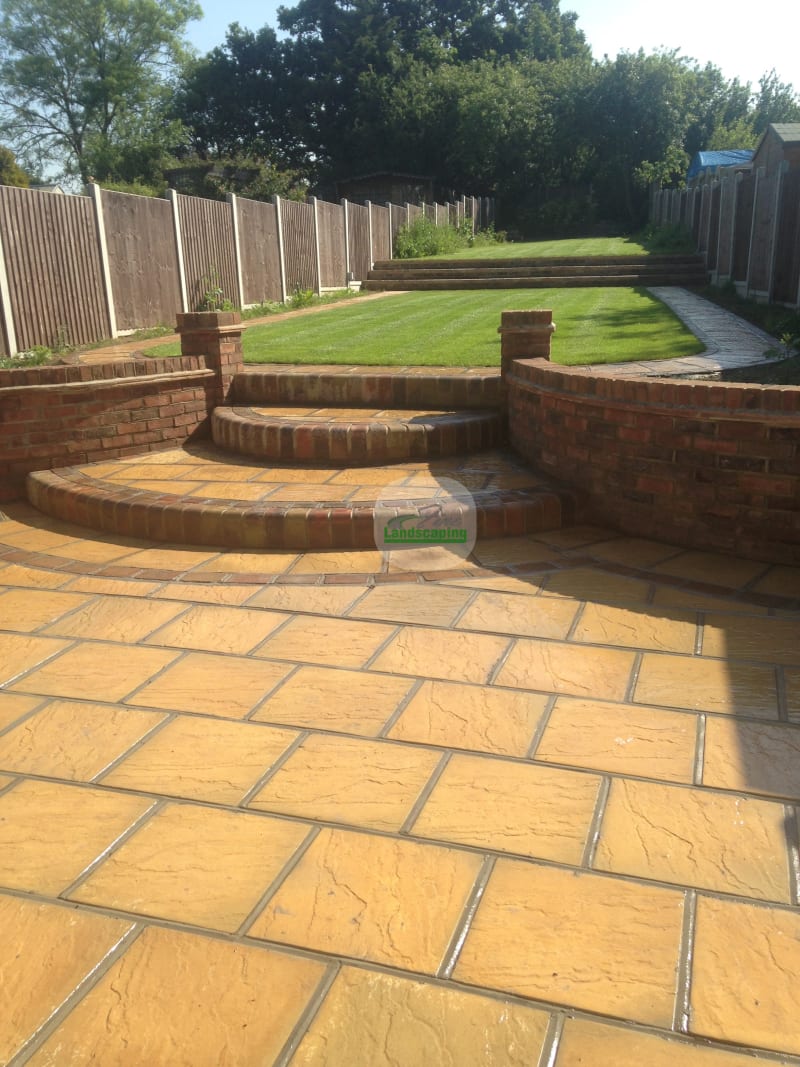
Beckenham's Edwardian homes, particularly those along The Avenue and Village Way, boast some of South London's most characterful gardens. With their generous proportions and mature planting, these outdoor spaces offer incredible potential for creating stunning entertaining areas this summer—but they also present unique design challenges that require thoughtful planning.
If you're a BR3 homeowner looking to transform your garden, understanding how to work with original layouts, heavy Weald clay soil, and the area's strict Tree Preservation Orders will make the difference between a successful project and costly mistakes.
Understanding Beckenham's Edwardian Garden Heritage
The large Edwardian detached and semi-detached houses that characterise much of Beckenham were built with gardens designed for both status and function. Front gardens created street presence with laurel hedging and specimen trees, while rear gardens featured distinct zones: formal areas near the house transitioning to productive kitchen gardens at the rear.
Many properties, especially those within the Coper's Cope Conservation Area, retain these original layouts including period brick paths, established rhododendrons and azaleas, and magnificent specimen trees. These mature elements are assets, not obstacles—they provide structure and character that new gardens simply can't replicate.
Designing for Summer Entertaining in Period Gardens
Modern families want outdoor living spaces that work for al fresco dining, children's play, and evening gatherings—uses quite different from original Edwardian intentions. The key is creating contemporary functionality whilst respecting period character.
Zoning Your Space Effectively
Successful Edwardian garden designs typically incorporate three distinct zones. The immediate terrace area adjacent to your house serves as an outdoor dining room—this is where you'll spend most summer evenings. A middle lawn or pathway zone provides circulation and visual breathing space. Finally, a far garden area can accommodate utility elements, wildlife zones, or secluded seating.
This zoning mirrors original Edwardian design principles whilst accommodating modern lifestyles. We recently completed a project on The Avenue that demonstrated this approach beautifully, incorporating premium Indian sandstone paving near the house whilst retaining established azaleas and a protected oak at the garden's rear.
Creating Level Entertaining Spaces
Many Beckenham gardens slope—sometimes dramatically. The area's topography means properties near Beckenham Place Park often have significant gradients. Creating usable, level entertaining areas requires careful consideration of retaining solutions.
For period homes, traditional brick garden walls work better aesthetically than modern sleeper terracing. Engineering brick with limestone coping complements Edwardian architecture whilst providing structural integrity to handle the clay soil's seasonal movement.
We always recommend building retaining walls with proper drainage behind them—Beckenham's clay soil holds water, and without adequate drainage, you'll face subsidence issues within a few seasons.
Working with Beckenham's Challenging Soil Conditions
The heavy Weald clay that characterises most of Beckenham (with pockets of sandy loam near Beckenham Place Park) presents specific challenges for garden design. Clay shrinks dramatically in dry summers and swells when wet, causing movement in paths, patios, and structures.
Foundation Preparation for Hard Landscaping
Any paving, decking, or structural elements require enhanced foundations here. For patios, we excavate deeper than standard (typically 200-250mm), incorporate type 1 MOT sub-base, and include proper drainage channels. This prevents the seasonal cracking and subsidence that plague poorly installed hard landscaping on clay.
For driveways and high-traffic areas, the foundation depth increases further. The investment in proper groundwork pays dividends—we've seen countless Beckenham gardens where shortcuts in preparation have resulted in complete reinstallation within five years.
Planting Strategies for Clay Soil
Clay isn't entirely problematic—it's nutrient-rich and moisture-retentive, which explains why Beckenham's mature gardens flourish. The trick is working with it rather than against it. Incorporate generous organic matter when creating new borders, and select plants that thrive in these conditions.
Heritage roses, hydrangeas, and herbaceous perennials perform beautifully. For contemporary summer interest, salvias, geraniums, and ornamental grasses add movement and colour whilst tolerating clay admirably. Avoid Mediterranean plants that demand sharp drainage—they'll struggle here.
| Garden Element | Typical Cost (Beckenham) | Clay Soil Considerations |
|---|---|---|
| Indian Sandstone Patio (20m²) | £3,200-£4,500 | Enhanced sub-base required, add 15-20% |
| Composite Decking (20m²) | £4,000-£5,500 | Concrete pad foundations essential |
| Retaining Wall (per linear metre) | £180-£280 | Drainage membrane critical |
| New Border Preparation (per m²) | £25-£45 | Organic matter incorporation necessary |
Navigating Tree Preservation Orders and Root Protection
Beckenham's leafy character comes with strings attached—Tree Preservation Orders are widespread throughout BR3, particularly along Wickham Road and The Avenue. These protected trees significantly influence garden design options.
Before planning any hard landscaping, identify protected trees on and adjacent to your property. Bromley Council maintains TPO maps, and ignoring these regulations results in substantial fines. Root protection zones typically extend well beyond the tree's canopy, limiting where you can excavate or build.
Designing Around Mature Trees
Rather than viewing protected trees as constraints, incorporate them as focal points. A magnificent oak or copper beech provides instant maturity and structure that money can't buy. Design your entertaining areas to benefit from dappled shade—invaluable during June heatwaves.
For patios within root protection zones, consider permeable resin-bound surfacing laid on a reduced-dig foundation, or raised decking on adjustable pedestals that minimises root disturbance. These solutions respect tree health whilst creating functional spaces.
Period-Appropriate Materials and Features
Successful Edwardian garden design balances contemporary functionality with materials and features that complement your home's architecture. This doesn't mean historical pastiche—rather, thoughtful material selection that creates visual harmony.
Paving and Hard Landscaping Choices
For terraces and paths, natural stone works beautifully with Edwardian properties. Indian sandstone in buff, autumn brown, or grey tones complements period brick. For a more authentic approach, reclaimed York stone (though expensive at £90-£140 per m²) creates unmatched character.
Avoid ultra-modern materials like polished porcelain or bright white stone—they jar against period architecture. Similarly, while block paving suits driveways, it rarely works well in rear entertaining areas of traditional homes.
Boundaries and Screening
Original Edwardian gardens featured brick walls or formal hedging. Where boundaries need replacement, consider these options carefully. We recently installed premium close-board cedar fencing with concrete gravel boards and decorative trellis panels around a 25-metre rear garden on The Avenue—the trellis element adds period-appropriate detail whilst the cedar weathers to a subtle silver-grey.
For front boundaries in conservation areas, brick walls or formal privet hedging maintains street character better than modern panel fencing. Bromley Council is particularly strict about these visual elements in conservation zones.
Creating Functional Outdoor Rooms for 2026
Modern garden design treats outdoor space as an extension of interior living—particularly relevant as we enter summer entertaining season. For Edwardian homes with generous gardens, this means creating properly furnished outdoor rooms.
Covered Dining Areas
British weather demands some weather protection. Pergolas with retractable canopies provide flexibility—shade during June sun, cover during inevitable showers. Position these adjacent to kitchen doors for practical access when entertaining.
For year-round use, consider a garden room or high-quality glazed structure. These require planning permission but add substantial property value whilst creating genuinely usable space in all seasons.
Lighting for Evening Entertainment
Proper garden lighting transforms usability. Layer your lighting: ambient background illumination, task lighting for dining areas, and accent lighting highlighting specimen trees or architectural features. LED technology means running costs are negligible whilst creating magical evening atmospheres.
For Edwardian gardens, warm white (2700-3000K) creates more sympathetic ambience than cool modern temperatures. Position lighting to graze walls and tree trunks rather than simply downlighting—this creates depth and drama.
Avoiding Common Beckenham Garden Design Mistakes
Having worked extensively throughout BR3, we've identified recurring mistakes that compromise both aesthetics and functionality.
Front Garden Hardstanding Errors
Bromley Council is particularly strict about front garden hardstanding and crossover applications. Many homeowners underestimate these requirements, proceeding with driveway installations that technically breach planning regulations.
For areas exceeding 5m², you need either permeable surfacing or drainage to pervious areas. Simply concreting over front lawns creates runoff issues and potential enforcement action. Always check requirements before proceeding—proper permeable resin-bound driveways or gravel with appropriate edging satisfies regulations whilst looking smart.
Ignoring Seasonal Movement
Root heave from mature trees cracking paths and patios is endemic in Beckenham. Clay soil shrinkage causes seasonal movement in hard landscaping. These aren't occasional issues—they're certainties unless properly addressed during installation.
Adequate foundations, movement joints in paving, and appropriate materials selection all mitigate these problems. Cutting corners on preparation guarantees expensive remedial work within a few years.
Over-Modernising Period Gardens
Contemporary minimalism rarely suits Edwardian properties. Gardens featuring expanses of grey porcelain, rendered walls, and architectural grasses can look striking in isolation but often clash with traditional architecture.
Instead, adopt a transitional style—contemporary comfort and functionality expressed through period-appropriate materials and planting palettes. This approach enhances property value rather than creating visual discord that future buyers might view negatively.
Working with Professional Garden Designers
For significant investment in your Beckenham garden, professional Garden Design in Beckenham expertise pays dividends. Experienced designers understand local soil conditions, council requirements, and how to maximise your specific plot's potential.
Look for designers with demonstrable experience in period properties and clay soil conditions. Check they understand Tree Preservation Order implications and conservation area requirements—these local factors significantly influence viable design options.
A comprehensive design process includes site analysis, concept development, detailed plans showing levels and drainage, planting specifications, and material selections. This clarity prevents costly changes during installation and ensures all parties share the same vision. For more general guidance across South London, see our complete guide for South London.
The best garden designs for Edwardian homes balance respect for original character with contemporary lifestyle needs. It's not about historical recreation—it's about creating beautiful, functional outdoor spaces that feel authentically connected to the architecture.
Ready to Transform Your Beckenham Garden?
Our experienced team understands Beckenham's unique conditions—from clay soil challenges to conservation area requirements. We'll create an outdoor space that respects your Edwardian home's character whilst delivering the entertainment and relaxation areas your family needs this summer.
Get Free QuoteFrequently Asked Questions
Do I need planning permission to redesign my Edwardian garden in Beckenham?
Most garden redesigns don't require planning permission, but there are important exceptions in Beckenham. If your property is within Beckenham Town Centre or Coper's Cope Conservation Areas, certain alterations to walls, fences, and trees require consent. Any structure over 2.5 metres high, garden buildings exceeding specific size thresholds, or work affecting protected trees needs permission. Front garden hardstanding exceeding 5m² also has specific requirements. Always check with Bromley Council before starting major work.
How much does a complete Edwardian garden redesign cost in Beckenham?
For a typical Beckenham Edwardian garden (150-200m²), expect professional design fees of £2,500-£4,500. Full installation including quality paving, planting, lawn areas, and features typically ranges from £25,000-£65,000 depending on materials and complexity. Beckenham's clay soil adds 15-20% to groundwork costs compared to easier conditions, but proper foundations are essential for longevity. Phasing work over multiple seasons is perfectly viable if budget is a constraint.
What's the best patio material for Beckenham's clay soil?
Indian sandstone and porcelain paving both perform well on Beckenham's clay soil when properly installed with enhanced foundations. Natural sandstone complements Edwardian architecture beautifully and costs £3,200-£4,500 for a 20m² patio including proper sub-base preparation. Avoid cheap concrete slabs which can crack with clay movement. Quality composite decking on concrete pad foundations is another excellent option, particularly near protected tree roots where excavation must be minimised.
How do I deal with heavy shade from protected trees in my Beckenham garden?
Heavy shade from Tree Preservation Order trees is extremely common in Beckenham and requires design adaptation rather than tree removal (which is typically prohibited). Replace struggling lawns with shade-tolerant ground covers like Pachysandra, ferns, or Geranium macrorrhizum. Alternatively, quality artificial grass provides year-round green coverage without maintenance. Design your main entertaining areas to benefit from dappled shade during summer—it's actually an asset during hot weather. Incorporate shade-loving plants like hostas, astilbes, and hydrangeas which thrive in these conditions.
How long does a garden redesign project typically take in Beckenham?
Design development typically takes 4-8 weeks from initial consultation to final plans. Installation timescales vary considerably based on scope—a straightforward patio and planting scheme might take 2-3 weeks, whilst comprehensive redesigns including drainage, retaining walls, and extensive hard landscaping can require 6-12 weeks. Beckenham's clay soil means work is weather-dependent; heavy rain stops excavation and foundation work. Summer (June-September) offers the most reliable working conditions, though planting is often better undertaken in autumn or spring.