
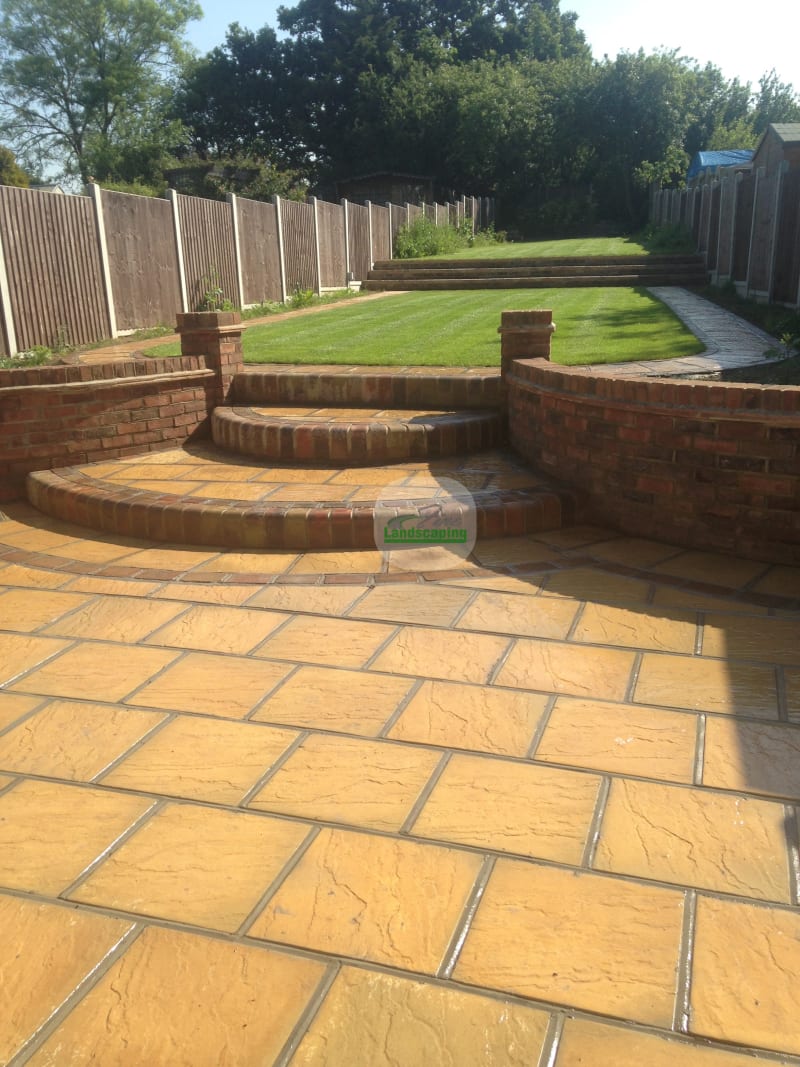
Dulwich's Victorian terraces present a unique opportunity for garden design that few other areas in South London can match. While these properties might not have the sprawling grounds of the detached houses along Dulwich Village or College Road, their gardens offer a perfect canvas for creating intimate, beautifully proportioned outdoor spaces that honour the area's heritage whilst meeting modern needs for summer entertaining and outdoor living.
As June arrives in SE21, the pressure is on to make the most of your garden space. The challenge isn't just creating something beautiful—it's navigating the Dulwich Estate's strict design requirements, working around protected mature trees, and meeting the exceptionally high standards that define this area.
Understanding Victorian Terrace Gardens in Dulwich
Victorian terrace gardens in Dulwich typically measure between 8-15 metres in length and 5-8 metres in width. These proportions were deliberately designed to provide private outdoor space whilst maintaining the dense urban fabric that characterises streets radiating from the main Dulwich Village.
The gardens usually follow a traditional layout: a small paved area immediately outside the house, a central lawn space, and borders along the side boundaries. Many still retain their original brick walls—often 1.8-2 metres high—which create sheltered microclimates perfect for tender planting.
What makes Dulwich different from neighbouring South London areas is the Dulwich Estate's oversight. Even minor changes to front gardens—and sometimes rear gardens visible from public areas—require approval beyond standard London Borough of Southwark planning permissions.
Designing for Summer Entertaining in Small Spaces
Creating an effective entertaining space in a Victorian terrace garden requires careful spatial planning. We typically recommend dedicating 40-50% of the garden to hard landscaping, leaving sufficient planting space to maintain that leafy Dulwich character.
Patio Areas and Outdoor Dining
For a typical 6x10 metre garden, a patio measuring approximately 4x4 metres provides comfortable dining space for 6-8 people. Position this adjacent to the house to minimise the journey from kitchen to table—crucial for summer entertaining.
Material choice matters enormously in Dulwich. We've found that natural stone—particularly York stone, limestone, or sandstone—receives the warmest reception from both the Dulwich Estate and discerning SE21 homeowners. These materials weather beautifully and complement Victorian brickwork perfectly.
| Material | Cost per m² | Dulwich Estate Approval | Best For |
|---|---|---|---|
| York Stone | £85-£140 | Generally approved | Traditional aesthetic |
| Limestone | £75-£120 | Usually approved | Lighter, modern feel |
| Porcelain | £90-£150 | Requires justification | Low maintenance |
| Engineering Brick | £65-£95 | Period-appropriate | Victorian authenticity |
Creating Zones in Narrow Gardens
The key to maximising a Victorian terrace garden is creating distinct zones without making the space feel fragmented. We achieve this through level changes, varied paving materials, and strategic planting.
A successful layout might include: a dining patio near the house, a small lawn or artificial grass area in the middle third, and a seating area or garden room at the far end. This creates depth and encourages movement through the space.
We always tell Dulwich clients that the best gardens make you forget how small they actually are. Creating that sense of journey—even over just ten metres—is what transforms a functional outdoor space into something genuinely special.
Working Within Dulwich Estate Requirements
The Dulwich Estate's design requirements add complexity that homeowners in neighbouring East Dulwich or Crystal Palace don't face. These rules exist to protect the area's exceptional character, but they require careful navigation.
For garden projects, the Estate typically scrutinises: boundary treatments (walls, fencing, gates), hard landscaping visible from public areas, any structures including sheds or garden rooms, and significant tree work.
Approved Fencing and Gates
The Dulwich Estate maintains a list of approved fence styles and colours. Generally, close-boarded fencing in muted colours (green, brown, black) receives approval, whilst contemporary horizontal slat fencing often requires detailed justification.
Front garden gates present particular challenges. We recently completed a project on College Road that included a bespoke hardwood gate designed to Dulwich Estate specifications—traditional tongue-and-groove construction, heritage brass furniture, and a colour matched to neighbouring properties.
Dealing with Mature Trees and Protected Species
Many Victorian terrace gardens in Dulwich are overshadowed by mature trees—either within the garden itself or in neighbouring properties. The Dulwich Wood Conservation Area, which covers many residential streets, provides additional protection to these trees.
Before undertaking any garden design work, we always check whether trees are protected by Tree Preservation Orders (TPOs). Any work to protected trees requires London Borough of Southwark approval, even simple pruning.
Designing Under Tree Canopies
Heavy shade from mature trees needn't limit your garden's potential. We've created stunning shade gardens using ferns, hostas, Japanese anemones, and woodland bulbs that thrive in Dulwich's acidic soil conditions.
For paved areas under trees, ensure adequate drainage to cope with leaf fall and consider permeable paving options. Tree roots can disrupt solid paving over time, so we often recommend resin-bound surfaces or well-laid natural stone with generous joints.
Addressing London Clay and Drainage Challenges
London clay dominates Dulwich's geology, creating specific challenges for garden design. This heavy, sticky soil expands when wet and contracts when dry, causing movement that can crack paving and damage structures.
We always recommend installing proper sub-base drainage for any hard landscaping in SE21. A typical specification includes: 100-150mm of compacted MOT Type 1 sub-base, a geotextile membrane, adequate falls (1:80 minimum), and connection to existing drainage or a soakaway.
Improving Clay Soil for Planting
Dulwich's clay soil can be improved dramatically with organic matter. We typically excavate borders to 400mm depth, break up the clay base, and backfill with a mixture of 60% topsoil and 40% well-rotted compost or composted bark.
For particularly challenging areas, consider raised beds built from brick or railway sleepers. These provide better drainage, warm up faster in spring, and create architectural interest—particularly effective in formal Victorian-style gardens.
Plant Selection for Dulwich's Microclimate
Dulwich enjoys a slightly milder microclimate than outer South London areas like Purley or Beckenham, thanks to urban heat retention and shelter from surrounding buildings. This extends the growing season and allows slightly tender plants to thrive.
For Victorian terrace gardens, we recommend a planting palette that combines heritage varieties with reliable modern cultivars:
- Climbers for walls: Roses (particularly 'Gertrude Jekyll' and 'Lady Emma Hamilton'), clematis, jasmine, and Victorian favourites like honeysuckle
- Border structure: Box hedging (despite box blight concerns, it remains popular in Dulwich), lavender, rosemary, and evergreen shrubs like Choisya
- Seasonal colour: Herbaceous perennials including salvias, geraniums, and grasses that provide interest from May through October
- Shade tolerance: Ferns, hostas, pulmonaria, and hellebores for areas under mature trees
The acidic soil found in parts of Dulwich, particularly near Dulwich Wood, allows acid-loving plants like camellias, rhododendrons, and pieris to flourish—something gardeners in alkaline areas of Surrey envy.
Recent Case Study: Formal Garden on College Road
Our recent project on College Road demonstrates what's achievable within Victorian terrace constraints. The client wanted a formal design that would complement their renovated Victorian home whilst providing practical space for family entertaining.
We created a formal parterre garden using clipped box hedging to define geometric beds, installed a small central water feature, and laid heritage-style gravel paths using self-binding gravel appropriate to the period. The boundaries received new hardwood fencing and a bespoke gate, both designed to Dulwich Estate specifications.
The project required multiple consultations with the Dulwich Estate to ensure compliance with their design requirements. The approved fence colour—a muted 'Dulwich Green'—perfectly complemented the garden's formal aesthetic whilst meeting estate standards.
Common Mistakes to Avoid
Working in Dulwich for over fifteen years, we've seen several recurring mistakes that homeowners make when redesigning Victorian terrace gardens:
- Failing to consult the Dulwich Estate early: Discovering your completed project requires retrospective approval is stressful and expensive. Always check requirements before starting work.
- Over-paving small spaces: The temptation to minimise maintenance by covering everything with paving creates sterile spaces that lack the leafy character expected in SE21.
- Ignoring drainage: London clay demands proper drainage. Shortcuts here lead to waterlogging, frost damage, and premature paving failure.
- Inappropriate plant choices: Mediterranean plants that thrive in Surrey's chalk struggle in Dulwich's clay. Always consider your specific soil conditions.
- Underestimating timescales: Quality work takes time. For a complete garden renovation, expect 3-4 weeks minimum, with additional time for Estate approvals.
Planning Your Victorian Garden Transformation
The best time to start planning a garden redesign is autumn or winter, allowing for approvals and scheduling before the spring/summer season. However, many Dulwich homeowners contact us in early summer—like now in June—wanting improvements for immediate entertaining.
Quick wins for immediate impact include: installing a quality patio area, refreshing borders with container planting, adding screening or trellis for privacy, and improving lighting for evening entertaining.
For comprehensive redesigns, we follow a structured process: initial consultation and site survey, concept design presentation, detailed planning and Estate consultation (where required), construction phase, and planting implementation. This typically spans 12-16 weeks from first contact to completion.
The gardens we're proudest of are those where clients have trusted us to interpret their brief whilst respecting Dulwich's unique character. Getting that balance right—between personal taste and local context—is what defines successful garden design in SE21.
If you're considering transforming your Victorian terrace garden, our Garden Design in Dulwich team understands both the opportunities and constraints that make this area special. We can guide you through Dulwich Estate requirements, work with protected trees, and create spaces that meet the area's exacting standards.
Ready to Transform Your Dulwich Garden?
Get expert advice and a free, no-obligation quote for your Victorian terrace garden. We'll help you navigate Dulwich Estate requirements and create a beautiful outdoor space perfect for summer entertaining.
Get Your Free QuoteFrequently Asked Questions
Do I need Dulwich Estate permission for garden changes?
If your property falls within the Dulwich Estate's jurisdiction (most of SE21 does), you'll need Estate approval for boundary treatments (fences, walls, gates), structures like sheds or garden rooms, and sometimes hard landscaping visible from public areas. Internal garden changes like planting and patios typically don't require Estate approval, but you may still need London Borough of Southwark planning permission for structures. We always recommend checking before starting work to avoid complications.
How much does a Victorian terrace garden redesign cost in Dulwich?
A complete Victorian terrace garden redesign in Dulwich typically costs £15,000-£35,000 depending on size, materials, and complexity. A basic 60m² garden with natural stone patio, quality turf, and new borders might cost £15,000-£22,000, whilst more elaborate designs with bespoke elements, water features, or garden rooms can exceed £40,000. Dulwich projects often cost 15-25% more than similar work in neighbouring areas due to higher material expectations and Dulwich Estate compliance requirements.
What plants grow well in Dulwich's clay soil?
Dulwich's heavy London clay suits many robust plants including roses, lavender, geraniums, salvias, and most traditional cottage garden perennials. Clay holds moisture well, so avoid Mediterranean plants that prefer dry conditions. In areas near Dulwich Wood where the soil is more acidic, acid-loving plants like camellias, rhododendrons, and pieris thrive. Always improve clay with organic matter before planting, and consider raised beds for better drainage and root development.
How long does a garden redesign take in Dulwich?
From initial consultation to completion, expect 12-16 weeks for a comprehensive Victorian terrace garden redesign in Dulwich. This includes design development (2-3 weeks), Dulwich Estate and council approvals where needed (4-6 weeks), and construction (3-4 weeks). If no permissions are required, the timeline can reduce to 6-8 weeks. We recommend starting planning in autumn or winter for spring/summer completion, though we can accommodate urgent projects with compressed timescales where permissions aren't required.
Can I remove or prune trees in my Dulwich garden?
Many trees in Dulwich are protected either by Tree Preservation Orders (TPOs) or because they're within the Dulwich Wood Conservation Area. Any work to protected trees—including pruning—requires approval from London Borough of Southwark before you start. Even trees on your own property may be protected, and unauthorised work can result in substantial fines. We always conduct a tree survey as part of our initial assessment to identify protected specimens and advise on necessary permissions.