
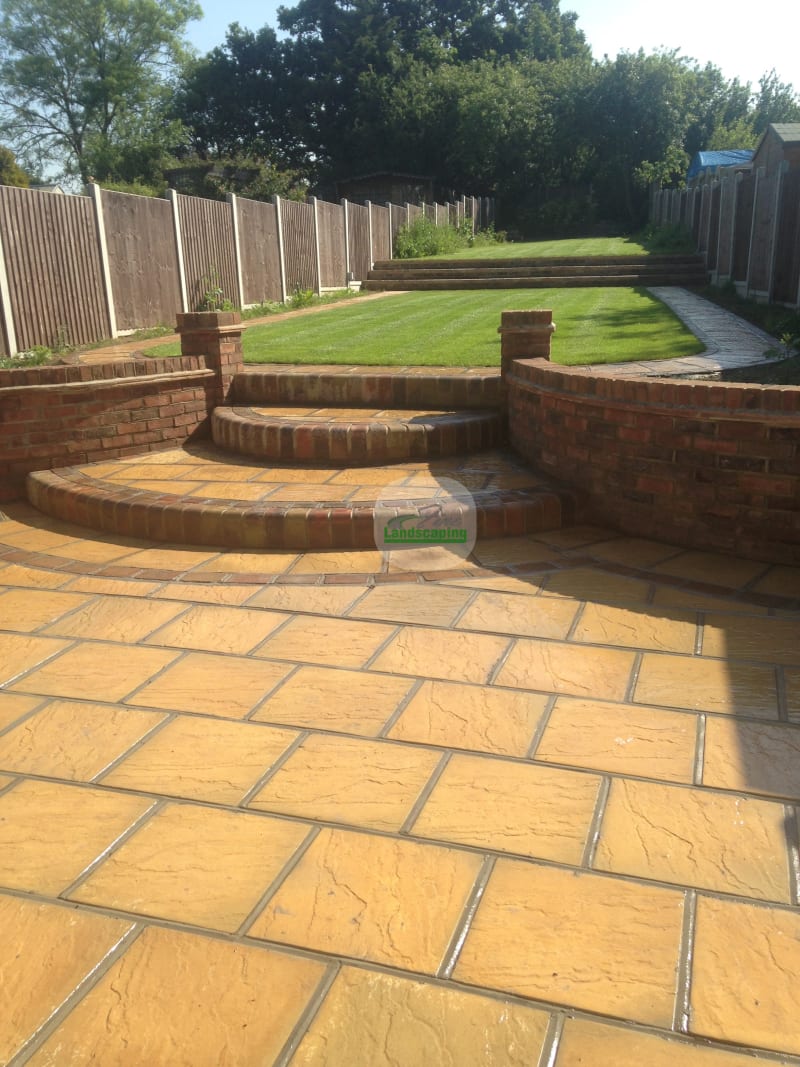
Balham's characteristic Victorian terraces along Ramsden Road, Boundaries Road, and Bedford Hill come with wonderfully long rear gardens—typically 15-25 metres deep—but their narrow width and mature London plane tree canopy create unique design challenges. As June arrives and summer entertaining season begins, SW12 homeowners are discovering how clever compact garden design can transform these distinctive spaces into outdoor living areas that work beautifully from spring through autumn.
We've completed dozens of Garden Design in Balham projects, and the key to success always lies in understanding what makes these gardens different from neighbouring areas like Clapham or Tooting.
Understanding Balham's Unique Garden Characteristics
Before diving into design ideas, it's essential to understand what you're working with. Balham gardens have three defining features that shape every successful design we create.
First, the long narrow proportions—often just 5-7 metres wide but stretching back 20 metres or more behind Victorian terraces. This creates a tunnel effect that demands careful zoning and clever use of perspective. Second, the mature London plane trees along many streets cast dappled shade across much of the garden, particularly in mid to late afternoon when you'd most want to be outdoors. Third, the London clay soil over gravel means drainage can be challenging, especially where basement conversions have altered natural water flow patterns.
The moderately acidic soil actually works in your favour for many beautiful shade-tolerant plants, but subsidence risk near large trees means hardscaping decisions need careful consideration. We always assess tree proximity before recommending patio or decking installations.
Creating Zones in Long Narrow Balham Gardens
The single most effective technique for compact garden design in SW12 is creating distinct zones that give the illusion of separate garden rooms. This breaks up the tunnel effect and makes the space feel wider and more interesting.
We typically recommend dividing Balham's long gardens into three zones: an entertaining area closest to the house (usually 5-6 metres deep), a middle garden with planting and perhaps a focal feature, and a hidden retreat at the far end. Each zone should have a slightly different character and purpose.
The Entertaining Zone
For summer entertaining, the area immediately outside your French doors or kitchen extension is prime real estate. Most SW12 homeowners want this hardscaped for easy furniture placement and low maintenance. We completed a rear garden redesign on Ramsden Road last year featuring a raised hardwood deck in this zone—elevated just enough to create a defined space while improving drainage on the challenging clay soil beneath.
Consider these options for your entertaining zone:
- Porcelain paving: Incredibly popular in Balham right now, offering a sleek contemporary look that reflects limited light beautifully
- Hardwood decking: Creates warmth and works brilliantly for properties with basement conversions where ground levels have been altered
- York stone or reclaimed flags: Perfect for period properties, especially within conservation areas where maintaining character is important
- Composite decking: Low maintenance and excellent for shaded areas where timber might become slippery
The Middle Garden
This transitional zone, typically 8-12 metres from the house, is where planting truly shines. In the mature tree-lined streets around Bedford Hill Park and along Balham High Road, this middle section often receives the most dappled shade.
We design this area with curving borders that visually widen the space, drawing the eye across rather than just down the length. The moderately acidic soil supports gorgeous shade-lovers: Japanese anemones, hostas, ferns, astilbes, and hydrangeas all thrive here. Architectural evergreens like fatsia japonica and sarcococca provide winter structure.
A focal feature in this zone—perhaps a water feature, specimen tree, or striking sculpture—gives visitors a reason to explore beyond the patio. We often include a secondary seating area here, perhaps a simple bench tucked among planting, which catches any late afternoon sun that filters through the plane tree canopy.
The Secret Garden at the End
Don't waste the far end of your Balham garden. This often-neglected space becomes magical when treated as a destination. A small studio space, children's play area, or secluded seating nook completely transforms how you use the entire garden.
For properties backing onto other Victorian terraces (as most do), this end zone offers the most privacy. Climbing plants on the Victorian boundary walls—which often need repointing anyway—soften the enclosure beautifully. We frequently recommend star jasmine, climbing hydrangea, or clematis varieties that tolerate shade.
Solving Balham's Common Garden Challenges
Every area has its quirks, and Balham's gardens present three recurring challenges that we've learned to turn into design opportunities.
Limited Light from Mature Trees
The London plane trees along so many SW12 streets are magnificent, but they do limit plant choices and can make gardens feel gloomy. Rather than fighting this, embrace it. Shade gardens can be incredibly lush and atmospheric—perfect for creating that secret garden feeling.
Lighting becomes crucial. We incorporated concealed LED lighting throughout our Ramsden Road project, transforming a dim space into an enchanting evening garden. Uplighting the boundary walls, pathway lighting, and subtle spotlights on key plants make the garden usable and beautiful long after sunset—essential for summer entertaining when friends linger outdoors until 10pm in June and July.
For more detailed advice on plant selection for shaded Balham gardens, see our complete guide for South London.
Victorian Boundary Walls
Those characterful old brick walls are wonderful, but many are leaning, crumbling, or suffering from failed mortar. In conservation areas like Bedford Hill, you'll want to retain and restore them properly rather than replace them—and honestly, restored Victorian walls add tremendous character.
We often integrate wall repair into broader Garden Design services, repointing with lime mortar (appropriate for the period) and adding coping stones for weather protection. The walls then become features in themselves—a backdrop for climbing plants, or painted in fashionable dark shades that make planting pop.
Drainage and Clay Soil
London clay is notoriously challenging, and basement conversions across Balham have disrupted natural drainage patterns in many terrace blocks. Water now flows differently, often pooling where it never did before.
We never skip proper drainage assessment. For hardscaping, this means adequate falls (minimum 1:80) directing water away from properties, and considering permeable options where appropriate. For planting areas, adding organic matter and grit improves the clay structure, and incorporating drainage solutions like French drains prevents waterlogging.
Raised beds can be brilliant in Balham gardens—they improve drainage naturally, warm up faster in spring, and add valuable height variation in flat gardens. They're particularly effective in the middle zone, creating structure and solving drainage problems simultaneously.
Design Styles That Work in Balham
SW12 homeowners have diverse tastes, but certain garden styles consistently work beautifully with the area's architectural character and growing conditions.
| Style | Best For | Key Elements | Typical Cost (20m garden) |
|---|---|---|---|
| Contemporary Minimalist | Professional couples, modern interiors | Porcelain paving, architectural planting, clean lines | £15,000-£25,000 |
| Urban Jungle | Plant lovers, bohemian interiors | Lush shade planting, mixed textures, informal paths | £8,000-£15,000 |
| Period Sympathetic | Conservation areas, character properties | York stone, box hedging, traditional perennials | £12,000-£20,000 |
| Family Practical | Young families, busy households | Artificial grass, durable surfaces, play zones | £10,000-£18,000 |
The contemporary minimalist approach has been particularly popular around Hildreth Street Market and the younger demographic near Balham Station. It works brilliantly with the clean lines of renovated Victorian interiors and requires relatively little maintenance once established—perfect for busy professionals who want to enjoy their garden rather than spend weekends maintaining it.
Making the Most of Summer in Your Balham Garden
With summer entertaining season in full swing this June, certain design elements will maximize enjoyment of your outdoor space right now.
Built-in seating solves the furniture storage problem that plagues narrow gardens. We're installing more benches with integrated storage, and fixed seating that doubles as raised bed edges. This keeps the garden feeling spacious while accommodating guests.
Outdoor kitchens or prep areas are increasingly popular in Balham. Even a simple built-in BBQ station with worktop space transforms how you entertain. Properties with wide side returns are perfect for this—keeping cooking smells and mess away from the main seating area.
Shade structures might seem odd to recommend in gardens already shaded by plane trees, but creating defined overhead structure over your patio makes the space feel intentional and room-like. Pergolas clothed in climbing plants like wisteria or grape vines create dappled shade that's far more controlled than tree shadow.
We always recommend considering your garden as an extension of your home's living space, not a separate entity. The transition from inside to outside should flow seamlessly, with consistent materials and style creating one unified space.
Planning Considerations for Balham Homeowners
Before getting too attached to ambitious plans, understand what requires permission in SW12. The London Borough of Wandsworth is generally reasonable, but conservation area rules apply across significant portions of Balham.
Within the Bedford Hill Conservation Area and Heaver Estate Conservation Area, planning permission is required for front garden hard surfacing over 5 square metres, removing or significantly pruning protected trees, and alterations to boundary walls visible from the street. Rear gardens have more flexibility, but large structures like garden rooms need approval.
Tree Preservation Orders (TPOs) protect many mature trees, including some of those plane trees casting shade across your garden. Before undertaking significant work near large trees, check the council's TPO map and consider getting tree surgery advice—both for legal compliance and to protect your property from subsidence risk.
For permitted development work, you still have options. Most paving, planting, and standard garden features don't require permission. When in doubt, the council's planning department is helpful—far better to ask first than apologize later.
Common Mistakes to Avoid
After years of working on Balham gardens, we see the same mistakes repeatedly. Here's what to avoid:
- Fighting the shade: Trying to grow sun-loving plants under plane trees wastes money and creates frustration. Embrace shade-tolerant species that will thrive.
- Ignoring drainage: Pretty paving over poorly drained clay creates expensive problems. Sort the foundation first.
- Straight lines down narrow gardens: This emphasizes the tunnel effect. Curves and diagonal lines make spaces feel wider.
- Neglecting lighting: Gardens without lighting sit unused on summer evenings. LED systems are affordable and transformative.
- Overcrowding: Trying to fit too much into a compact space creates visual chaos. Edit ruthlessly.
- Forgetting maintenance access: Leave pathways to reach the garden's far end, especially for properties with side entrances.
- Cheap boundary solutions: Those panel fences look poor next to Victorian architecture and deteriorate quickly. Invest in quality.
Working with Professional Designers
While DIY garden improvements have their place, Balham's unique challenges—conservation area rules, clay soil, challenging proportions, and mature trees—mean professional design input usually pays for itself. We've rescued numerous half-finished projects where homeowners underestimated the complexity.
A professional designer understands how to maximize limited space, select plants that will actually thrive in your specific conditions, and navigate planning requirements. We also have relationships with the London Borough of Wandsworth planning department and know which battles are worth fighting.
Most importantly, we understand how drainage, construction quality, and proper preparation prevent expensive failures down the line. That beautiful patio cracking after one winter because groundwork was inadequate? It's heartbreaking and avoidable.
Ready to Transform Your Balham Garden?
We'd love to discuss your compact garden's potential. From initial design through to the final planting, we handle everything—and we understand SW12 gardens inside and out.
Get Free QuoteFrequently Asked Questions
How much does a complete garden redesign cost in Balham?
For a typical 15-20 metre Balham garden, complete redesigns range from £12,000 to £30,000 depending on complexity. This includes design, quality hardscaping like porcelain paving or decking, new planting, lighting, and addressing drainage issues. Properties requiring boundary wall repairs or working within conservation areas typically sit at the higher end. A consultation will provide accurate pricing based on your specific garden and requirements.
What plants grow well in shaded Balham gardens under plane trees?
Balham's moderately acidic clay soil and dappled shade suit many beautiful plants. Top performers include Japanese anemones, hostas (stunning leaf variety), ferns (especially shuttlecock and autumn ferns), hydrangeas, hellebores, pulmonaria, and astilbes. For structure, try fatsia japonica, sarcococca, and bamboos. Climbing hydrangea and star jasmine work brilliantly on those Victorian boundary walls. These plants thrive in SW12 conditions rather than merely surviving.
Do I need planning permission for garden changes in Balham conservation areas?
Within the Bedford Hill and Heaver Estate Conservation Areas, front garden hard surfacing over 5m² requires permission, as do alterations to walls visible from the street and work affecting protected trees. Rear gardens have more flexibility—most paving, planting, and standard landscaping don't need approval. However, large structures like garden rooms typically require planning permission. Check with Wandsworth Council before starting work, as rules vary by specific location and property type.
How long does a garden redesign project typically take in Balham?
Design and planning typically take 2-4 weeks, followed by 2-4 weeks for construction depending on project scope. Balham's narrow garden access can extend timelines slightly, as materials must often be brought through properties rather than via side access. Projects requiring planning permission add 8-12 weeks for council approval before work begins. We schedule most major projects during drier months (April to October) to avoid complications with London clay in wet conditions.
How can I make my narrow Balham garden feel wider?
Use diagonal or curved lines rather than straight paths down the length—this draws the eye across the space. Create distinct zones with different characters so it doesn't feel like one long corridor. Use lighter paving materials to reflect limited light. Plant in curving borders rather than straight lines along boundaries. Strategic lighting at night completely changes spatial perception. Avoid tall fencing or planting that emphasizes the tunnel effect—keep boundaries lower or use climbing plants to soften them instead.