
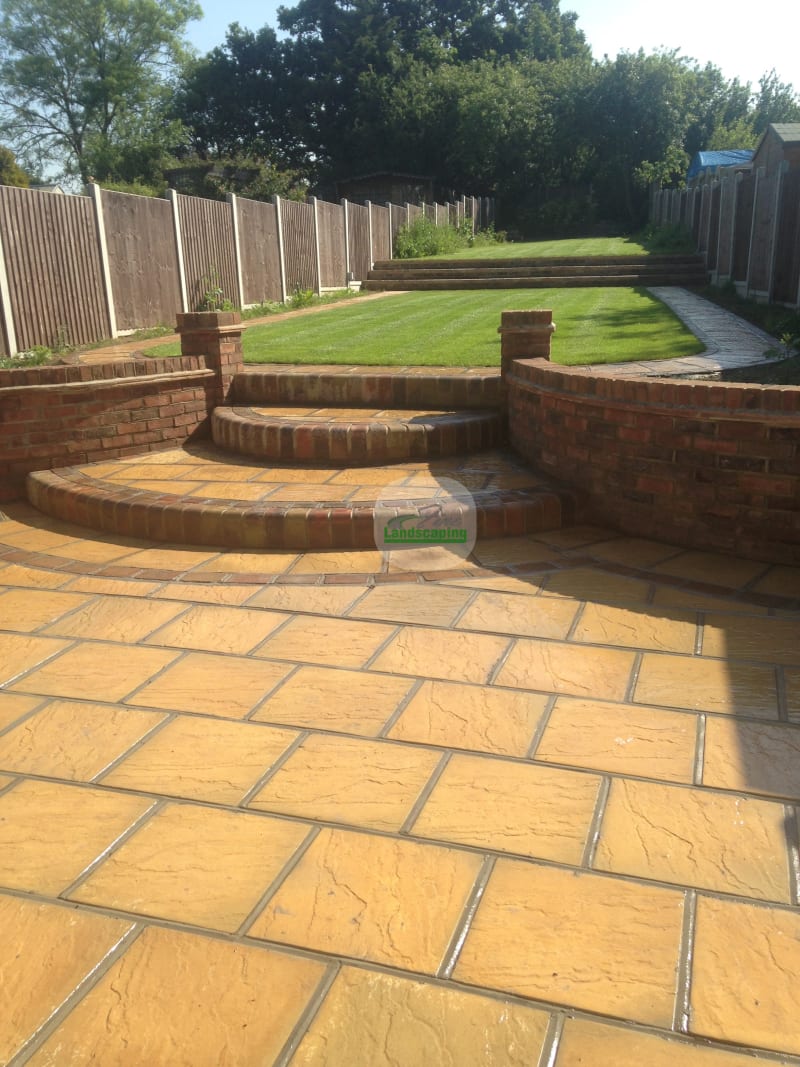
If you own one of the characterful Victorian terraced houses along Bedford Hill or Ramsden Road, you'll know that Balham gardens come with their own unique challenges. These long, narrow plots—typically 15-25 metres deep—offer brilliant potential, but the mature London plane tree canopy and heavy London clay soil require thoughtful design approaches.
With summer entertaining season in full swing this June, many SW12 homeowners are looking to maximise their outdoor spaces. Whether you're working with a rear garden behind a Victorian terrace or a smaller plot attached to a converted Edwardian mansion flat, smart design can transform even the most challenging compact space into a stunning outdoor room.
Understanding Balham's Garden Characteristics
Balham gardens are distinctly different from those in neighbouring Clapham or Tooting. The high concentration of mature London plane trees—particularly along Boundaries Road and around Bedford Hill Park—creates dappled shade that shifts throughout the day. This affects both plant selection and how you'll use different zones in your garden.
The soil here is classic London clay over gravel, moderately acidic and prone to becoming waterlogged in winter then cracking in summer. Many basement conversions across Balham have disrupted traditional drainage patterns, meaning water management needs careful consideration in any garden redesign.
Maximising Space in Long Narrow Gardens
The typical Balham garden behind Victorian terraces is long and narrow—often just 4-6 metres wide but stretching back 20 metres or more. This ribbon-like shape can feel corridor-like if not designed carefully.
Create Distinct Zones
Breaking your garden into three or four distinct areas prevents that tunnel effect. We recently completed a Garden Design in Balham project on Ramsden Road that demonstrates this perfectly: a raised hardwood deck for dining nearest the house, a central lawn area for relaxation, and a shade-tolerant planted area at the far end with concealed LED lighting for evening ambience.
Use level changes, screening, and varied materials to signal transitions between zones. Even a subtle 150mm step between areas creates psychological separation that makes each space feel distinct and purposeful.
Strategic Screening and Divisions
In compact gardens, solid divisions feel oppressive. Instead, use:
- Contemporary slatted screens in cedar or composite materials that provide privacy without blocking light
- Trained climbers on horizontal wires creating living green walls that take up minimal ground space
- Tall ornamental grasses in raised planters that move with the breeze and soften boundaries
- Strategically placed trees like multi-stem birch that provide height without excessive shade
Dealing with Shade from Mature Trees
This is perhaps the most common challenge we encounter in SW12. Those magnificent plane trees that line Balham High Road and the surrounding streets create wonderful character but significantly limit what you can grow.
Rather than fighting the shade, design with it. Shade gardens can be lush, sophisticated spaces when you choose the right plants. For London clay in shade, these performers work brilliantly:
| Plant Type | Best Varieties | Key Benefits |
|---|---|---|
| Ferns | Dryopteris, Polystichum | Architectural structure, year-round interest |
| Hostas | Large-leaved varieties | Bold foliage, excellent ground cover |
| Hydrangeas | H. serrata, H. quercifolia | Long flowering season, clay-tolerant |
| Heuchera | Dark-leaved cultivars | Evergreen colour, compact habit |
We always recommend improving the soil heavily in shaded areas beneath trees. Incorporate plenty of organic matter and consider raised beds to avoid damaging tree roots while giving your plants better growing conditions.
Surface Materials for Compact Gardens
Your choice of hard landscaping dramatically affects how spacious a compact garden feels. The right materials make smaller gardens appear larger and more cohesive.
Decking for Narrow Spaces
For SW12 gardens, decking offers several advantages. Hardwood or composite boards laid perpendicular to the house create visual lines that draw the eye outward, making gardens feel wider. Raised decking also solves drainage issues common with basement conversions without requiring extensive groundwork.
Paving and Patio Solutions
Large-format porcelain pavers (900x600mm or larger) create a contemporary look with fewer joint lines, making spaces feel more expansive. For period properties around Du Cane Court or Bedford Hill, reclaimed York stone or Indian sandstone maintains character while providing durable surfaces.
Consider permeable options to address drainage concerns. London Borough of Wandsworth encourages sustainable drainage, and permeable patios help manage water runoff on that heavy clay soil.
Addressing Victorian Boundary Wall Issues
Many Balham gardens have original Victorian brick boundary walls—beautiful features when in good condition, but frequently in need of attention. Subsidence risk near large trees on clay soil often causes cracking and leaning.
Before investing in garden design, address structural issues with garden walls. Repointing or rebuilding walls isn't glamorous, but it's essential groundwork. We often encounter properties where previous owners have worked around deteriorating walls rather than fixing them, creating awkward design compromises.
Summer Entertaining Features for 2026
This June, our Balham clients are focused on creating outdoor spaces perfect for entertaining. Compact gardens can absolutely accommodate social spaces with smart planning.
Outdoor Kitchens and Bars
Built-in BBQ stations, outdoor sinks, and storage don't require massive gardens. A well-designed 2.5-metre run along one boundary provides everything needed for outdoor cooking without dominating the space. Use the same materials as your main patio to maintain visual continuity.
Lighting for Atmosphere
LED lighting transforms compact gardens after dark. Our Ramsden Road project featured concealed strip lighting beneath deck edges, uplighters highlighting the shade-tolerant planting, and festoon lights creating a canopy effect. Good lighting makes gardens feel larger by revealing depth and creating focal points.
Heating Solutions
Wall-mounted infrared heaters or a sleek gas fire pit extend the entertaining season. In narrow gardens, wall-mounted options save precious floor space while providing effective warmth during cooler evenings.
Common Mistakes to Avoid
Over two decades working on gardens across SW12, we've seen these mistakes repeatedly:
- Over-planting: In compact gardens, less truly is more. Leave breathing space between plants and around features.
- Too many different materials: Limit yourself to three complementary materials maximum. More creates visual chaos in small spaces.
- Ignoring drainage: London clay and basement conversions demand proper drainage. Water pooling ruins lawns, damages paving, and creates muddy messes.
- Fighting the shade: Accept the light levels you have and plant accordingly. Sun-loving plants will struggle under plane trees regardless of how much you want them.
- Neglecting access: Consider how materials and plants will reach the back garden through a typical Victorian terrace. Side access is often limited.
Planning Your Balham Garden Transformation
Start by assessing what you have. Walk your garden at different times of day to understand light patterns. Note problem areas—poor drainage, failing walls, dead zones where nothing grows.
For properties near Hildreth Street Market or along Balham High Road, consider street noise when positioning seating areas. Often the far end of long gardens offers more tranquility.
Wandsworth Council's planning portal provides information about conservation area requirements. If you're in the Bedford Hill or Heaver Estate Conservation Areas, check requirements before finalizing front garden plans.
Our approach involves listening to how you want to use your space, assessing site conditions, then creating designs that work with Balham's specific challenges rather than against them. The result is gardens that look stunning, function brilliantly, and thrive in local conditions.
Whether you're on a quiet residential street or closer to the bustle of Balham Station, your garden can become a genuine outdoor room that adds value and enjoyment to your home. For more inspiration and technical details, see our complete guide for South London.
Ready to Transform Your Balham Garden?
Our experienced team specializes in compact garden designs that work with SW12's unique conditions—from shade-tolerant planting to drainage solutions for London clay. We're based locally in Norbury and know Balham gardens inside out.
Get Free QuoteFrequently Asked Questions
How much does a complete garden redesign cost in Balham?
A full garden transformation for a typical 60-80m² Balham rear garden ranges from £12,000 to £25,000 depending on materials and features. This includes design, groundwork, hard landscaping (paving or decking), planting, and lighting. Simpler refreshes focusing on one or two zones start from £5,000-£8,000. The investment adds significant value to Victorian and Edwardian properties in SW12.
What plants grow well in shaded Balham gardens under plane trees?
For the shade and London clay conditions common in SW12, choose ferns (Dryopteris, Polystichum), shade-tolerant hydrangeas, hostas, heuchera, Japanese anemones, and Geranium macrorrhizum. Shrubs like Sarcococca, Mahonia, and Viburnum davidii also perform well. We always improve soil with organic matter before planting beneath mature trees, as tree roots compete heavily for nutrients and moisture.
Do I need planning permission to redesign my Balham garden?
Rear gardens generally don't require planning permission for landscaping, paving, or planting changes. However, if your property is in the Bedford Hill or Heaver Estate Conservation Areas, front garden alterations including removing walls, changing paving, or altering boundaries require permission from Wandsworth Council. Garden rooms or structures over 2.5m high may also need approval regardless of location.
How long does a typical garden renovation take in SW12?
A complete garden redesign typically takes 3-4 weeks for a standard Balham garden once work begins. This includes groundwork, drainage improvements, installing hard landscaping, and planting. Design and planning adds 2-3 weeks beforehand. Access limitations through Victorian terraces can extend timelines slightly. Smaller projects like new decking or patio areas usually complete within 1-2 weeks.
How do I fix drainage problems in my Balham garden?
London clay soil and basement conversions create drainage challenges across SW12. Solutions include installing French drains to redirect water, creating soakaways, improving soil structure with organic matter and grit, or using raised beds and decking to lift surfaces above problem areas. We assess drainage patterns during site surveys and incorporate drainage solutions into all garden designs to prevent waterlogging and subsidence issues near trees.