
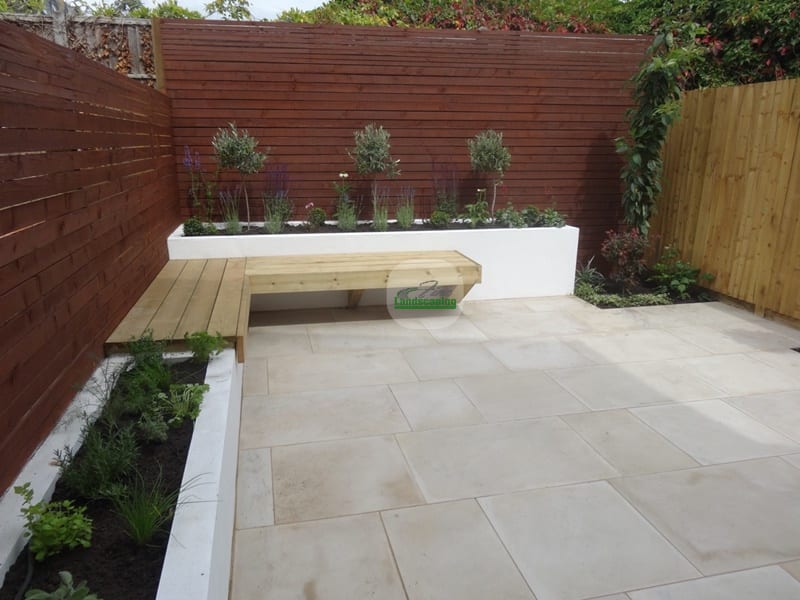
If you're planning a new patio for your South London or Surrey garden, timing matters more than you might think. We've laid hundreds of patios across Norbury, Croydon, Bromley, and beyond, and the season you choose affects everything from material costs to how quickly you can use your finished space.
Here's what most homeowners don't realise: whilst spring and early summer are peak season for good reasons, the "best" time depends on your specific project, budget, and how soon you need it done. Let's break down exactly when to schedule your patio installation and why.
Why Timing Matters for Patio Installation
Laying a patio isn't just about dropping slabs on soil. The ground needs to be workable, materials need to set properly, and weather conditions directly affect the quality of your finished patio.
Temperature affects mortar curing, cement setting, and jointing compound performance. Too cold and materials won't cure properly. Too hot and they'll dry too fast, potentially cracking. Ground moisture levels matter enormously — waterlogged winter soil makes proper excavation and compaction nearly impossible.
There's also the practical side. Installing a patio means your garden becomes a building site for 3-10 days depending on size. Spring installation means you'll enjoy it all summer. Autumn installation means waiting months before you'll actually use it.
Month-by-Month Patio Planning Calendar
January - February: Planning Phase
Not recommended for installation. Ground is often frozen or waterlogged, and mortar won't cure properly below 3°C. However, this is perfect timing for planning and design.
- Research designs and gather quotes (tradespeople are less busy, so response times are faster)
- Finalise your design and choose materials
- Book your preferred installer for March-April start
- Order any bespoke materials that need lead time
We often see homeowners in Beckenham and Purley using winter months to plan complete garden redesigns that include patios as part of a larger project.
March - April: Prime Installation Season Begins
Excellent for installation. Ground starts drying out, temperatures are mild (8-14°C), and you'll have your patio ready for summer entertaining.
This is when we're currently working (April 2026), and conditions in South London are ideal. The ground has warmed enough for proper compaction, but it's not yet peak season pricing.
We always recommend getting your patio laid by early May if possible. You'll beat the June rush, often save 10-15% on labour costs, and have it ready for the first warm weekends.
May - June: Peak Season
Great conditions, but expect higher costs. Weather is reliable, ground conditions are perfect, and everyone wants their patio done now.
- Longest daylight hours mean installers can work later
- Warm temperatures ensure perfect curing
- Minimal rain delays in most years
- Prices typically 15-20% higher than off-peak
- Booking lead times extend to 4-8 weeks with popular contractors
July - August: Summer Installation
Possible but not always ideal. Whilst weather seems perfect, extreme heat can cause problems. Mortar and cement can dry too quickly in temperatures above 25°C, potentially affecting strength.
We often work early mornings during heatwaves, covering fresh work with damp sheets to slow curing. It's doable, but adds complexity.
September - October: Autumn Sweet Spot
Excellent for installation, better for budget. This is our second-favourite season for patio work. Ground is still warm and dry from summer, temperatures are mild, and prices start dropping.
- Labour costs typically 10-15% lower than peak summer
- Material suppliers often run autumn promotions
- Contractors have better availability
- Ground conditions remain good until late October
November - December: Off-Season
Generally not recommended. Short days, cold temperatures, and unpredictable weather make installation risky. Mortar won't cure properly, and ground can be waterlogged.
Exception: If you need groundwork and drainage sorted before a spring patio installation, winter preparation work can make sense.
Detailed Installation Guide: What Actually Happens
Understanding the process helps you appreciate why weather and timing matter so much.
Stage 1: Excavation and Preparation (Days 1-2)
We excavate to typically 200-250mm depth for a standard patio. In South London's clay soil, this is harder work in winter when ground is waterlogged or frozen solid. Spring and autumn offer the best excavation conditions.
Excavated material needs to go somewhere — this is easier when ground isn't muddy. We often coordinate with garden clearance or use spoil for levelling other garden areas.
Stage 2: Sub-Base Installation (Days 2-3)
We lay and compact hardcore (MOT Type 1) in 50mm layers. Each layer must be properly compacted, which requires relatively dry conditions. Wet weather during this phase can delay projects by days.
This is the foundation everything depends on. Rush it or do it in poor conditions, and you'll have a sinking patio within two years.
Stage 3: Laying Slabs (Days 3-5)
Slabs are laid on mortar beds. The mortar needs to cure at temperatures between 3°C and 25°C ideally. Too cold and it won't set. Too hot and it sets too fast, making adjustment difficult.
Rain within 24 hours of laying can wash out mortar, particularly from joints. This is why we check detailed weather forecasts before starting and sometimes cover fresh work overnight.
Stage 4: Pointing and Finishing (Days 5-7)
Jointing compound or mortar fills gaps between slabs. This absolutely must cure without rain for 24-48 hours. Spring and autumn typically offer the most stable weather windows in the South-East.
Projects to Start Now (April 2026) vs Plan for Later
Perfect for Immediate Start
Standard patio installations: Natural stone, porcelain, or concrete slabs on a mortar bed. Current conditions are ideal, and you'll have it ready for summer.
Patio extensions: Adding to an existing patio works brilliantly now. Ground is workable, and you can minimise disruption to your existing outdoor space.
Complete garden makeovers: If you're combining your patio with artificial grass, fencing, or garden walls, starting in April means everything's finished by June.
Projects to Plan for Autumn
Large complex patios (50m²+): If you're not in a rush, waiting until September can save £800-1,500 on a large project. Book in May for September installation.
Multi-level patios with extensive groundwork: These take 2-3 weeks. Starting in late August/early September means better weather stability than risking July thunderstorms.
Plan for Next Spring (2027)
Patios requiring significant drainage work: If your garden has serious drainage issues, sort these over winter, then install the patio in spring when ground has stabilised.
Budget-conscious projects: Planning a full year ahead lets you save properly and potentially catch January sales on materials.
London and South-East Weather Considerations
South London has a microclimate slightly warmer than surrounding areas. Norbury, Streatham, and Croydon often stay 1-2°C warmer than Surrey suburbs due to urban heat.
Annual rainfall in our area averages 600-650mm, with October-January being wettest. We see increasing summer thunderstorms — July and August now bring sudden deluges that can halt work for days.
Spring (March-May) typically offers the best weather windows: 8-10 dry days in a row are common. Autumn (September-October) is second-best with 6-8 day windows. Summer is surprisingly variable — we see week-long sunny spells interrupted by thunderstorms.
Winter working is possible during dry cold snaps, but it's risky. One unexpected frost can ruin freshly laid mortar.
Cost Differences: Peak vs Off-Peak
Timing your patio installation strategically can save serious money. Here's what we typically see across South London and Surrey:
| Season | Labour Cost (per m²) | Availability | Lead Time |
|---|---|---|---|
| Jan-Feb | £45-55 | Excellent | 1-2 weeks |
| Mar-Apr | £50-60 | Good | 2-3 weeks |
| May-Jun | £60-70 | Limited | 4-8 weeks |
| Jul-Aug | £60-70 | Limited | 4-6 weeks |
| Sep-Oct | £50-60 | Good | 2-4 weeks |
| Nov-Dec | £45-55 | Excellent | 1-2 weeks |
Material costs remain relatively stable year-round, though some suppliers run promotions in January-February and September-October to move stock.
Where you really save off-peak is labour. Quality contractors are busy year-round, but they'll often discount rates 10-15% in quieter months to keep teams working.
Planning Timeline for Summer-Ready Patios
Want your patio perfect for summer 2026 BBQs? Here's your timeline working backwards from June:
12 weeks before (Early April — Now):
- Finalise design and choose materials
- Get 3-4 detailed quotes from reputable installers
- Check reviews specifically for patio services in your area
- Confirm drainage is adequate or plan improvements
10 weeks before (Mid-April):
- Book your chosen contractor
- Order materials (especially if choosing natural stone which may need quarrying)
- Arrange any necessary permits (rare for patios, but required for some drainage work)
8 weeks before (Early May):
- Confirm installation dates
- Clear the area (we can help with garden clearance)
- Arrange access for machinery and materials delivery
6 weeks before (Mid-May):
- Installation week — plan to be available for questions
- Keep pets and children away from work area
- Expect some disruption to garden access
4-5 weeks before (Late May):
- Allow jointing to cure fully (typically 5-7 days)
- Avoid heavy furniture or use until fully cured
- Light foot traffic usually fine after 48 hours
June onwards: Enjoy your finished patio!
The biggest mistake we see is homeowners deciding they want a patio in May and expecting it done by June. In peak season, that's rarely possible with quality contractors. Plan ahead.
Making the Decision: When Should You Book?
If you're reading this in April 2026, you're perfectly timed for a late spring installation. Ground conditions across Norbury, Beckenham, Penge, and Sydenham are excellent right now. We can typically start within 2-3 weeks, and you'll have a finished patio by mid-May.
The sweet spot is booking now for installation in the next 4-6 weeks. You'll avoid peak pricing, enjoy stable weather, and have your outdoor space ready for summer.
Alternatively, if budget is tight or you're not in a rush, booking now for September installation locks in a good rate and guarantees availability when contractors are less pressured.
Whatever you decide, don't leave it until you want to use the patio. A quality installation takes proper planning, and rushing leads to compromised results.
Ready to Get Started on Your Patio?
We're currently booking patio installations across South London and Surrey for late April through to June. Spring conditions are perfect right now, and we have limited slots available before peak summer season.
Get a Free Quote or call us to discuss your project and find the perfect timing for your new patio.
Frequently Asked Questions
What is the cheapest time of year to lay a patio?
September through October offers the best combination of lower costs and good working conditions. Labour rates are typically 10-15% cheaper than peak summer (May-June), you'll get better contractor availability, and ground conditions remain excellent. January-February can be slightly cheaper still, but weather risks often outweigh the savings. For most homeowners in South London and Surrey, early autumn provides the best value without compromising quality.
How long does a patio take to install?
A standard 15-25m² patio typically takes 5-7 working days from excavation to completion. Larger patios (40m²+) or complex multi-level designs can take 10-14 days. Weather significantly affects timing — rain can add 2-3 days to a project if we need to wait for ground to dry or protect fresh mortar. You'll need to wait an additional 5-7 days after completion before placing heavy furniture to allow jointing compound to cure fully.
Can you lay a patio in winter in the UK?
It's possible during dry, mild spells, but generally not recommended. Mortar and cement won't cure properly below 3°C, and frost within 48 hours of laying can cause serious damage. Winter ground is often waterlogged or frozen, making proper excavation and compaction difficult. If you must install in winter, choose a period with forecasted dry weather and temperatures above 5°C for at least 5 days. Most professional installers in South London avoid December-February work entirely due to quality concerns.
What's better: laying a patio in spring or autumn?
Both are excellent, but for different reasons. Spring (March-May) means your patio is ready for immediate summer use, though you'll pay peak-season rates by late spring. Autumn (September-October) offers lower costs, less rushed contractors, and ground that's warm and dry from summer — but you won't use the patio much until next year. For purely technical quality, autumn is marginally better as ground is more stable. For lifestyle enjoyment, spring wins. We typically recommend April installation as the sweet spot: good conditions, reasonable pricing, and summer-ready results.
How much does a 20m² patio cost in South London?
A 20m² patio in South London typically costs £2,000-£4,500 depending on materials and timing. Budget concrete slabs with basic installation run £2,000-2,500. Mid-range Indian sandstone or quality porcelain costs £2,800-3,500. Premium natural stone with decorative borders reaches £3,500-4,500. These prices include excavation, sub-base, installation, and pointing. Costs are 10-20% higher in peak season (May-June) versus off-peak (September-October). Additional costs may include drainage improvements (£300-800), existing patio removal (£400-600), or difficult access premiums (10-15% extra).