
Those characteristic Wimbledon slopes making your garden unusable? Victorian terraces throughout SW19 weren't built with level gardens in mind, but modern engineering can transform that challenging gradient into functional outdoor space.
Response within 24 hours
Steep gardens plague countless properties between Wimbledon Village and Raynes Park, particularly where developers squeezed homes onto hillside plots. Engineering a proper retaining structure means reclaiming lost square footage whilst preventing that dreaded soil creep threatening your patio. Local clay conditions demand specific foundation techniques most contractors overlook.
Proper drainage behind any retaining structure prevents hydrostatic pressure - the silent destroyer of DIY attempts across South Wimbledon. Weep holes, gravel backfill, and geotextile membranes work together, channeling groundwater away before it undermines your investment. Height restrictions under 1.2 metres avoid planning complications, though taller structures remain possible with structural calculations.
Twenty years tackling Wimbledon's unique topography teaches you which solutions actually last. Every project starts with honest soil analysis because SW20's variable ground conditions catch out template approaches.
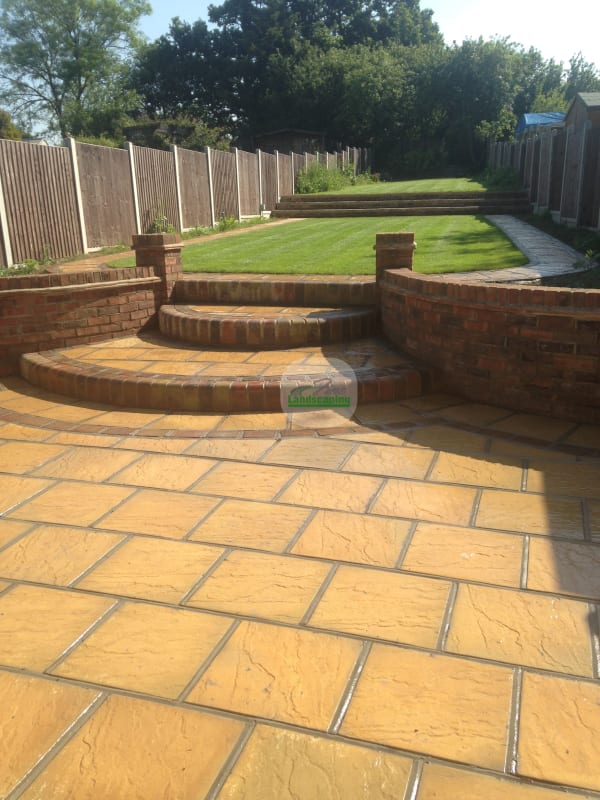
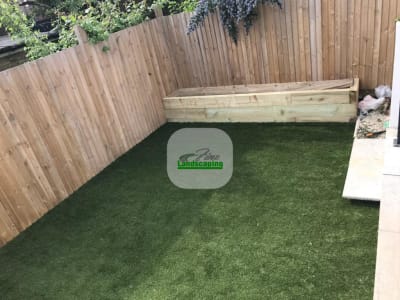
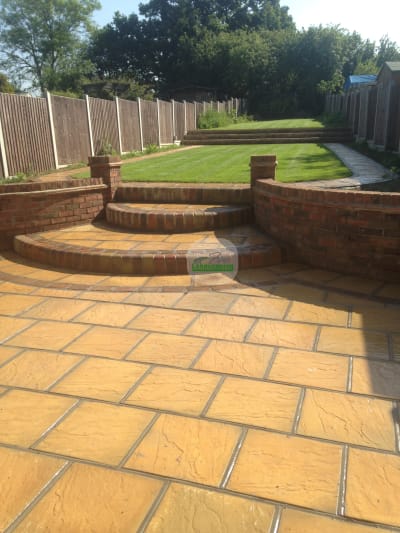
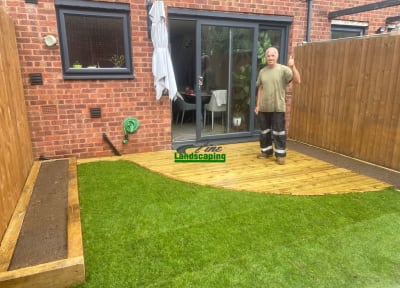
Rated 4.9/5 from over 280 verified reviews
Budget £180-350 per square metre depending on height and access. A standard 15-metre run at 1.2m height typically falls between £3,200-£6,300, though awkward rear access common in Victorian terraces can push costs higher.
Absolutely - from the grand houses near the Common to compact gardens in South Wimbledon. Regular work takes us through SW19 and SW20, including tricky access properties off Worple Road and the steep plots around Cottenham Park.
Most residential retaining walls take 8-12 working days from excavation to completion. Concrete block construction needs 48 hours minimum before backfilling, while natural stone faces require additional time for pointing to cure properly.
Each structural wall carries decade-long protection against movement or failure. This covers the entire system - foundations, drainage, and facing materials - because a chain's only as strong as its weakest link. Annual inspections help spot any issues before they escalate.
Definitely - integrated features maximize space efficiency. Built-in seating works brilliantly for entertaining areas, while incorporated planters soften hard landscaping. Steps can zigzag up retained slopes, creating journey interest whilst managing level changes practically.
Get your free, no-obligation quote today.